

This article will explain the use of push buttons, along with providing enough information to help users (purchasers) and their accompanying audience (enthusiasts) understand both how to utilise push buttons effectively and purchase them.
The Basics of a Small Push Button
A small push button is an electro-mechanical switch designed to complete or interrupt an electrical circuit. When pressed, the button against a spring mechanism closes the circuit, allowing electricity to flow and activating the connected device. This fundamental operation is integral to countless electronic gadgets, from toys and appliances to more complex machinery. In its most basic form, the small micro switch push button operates through direct physical interaction. Inside the button, a spring creates tension, and the pressing action compresses this spring, creating a path for the electricity. As you release the button, the spring returns to its original shape, hence breaking the circuit.
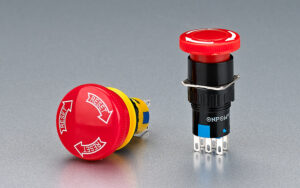
Types of Small Push Buttons
There are several types of small push button switches available in the market, each designed for different applications: 1. Momentary Push Buttons: These only stay active while being pressed. Commonly used in scenarios where temporary activation is required. 2. Latching Push Buttons: These remain in the “on” position until pressed again, activating a toggle effect. 3. Micro Switches: Typically used in smaller devices, they operate at very low power and can signal a wide range of devices. Understanding the type of button suitable for your project is crucial to achieving the desired functionality.
How Do Small Buttons Work?
When it comes to functionality, the working principle of a small button hinges on its mechanism. In simple terms, pressing the button drives a metal piece downward, bridging two contacts. This causes an electrical signal to travel along a circuit. When released, the tension from the spring pushes the metal piece back into place, restoring the circuit to its original state. In electronic devices, the specificity of button design can significantly influence how they function. For instance, in a small push button on off switch, the design ensures that the button remains in the “on” position until explicitly switched off, offering greater control over the device.
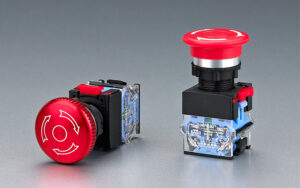
How to Button Tiny Buttons?
Manipulating tiny buttons can be challenging due to their size. Here are some tips to make the process easier: – Use tools: Tweezers or small, gripping tools can help you press buttons without misalignment. – Be delicate: Applying too much force could break the button or the surrounding circuit. – Practice: Familiarity with the button’s sensitivity can make it easier to activate without excess force.
Applications of Small Push Buttons
The practical applications of small push buttons are vast. They can be found in consumer electronics, automotive controls, access control systems, and industrial machinery. The diversity of their application speaks volumes about their importance in modern engineering and design. Furthermore, the rapid advancement in technology paves the way for innovative push button designs that enhance user experience, safety, and functionality.
A Button switch forms the connection with a person’s action and device’s output. Their roles in many types of electronics makes learning how Pushbuttons work invaluable for confidence in determining what Pushbuttons are the right ones for your do-it-yourself project as well as which Pushbuttons will best work together for specific applications.
When selecting and using Pushbuttons, you need to take into consideration both the pushbutton’s configuration and functions to ensure you’re getting maximum performance and user-friendliness.



