

Push button plastic thermal conductivity evidence should identify the exact material, measurement method, temperature, specimen and heat-flow direction. It can support a material comparison, but it does not predict the complete switch’s temperature rise or permissible operating temperature. For a control-panel purchase, connect the reported property to the relevant production component and the engineering question before using the number in a design calculation or supplier comparison.
A catalogue photograph cannot establish conductivity, polymer grade or filler content. The practical goal is a traceable material result with enough conditions to judge its relevance, followed by separate assessment of the installed electrical assembly.
Define the thermal question first
A buyer may request thermal data because a control sits near a warm enclosure surface, because an illuminated operator contains a heat source, or because a customer specification asks for material characterization. These situations do not necessarily need the same evidence. Write down the decision the material value is intended to support.
If the actual question is whether a switch can operate at a stated ambient temperature, request the applicable switch specification and assembly evidence. A conductivity value alone leaves electrical loading, heat generation, mounting and heat removal unresolved. Keeping the question explicit prevents a specialist material report from becoming a substitute for the relevant product rating.
Distinguish conductivity from diffusivity and heat capacity
Thermal conductivity concerns heat transport through a material under a temperature gradient. Thermal diffusivity describes how a temperature disturbance spreads in relation to thermal storage. Heat capacity concerns energy storage with temperature change. These quantities are related in suitable models, but they are not interchangeable column headings.
The BSI overview of ISO 22007-1 explains that different techniques suit different material types, states and forms. It does not turn either result into an assembled switch temperature rating. Read the exact property label and unit before comparing supplier values.
Keep conductivity in its reported units, commonly W/(m·K), and diffusivity in the units actually supplied. If a report supplies a derived property, retain the inputs and assumptions stated by the laboratory. Do not calculate missing values using a density or heat capacity borrowed from a different material grade.
Match the material report to the ordered component
Name the component being evaluated, such as the operator housing or insulating base. Request the controlled material grade, component drawing and relevant revision. A report on an unspecified “engineering plastic” is insufficient to establish the property of a particular production part.
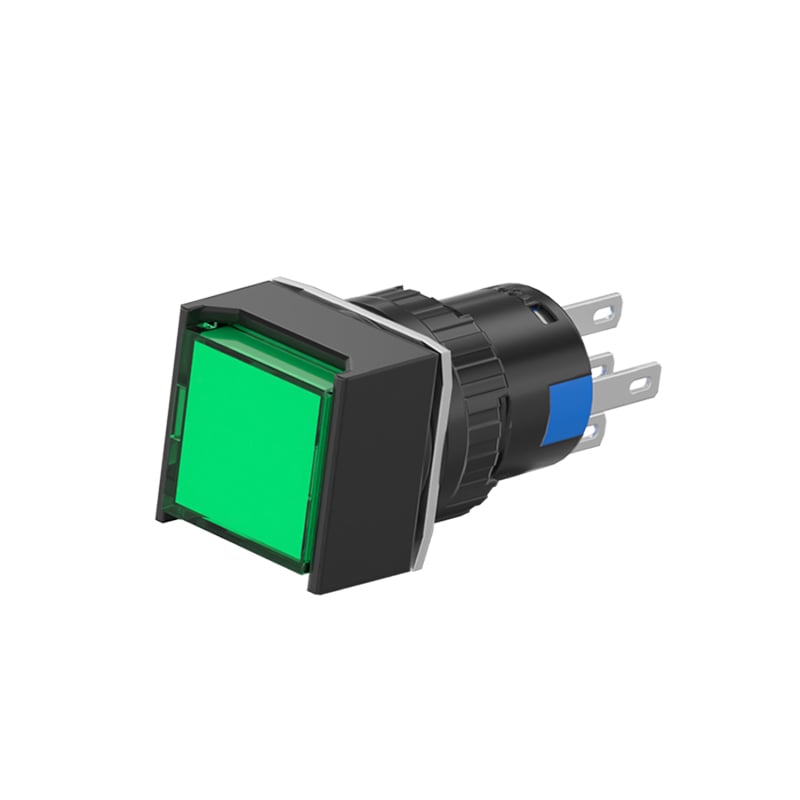
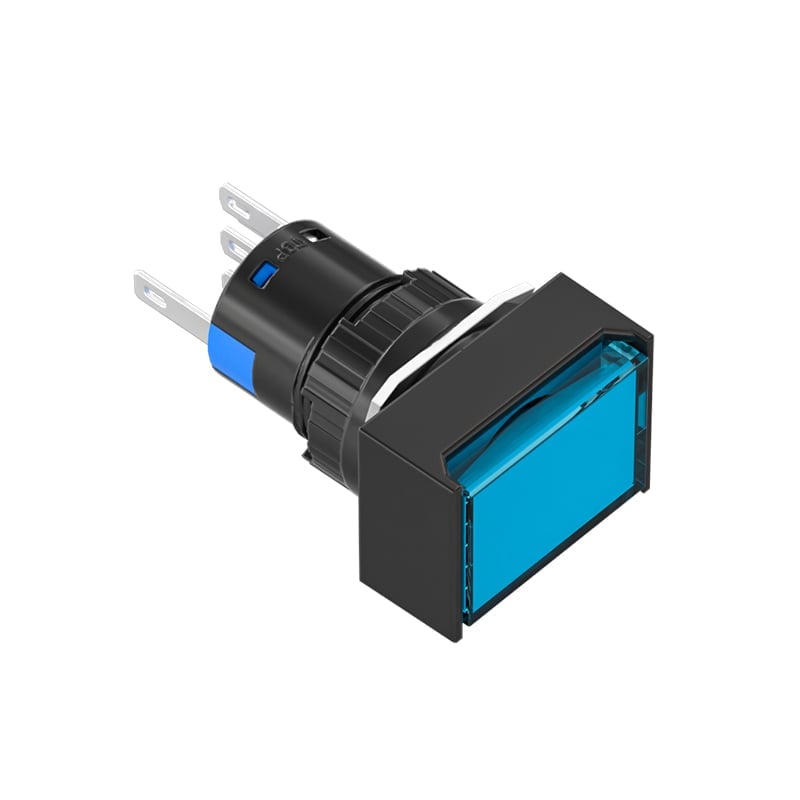
The LAS1-AF-11 product page is a real ONPOW catalogue reference that can anchor an enquiry. The product photographs here show visible construction. They do not identify a tested polymer formulation or establish a conductivity value. Ask the manufacturer which material evidence applies to the ordered version.
If several colours, material options or moulding arrangements are available, ask whether the report covers all of them. A documented applicability explanation may be useful; visual similarity is not an adequate substitute. Keep the relationship between specimen, material and production component visible in the purchasing file.
Check the chosen method and specimen arrangement
Different methods can measure different specimen forms and heat-flow directions. The BSI overview of the ISO 22007-3 method describes a temperature-wave approach for thermal diffusivity in thin films and plates. A result from that method should retain its own property and directional scope when compared with another submission.
For each report, ask which method was selected and why it suits the material and specimen. Record geometry, preparation, orientation, test temperature and any environmental conditions. A small irregular finished part and a prepared flat specimen can require different measurement arrangements. The laboratory should explain its approach instead of leaving the buyer to infer it from a standard number.
This review table is a proposed purchasing worksheet, not a set of ISO acceptance criteria.
| Review field | Evidence needed | Common comparison error |
|---|---|---|
| Material identity | Controlled grade and link to production part | Treating all plastics in a family as identical |
| Property | Conductivity, diffusivity or another clearly named quantity | Comparing different properties under one heading |
| Units | Original units and any explicit conversion | Reading a unit conversion as a material improvement |
| Method | Standard part, edition and selected arrangement | Assuming every ISO 22007 part measures the same quantity |
| Specimen | Dimensions, form, preparation and orientation | Extending a prepared specimen result to every moulded geometry |
| Conditions | Temperature, atmosphere and relevant preparation | Comparing measurements at incompatible conditions |
| Direction | Reported heat-flow direction and material structure | Treating a directional result as universally isotropic |
| Quality | Uncertainty, repeatability information and deviations where reported | Ranking nearly equal values without measurement context |
Preserve direction and material structure
If the report identifies directional behaviour, keep that direction attached to the value. A number measured through a specimen thickness should not silently become an in-plane value in a calculation. Ask the reviewer which direction the equipment model needs and whether the data match it.
Likewise, do not assume a material is homogeneous or isotropic merely because its surface looks uniform. Where fillers, reinforcement or processing are relevant, obtain the supplier’s material identification and the laboratory’s applicability statement. The buyer’s task is to preserve the reported conditions, not to diagnose a formulation from a product image.
Read temperature and contact conditions carefully
A material property reported at one temperature should be used within the range justified by the data and the model. If the equipment review needs a different temperature range, request appropriate evidence rather than extrapolating a single catalogue point without explanation.
For contact-based measurements, the report should explain the specimen arrangement and any stated limitations. An original research study on transient plane-source measurement illustrates that measurement technique and sensor effects deserve attention when characterizing low-conductivity materials. It is background on measurement, not a property source for ONPOW products.
Do not reinterpret a laboratory’s uncertainty as a product tolerance. If the purchasing requirement needs a guaranteed material limit, ask for that limit and its basis explicitly. Typical values, individual sample results and guaranteed specifications are different forms of information.
Avoid predicting panel temperature from one material value
An installed switch exchanges heat through several paths, potentially including terminals, mounting hardware, panel material and surrounding air. Electrical losses and any illumination add separate inputs. A material conductivity number covers only part of that system, so it cannot establish a safe touch temperature or an operating current on its own.
An equipment engineer may use representative material data in an appropriate thermal model. The model should identify geometry, interfaces, heat sources and boundary conditions, then be validated as required. This article provides no numerical ONPOW data for that calculation. Obtain the exact component information from the manufacturer and keep model assumptions separate from measured product results.
For the environmental question, the dry heat report guide explains operating and storage evidence. For ageing, the thermal endurance material review addresses a different time-dependent property. Neither should be renamed thermal conductivity evidence.
Compare quotations without rewarding incomplete data
Imagine two hypothetical suppliers reporting conductivity values. One gives a typical number with no temperature or specimen identification. The other supplies a traceable material report at a specified temperature and direction. The second submission is easier to assess, but it is not automatically the better product. It must still meet the engineering requirement and match the quoted component.
Create a comparison using the same property, unit, material scope and conditions. Mark unreported conditions as missing rather than entering zero. If a value is not required for the product decision, record that conclusion instead of forcing an artificial ranking. This keeps procurement focused on evidence that affects the equipment.
When the values are close, consult the responsible engineer and laboratory about their significance. A difference in the last reported digit may reflect method or uncertainty rather than a useful design advantage. Preserve the original reports so the reviewer can inspect the context.
Build the enquiry and change-control record
Send the switch code, named component, engineering purpose, required property, method preference, temperature range and directional requirements. Ask whether the available value is typical, guaranteed or measured on identified samples. Request the link between the tested material and current production.
Retain the accepted report beside the component revision and equipment analysis. If the supplier changes a relevant material or construction, reassess applicability before carrying the old value into a new design. The laboratory scope checklist provides a separate way to review the laboratory’s declared method coverage.
Frequently asked questions
Does higher thermal conductivity always make a better push button?
No. The appropriate material depends on the equipment’s thermal and electrical requirements. Conductivity is one property and should not replace the full product selection criteria.
Can thermal diffusivity be entered as conductivity?
No. They are different quantities with different units. Use the reported property correctly and obtain any additional inputs needed for a justified conversion or model.
Does a material report establish the switch’s ambient-temperature limit?
No. Request the exact switch specification and relevant assembly evidence. A material result does not include every heat source, interface and operating condition of the installed control.
What should a buyer request when no specimen conditions are shown?
Ask for the method, material identity, temperature, specimen arrangement, direction and limitations. Keep the missing information open until the responsible reviewer can assess applicability.
Further learning
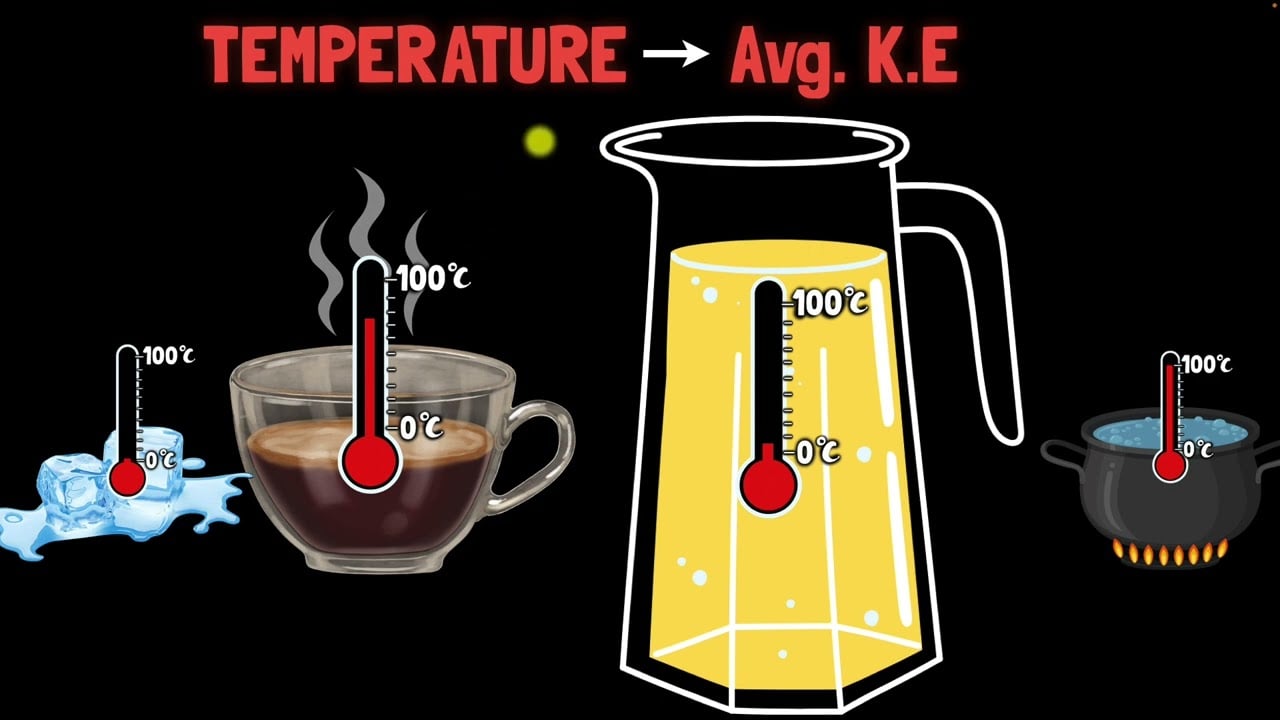
Khan Academy explains heat transfer as background to thermal conductivity. It does not measure a switch material or predict an installed panel temperature.
Thermal energy and heat transfer | Middle school chemistry | Khan Academy — Khan Academy



