A push button plastic compressive property report can support a material comparison, but it cannot tell you the permitted tightening torque or operating force of an assembled switch. Start by identifying the tested plastic and component, then separate compressive strength from compressive modulus. Check that specimen preparation and test conditions are comparable before ranking results. For an industrial panel project, the useful outcome is a documented connection between the material evidence and the ordered button configuration. This guide gives purchasing and quality teams a review workflow; it does not prescribe laboratory settings or approve a particular ONPOW product for an application.
What the compression report measures
ال BSI listing for plastics compressive properties identifies the relevant material test family. The UL Solutions mechanical test overview distinguishes material testing from finished product evaluation. When reviewing compression evidence, request the laboratory’s recorded specimen dimensions, preparation, speed and conditioning so a qualified reviewer can assess comparability. Obtain the applicable full procedure through your laboratory for testing; an online scope is enough to identify the subject, but is not a complete test instruction.
Strength and modulus answer different questions. Strength describes a stress result defined by the method and the observed behavior. Modulus describes stiffness over a specified part of the response. A higher stiffness value does not automatically establish greater resistance to every form of damage. Keep the property name, units and calculation basis attached to each reported number rather than reducing the report to a single supplier score.
For an operator assembly, several components may be involved: the visible head, body, retaining hardware and contact assembly. A compression report on one plastic should not be assigned to all those parts. Ask which component the evidence concerns and how that component is identified on the bill of materials. Where the supplier cannot disclose the full formulation, an agreed controlled material code can still provide a traceable reference.
Define the purchasing question first
A useful review begins with a sentence such as: “We need evidence supporting comparison of the plastic body materials in these two proposed configurations.” That is narrower and more actionable than asking whether a button is strong. It tells the supplier what information to supply and prevents an unrelated material certificate from becoming the main acceptance document.
If the concern is a cracked mounting body after installation, also collect the installation instructions, panel construction and condition of the failed sample. Those facts are assembly evidence. They should be reviewed by the responsible engineer alongside any material results. Do not respond to a stronger material number by increasing installation torque or changing the approved retaining arrangement.
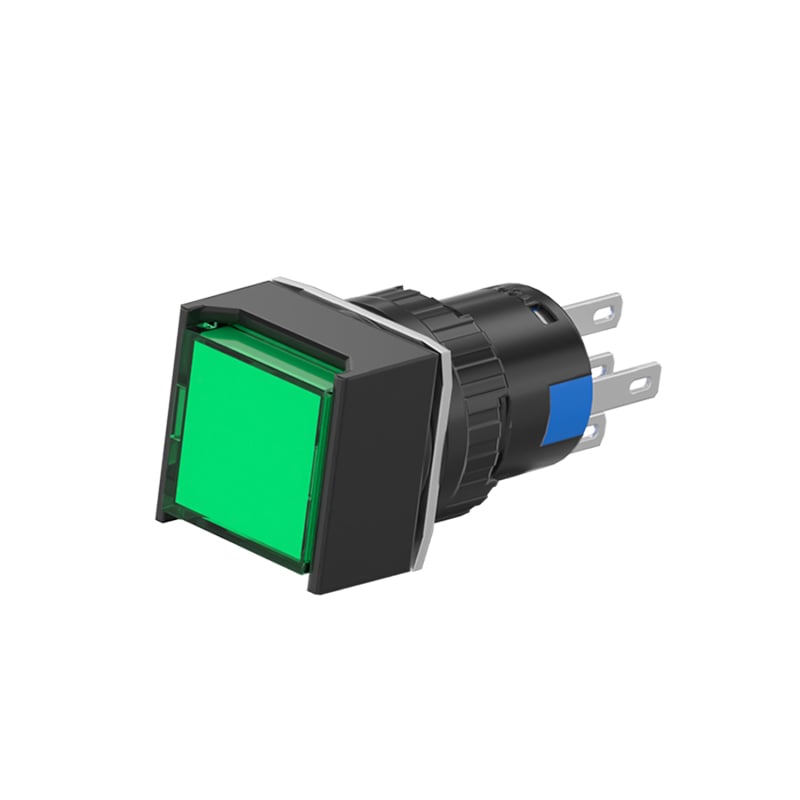
على سبيل المثال، ال صفحة منتج ONPOW LAS1-A can establish which operator is being discussed. Its photograph identifies an example product; it does not establish the resin grade or compression result. Include the actual ordered configuration in the request, particularly when the purchasing system groups several colors, head forms or contact options under one internal stock description.
Check specimen identity and loading evidence
Request the laboratory report number, issue date, specimen identifier and a description of how the specimen was prepared. Determine whether the material was molded into a test piece or a specimen was taken from another object. A result without a clear sample identity can be technically interesting while remaining unusable for acceptance of your purchase order.
Next, ask for the recorded conditioning, test environment and speed. These fields provide the basis for deciding whether two results belong in the same comparison. If the fields differ, preserve the reports as separate observations. Ask the laboratory or material specialist whether a controlled comparison is appropriate instead of inventing a correction factor in a spreadsheet.
Review how deformation was measured and whether the report distinguishes the required property from another output. Modulus deserves particular attention because an apparently precise value can be misunderstood if its measurement basis is missing. Ask for clarification from the issuer when the result heading, graph and units do not agree. Do not silently change the report or guess which label was intended.
Use a structured acceptance table
This table is a purchaser’s document review aid based on the method scope and traceability requirements of the buying process. It contains no acceptance values and does not replace the laboratory procedure.
| مجال المراجعة | الأدلة المطلوب طلبها | What an unresolved gap means |
|---|---|---|
| هوية المكون | Ordered configuration and named plastic component | The report cannot yet be linked to the assembly |
| مرجع المادة | Controlled grade or agreed supplier material code | A comparison may concern different formulations |
| إعداد العينة | Preparation route and recorded dimensions | Results should not be assumed comparable |
| ظروف الاختبار | Speed, conditioning and environment | Ask the issuer to explain the comparison basis |
| Reported property | Strength or modulus with units and definition | Avoid ranking unlike outputs |
| Assembly requirement | Approved installation and application documents | Material evidence alone does not approve use |
Record the result of each review as accepted for a named purpose, clarification required, or unsuitable for that purpose. Avoid a single “pass” cell covering the entire switch. The scope of acceptance matters: a report can be acceptable evidence for a material file while the installation remains pending separate engineering approval.
Compare two offers without mixing the evidence
Suppose Supplier A supplies a material sheet listing a modulus, while Supplier B supplies a laboratory report listing a compressive strength. Neither document is necessarily wrong, but the numbers are not competing answers to one question. Ask both suppliers for the same relevant property and sufficient supporting conditions. Preserve the original files so later reviewers can see why the initial comparison was deferred.
Even when both headings say compressive modulus, check whether the specimen and conditions match. A comparison table should include the material reference and method beside the value. If it becomes too wide, divide the table into identification and result sections rather than deleting the context. The extra fields help the reviewer identify gaps that a color coded score could hide.
Do not choose a winner solely because one numerical result is larger. The component geometry, approved use and purchasing requirement still need review. A meaningful decision might be that both offers meet the documented material requirement, or that neither provides enough evidence. These are legitimate outcomes and more useful than forcing a ranking unsupported by comparable data.
Keep compression separate from other button properties
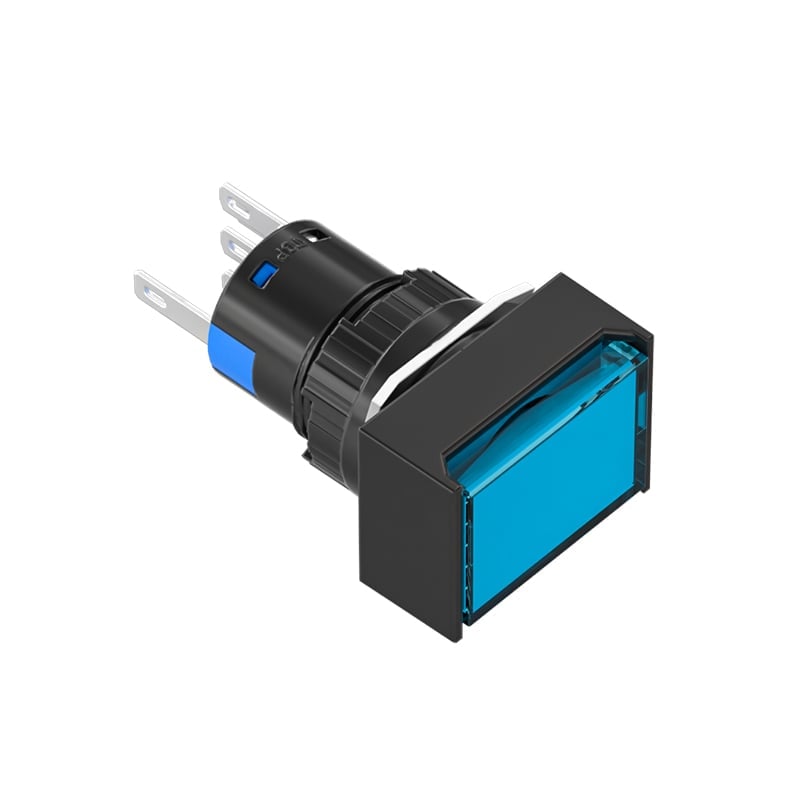
The pressure applied by a finger to operate a button is an assembly characteristic. A plastic specimen’s compressive strength is a material characteristic. They can appear in the same project documentation, but substituting one for the other would leave the operating requirement unanswered. Ask for the product’s applicable operating information separately.
Likewise, an indentation result examines another response and does not replace the compression report. The existing plastic hardness evidence guide explains how to check that method. The دليل تقرير الشد البلاستيكي provides a complementary review of evidence from pulling a specimen. Keep those files separate even when the same material code appears in all of them.
For a broader starting point, use the push button switch information to identify the product family, then narrow the request to the ordered item. If an internal product link does not describe your exact option, send the configuration directly to ONPOW instead of assuming that every product in the family shares one material declaration or test result.
Resolve discrepancies and preserve a usable record
When the supplier sends a revised report, retain both versions and record the reason for replacement. Confirm whether the correction changes sample identity, a unit, a calculation or only a typographical field. A new issue date by itself does not explain what happened. Ask the issuer for a clear revision statement before using the document in an approval package.
Where a report is authentic but unrelated to your component, explain the missing connection in the request. A focused question such as “Which controlled material code in this assembly corresponds to specimen X?” is easier to resolve than a general demand for more certification. If the connection cannot be established, mark the report unsuitable for that purchase decision and continue gathering the correct evidence.
Keep the accepted report with the purchase order, configuration reference, component mapping and review decision. Specify who will review changes to material, processing or component design. This record supports future reorders without implying that every later batch or modified product is automatically covered by the original specimen result.
الأسئلة الشائعة
هل تحدد مقاومة الضغط عزم التركيب؟
لا. لا تحدد نتيجة مقاومة المادة عزم الشد المسموح به للزر بعد تجميعه. استخدم معلومات التركيب الخاصة بالتكوين المحدد بدقة، واطلب توضيحًا هندسيًا عند عدم توفرها. لا تستنتج قيمة عزم الشد من رقم خاص بالمادة دون إجراء تحليل تصميم معتمد.
Can strength and modulus be compared directly?
يصف كل منهما خاصية مختلفة، لذا ينبغي إبقاؤهما في حقلين منفصلين. اطلب نتائج متطابقة وظروف اختبار قابلة للمقارنة إذا كان قرار الشراء يتطلب إجراء مقارنة بين المواد. فمجرد استخدام وحدة قياس مشتركة لا يثبت أن النتيجتين تجيبان عن السؤال نفسه.
هل تكفي صورة المنتج لمطابقته مع المادة التي خضعت للاختبار؟
No. The photograph helps identify the product being discussed, but a documented link between the component, material reference and tested specimen is still needed. Appearance does not establish composition or laboratory performance.
ما المعلومات التي ينبغي إرفاقها عند إرسال استفسار؟
أرسل التكوين المطلوب، والمكوّن المحدد، ومخاوفك المتعلقة بالتطبيق، والغرض من المستند المطلوب. اطلب من ONPOW تقديم الأدلة المتاحة بشأن المواد والمعلومات ذات الصلة بالتركيب. احرص على تحديد أي معايير قبول مطلوبة بوضوح، حتى يتمكن المورد من تحديد أوجه النقص قبل الموافقة على الطلب.
مزيد من المعلومات
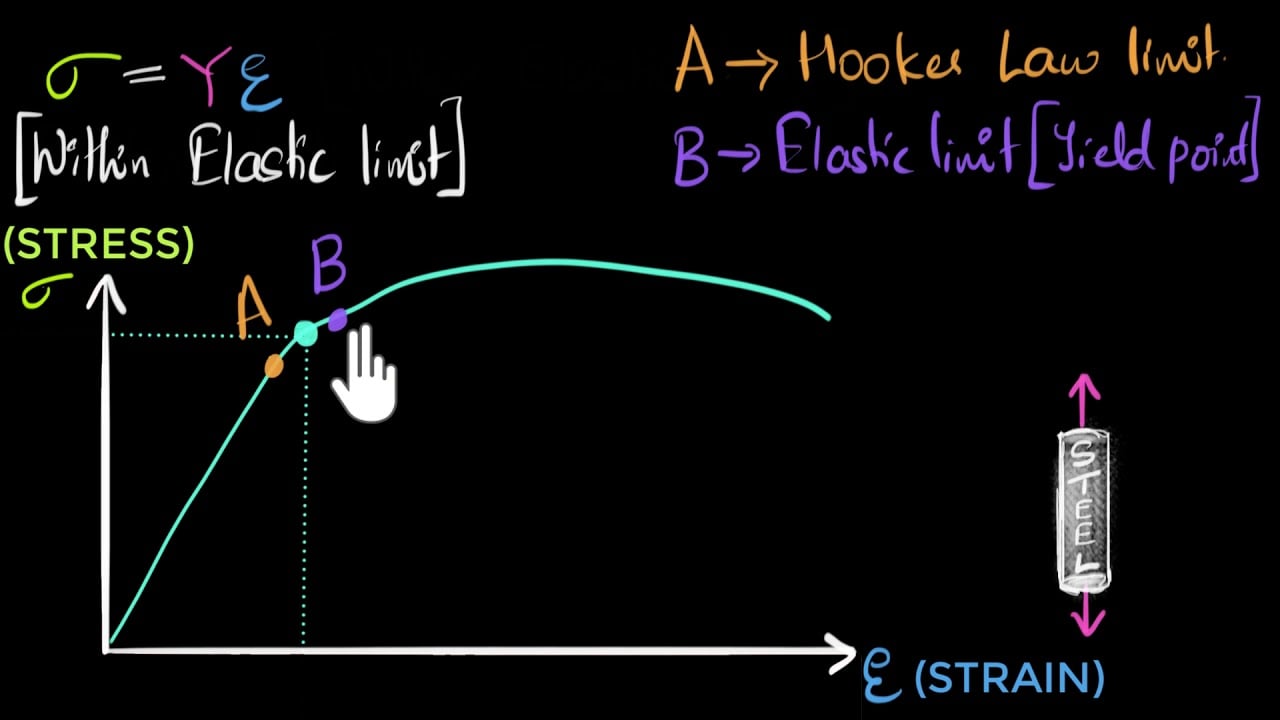
Khan Academy explains stress, strain and elastic versus permanent deformation. This is background for reading a material deformation report; it is not a compression or creep test procedure and does not establish ONPOW product performance.