

A push button plastic water content report records water measured in a particular sample using a stated method. Review the sample identity, packaging, handling, method suitability and reporting basis before using it in a sourcing decision. It is different from a water absorption test, which studies uptake under specified exposure, and it does not establish the sealing performance of a complete switch. This guide helps panel builders and component buyers request useful moisture evidence when reviewing a material or production change, without assigning an unverified moisture limit or drying instruction to an ONPOW product.
Decide which moisture question needs answering
Begin with the stage of supply. A resin processing question concerns material before moulding. An incoming component question concerns an identified finished part at a particular time. A service investigation concerns a component with its own exposure history. The samples and decisions differ, so the request should say which stage matters.
Ask engineering why a water content result is needed. It might be part of an agreed material qualification or an investigation of a change in supplied material. A test ordered without a defined purpose can produce a precise number that nobody can interpret. Record the applicable material requirement or the comparison being made before requesting a pass or fail statement.
Keep this separate from enclosure sealing. A material sample can contain water without the report describing any ingress test on an assembled button. Conversely, an enclosure rating cannot replace a moisture measurement on resin. Do not use either document to answer a different question merely because both mention water.
Read the scope and choose a suitable laboratory method
يشمل النطاق المنشور للمعيار ISO 15512:2019 from SIS describes determining water content in plastics, including powder, granules and finished articles. It distinguishes this measurement from water absorption under ISO 62. The available methods and their suitability need review against the material and the intended measurement range.
ال BSI water content standard listing provides another authoritative route to identify the relevant method. Obtain the actual standard and laboratory proposal when specifying work. A public listing establishes scope; it does not establish that an unspecified component was tested or that a supplier’s procedure is suitable.
Ask the laboratory to explain the selected method, how the sample reaches the measurement stage and which interferences or limitations are relevant. Do not choose a method solely because its instrument is available. If the resin or formulation is unknown, resolve identification and suitability before presenting the result as representative material evidence.
Follow the sample from supply to measurement
Water content belongs to the tested sample in its recorded condition. A useful file therefore connects the material batch, sampling point, package identifier, transfer record and laboratory receipt. Record when a sealed package was opened and whether material was subsequently stored, cut or otherwise prepared. These are practical traceability records, not a substitute for the laboratory’s own handling requirements.
Avoid collecting a handful of loose granules without a sampling plan and then treating the result as the condition of an entire shipment. Agree on representative sampling with the responsible supplier and laboratory. For a finished component, specify which plastic piece is sampled; a complete illuminated assembly can include several materials and nonplastic items.
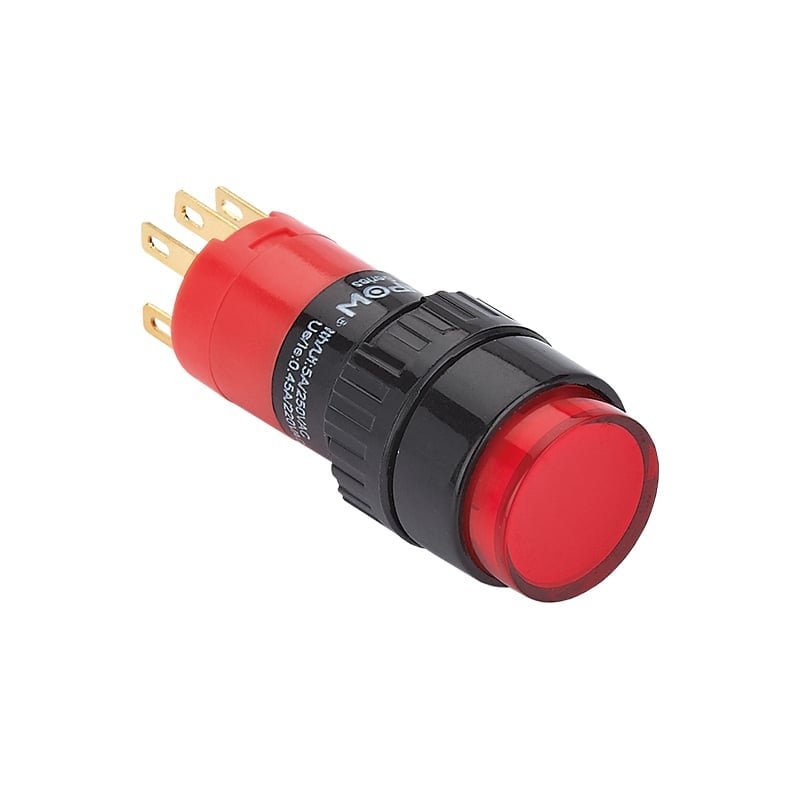
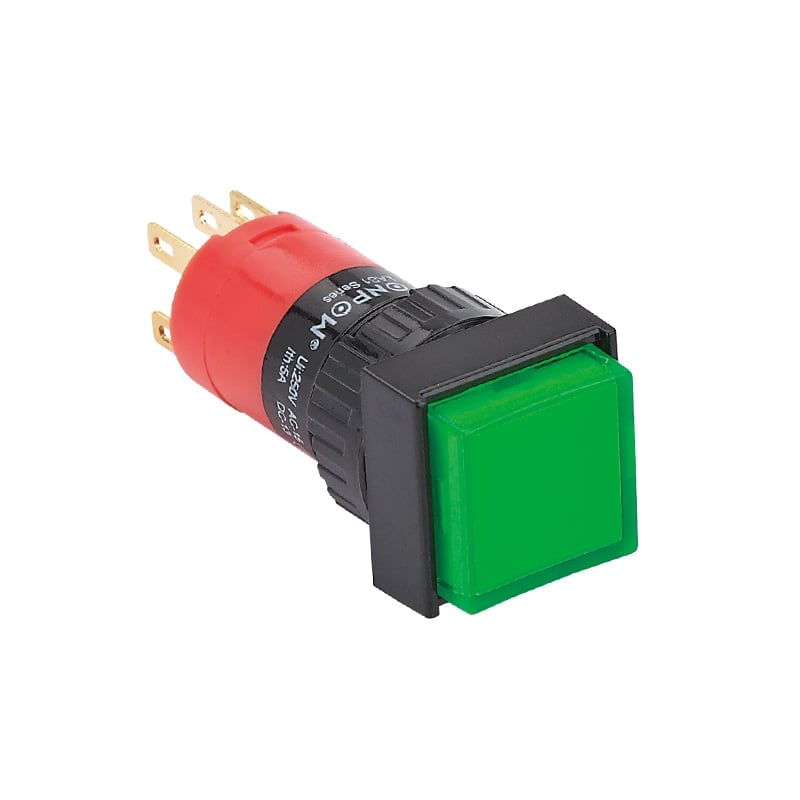
Photographs from the LAS1 product example show why the ordered configuration needs identification. They identify a product family and visible components, not the polymer formulation, current water content or drying history. Ask ONPOW to confirm the relevant component and available material documentation rather than inferring those details from an image.
Use a report review checklist before comparing results
The table below combines the ISO scope distinction with a practical procurement record. It contains no universal moisture limit and does not prescribe a drying or laboratory procedure.
| عنصر المراجعة | Record or clarification needed | What it prevents |
|---|---|---|
| هوية العينة | Material, batch and granule or finished part description | Assigning the result to the wrong supply |
| Sampling stage | Before processing, after storage or from a finished component | Confusing different points in the supply chain |
| Package and handling | Container identity, opening and transfer history | Losing the context of the tested condition |
| اختيار الطريقة | Exact method, edition and suitability explanation | Assuming every technique answers the same question |
| التحضير | Sampled location and laboratory preparation record | Concealing changes between receipt and measurement |
| Reporting basis | Quantity, unit, sample mass basis and calculation statement | Comparing unlike figures or misreading units |
| cURL Too many subrequests by single Worker invocation. To configure this limit, refer to https://developers.cloudflare.com/workers/wrangler/configuration/#limits | cURL Too many subrequests by single Worker invocation. To configure this limit, refer to https://developers.cloudflare.com/workers/wrangler/configuration/#limits | cURL Too many subrequests by single Worker invocation. To configure this limit, refer to https://developers.cloudflare.com/workers/wrangler/configuration/#limits |
| cURL Too many subrequests by single Worker invocation. To configure this limit, refer to https://developers.cloudflare.com/workers/wrangler/configuration/#limits | cURL Too many subrequests by single Worker invocation. To configure this limit, refer to https://developers.cloudflare.com/workers/wrangler/configuration/#limits | cURL Too many subrequests by single Worker invocation. To configure this limit, refer to https://developers.cloudflare.com/workers/wrangler/configuration/#limits |
cURL Too many subrequests by single Worker invocation. To configure this limit, refer to https://developers.cloudflare.com/workers/wrangler/configuration/#limits.
Do not confuse water content with water absorption
cURL Too many subrequests by single Worker invocation. To configure this limit, refer to https://developers.cloudflare.com/workers/wrangler/configuration/#limits cURL Too many subrequests by single Worker invocation. To configure this limit, refer to https://developers.cloudflare.com/workers/wrangler/configuration/#limits cURL Too many subrequests by single Worker invocation. To configure this limit, refer to https://developers.cloudflare.com/workers/wrangler/configuration/#limits.
This distinction matters in supplier discussions. If a buyer asks for a moisture result but receives a data sheet entry headed water absorption, the document does not answer the request. Ask for clarification rather than accepting the nearest water related property. The two measurements can support different parts of a material assessment without being interchangeable.
Do not infer a universal relationship between the two numbers. Material identity, sample condition and method remain necessary. If engineering needs to connect moisture state to a particular property or process outcome, commission an investigation designed to establish that relationship rather than assuming it from unrelated documents.
Review units and measurement limits carefully
Retain the laboratory’s original unit and basis in the qualification file. If a purchasing table requires another unit, document the conversion and have it checked. A number with a percent symbol is incomplete when the measured quantity or mass basis is not clear. Never compare a mass loss value with a water specific result without understanding what each measurement detects.
If the result is below a reporting limit, keep the less than designation. It does not mean the sample contained exactly zero water. Ask whether the method’s reporting range is suitable for the acceptance criterion. An instrument output with more decimal places is not by itself evidence of a better decision.
Request replicate results and relevant quality checks when the decision is sensitive to a small difference. Ask the laboratory how it handles background contributions and any method limitations. The laboratory should provide an explanation appropriate to its procedure; purchasing should not create a correction factor to make two reports agree.
Resolve a disagreement between supplier and incoming tests
Consider a supplier report collected before shipment and an incoming report measured later from another package. Even if they use the same method name, they do not necessarily describe the same specimen state. Start by aligning batch identifiers, sampling locations, packaging and times. Do not immediately assume that either laboratory made an error.
Ask both parties to describe their sampling and preparation records. If uncertainty remains, agree on a controlled comparison with matched specimens, handling and measurement requirements. Preserve retained samples where appropriate. A repeat test should be designed to answer the disagreement rather than generate a third unexplained number.
Do not dry a retained sample before a repeat measurement unless that is part of the agreed question and method. The repeat would then describe the prepared condition rather than the original incoming condition. Label each state explicitly. The same discipline applies to a finished part that has been stored or exposed before laboratory examination.
Keep material evidence separate from complete switch approval
A water content report may be relevant to a defined material or production review, but it does not establish electrical insulation performance, fire behaviour, service life or sealing of a complete button. Those questions need their applicable evidence. Use the separate guide to material volume resistivity reports when reviewing bulk electrical measurements and their conditions.
Do not turn a moisture result into an operating temperature or maintenance interval. Similarly, this article does not prescribe a drying temperature for an assembled switch. A complete product can contain components that need their own handling instructions. Obtain the manufacturer’s instructions and the responsible engineer’s assessment for the actual configuration.
If a material change is proposed, link the moisture review to the documented change. Record which component changes, why the evidence is requested and which qualification questions remain. The report should support that decision without becoming a general certificate covering every model in the catalogue.
Send a request that can be answered
Provide the ordered model, component drawing or photograph, batch identification if known, the sampling stage and the engineering question. Ask the supplier what material information and existing reports are available. If new laboratory work is needed, agree on the sample identity, applicable method, required reporting range and acceptance reference before sending samples.
استخدم دليل مراجعة نطاق المختبر to check whether the proposed work fits the laboratory’s capabilities and stated scope. Obtain disclosure of modified methods or unusual specimens. Store the proposal, report and engineering decision together so a future material or supplier change can be assessed against the same documented purpose.
الأسئلة الشائعة
Does low water content prove that a button is waterproof?
No. Water content describes the tested sample state. Waterproof or ingress performance concerns an assembled configuration and its applicable test conditions. A material moisture result cannot replace evidence for seals, mounting interfaces and the complete installation.
Can I use a water absorption value instead?
No. Water absorption and current water content answer different questions. Ask for the requested measurement and its sampling conditions. If both are needed, keep them as separate entries with their own methods, specimen descriptions and engineering purpose.
Does a result below the reporting limit mean zero moisture?
No. Preserve the laboratory's reporting notation and ask whether its range is suitable for the decision. Do not replace a less than result with zero in the purchasing table or use additional displayed decimal places as proof of measurement certainty.
Should I dry the complete switch before requesting a test?
Do not invent a drying instruction. Identify the sample and ask the laboratory and manufacturer which preparation is appropriate for the actual question. Any agreed preparation must be recorded because the result then describes that prepared state, rather than an undocumented original condition.
مزيد من المعلومات
This NPTEL IISc lecture introduces Karl Fischer titration and ion selective electrodes. The Karl Fischer section is background for chemical water measurement, not an ISO 15512 test of an ONPOW part or a drying instruction.



