

Si estás eligiendo un interruptor para tu proyecto, probablemente te has encontrado con Interruptor DPDT vs SPDT comparaciones. En teoría, la diferencia parece simple, pero en aplicaciones reales, elegir una opción incorrecta puede generar problemas de cableado, funcionalidad limitada o costos innecesarios.
Esta guía lo desglosa claramente para que pueda elegir con confianza.
Respuesta Rápida (Para Tomar Decisiones Rápidamente)
- SPDT (Un Polo Doble Tirada): controles un circuito, intercambia entre dos salidas
- DPDT (Doble Polo Doble Tiro): controles dos circuitos, cambia ambos al mismo tiempo
Si solo necesitas redirigir una señal → elige SPDT
Si necesita controlar dos circuitos o invertir la polaridad → elija DPDT
2. ¿Qué es un interruptor SPDT?
Un Interruptor SPDT tiene
- 1 entrada (terminal común)
- 2 salidas
Te permite enviar una señal a uno de dos caminos.
Casos de uso típicos:
- Conmutación de señal
- Selección de modo
- Control ON/ON simple
Es compacto, rentable y perfecto para tareas de control sencillas.
3. ¿Qué es un interruptor DPDT?
A Interruptor DPDT es esencialmente dos interruptores SPDT combinados en uno.
Tiene:
- 2 circuitos independientes
- Cada circuito puede cambiar entre dos salidas
¿Qué lo hace poderoso?
- Controla dos circuitos simultáneamente
- Polaridad inversa (muy común en el control de motores)
- Manejar lógica más compleja con un solo botón
Por esto muchos ingenieros prefieren un Botón pulsador DPDT cuando se necesite flexibilidad.
4. Interruptor DPDT vs SPDT: Comparación lado a lado
| Característica | SPDT | DPDT |
| Circuitos controlados | 1 | 2 |
| Terminales | 3 | 6 |
| Complejidad | Sencillo | Más versátil |
| Costo | Bajar | Un poco más alto |
| Uso típico | Conmutación de señal | Control de motor, inversión de polaridad |
5. ¿Cuándo se debe elegir SPDT?
Elige SPDT si:
- Solo necesitas controlar un circuito
- El espacio es limitado
- Quieres un configuración de cableado más sencilla
- El costo es una preocupación
Ejemplo: cambiar entre dos fuentes de señal
¿Cuándo es el DPDT la mejor opción?
Elige DPDT si:
- Necesitas controlar dos circuitos a la vez
- Su aplicación involucra cambiando de dirección (como motores)
- Quieres más flexibilidad para futura expansión
control de avance/retroceso en equipos de automatización
7. Por qué muchos compradores prefieren los botones pulsadores metálicos
Ya sea que elijas SPDT o DPDT, la carcasa importa tanto como eso.
Una alta calidad pulsador metálico ofertas
- Larga vida útil mecánica
- Fuerte resistencia al desgaste y la vibración
- Mejor sellado (ideal para entornos industriales)
- Un acabado más exclusivo y profesional
Para paneles, maquinaria o uso en exteriores, esta es a menudo la opción más segura a largo plazo.
8. Error común de los compradores
Uno de los problemas más comunes:
Elegir un SPDT cuando en realidad se requiere un DPDT
Esto suele llevar a:
- Recablear más tarde
- Añadir componentes adicionales
- Tiempo de instalación aumentado
Si es posible que su sistema se expanda o requiera doble control, a menudo es más inteligente comenzar con una Botón pulsador DPDT.
9. Selección del conmutador adecuado para su aplicación
Antes de tomar una decisión, comprueba:
- ¿Cuántos circuitos necesitan ser controlados?
- Si se requiere inversión de polaridad
- Espacio disponible en el panel
- Clasificaciones eléctricas (voltaje/corriente)
Si está trabajando en equipos industriales o para exteriores, emparejar la configuración correcta con un duradero pulsador metálico es clave para la fiabilidad a largo plazo.
Un consejo práctico de la experiencia en la industria
En proyectos del mundo real, muchos ingenieros recurren a SPDT por ser más simple, pero más tarde se dan cuenta de que necesitan más flexibilidad.
Por eso, los compradores experimentados a menudo evalúan primero las necesidades futuras, no solo los requisitos actuales.
10. Acerca del Suministro Confiable
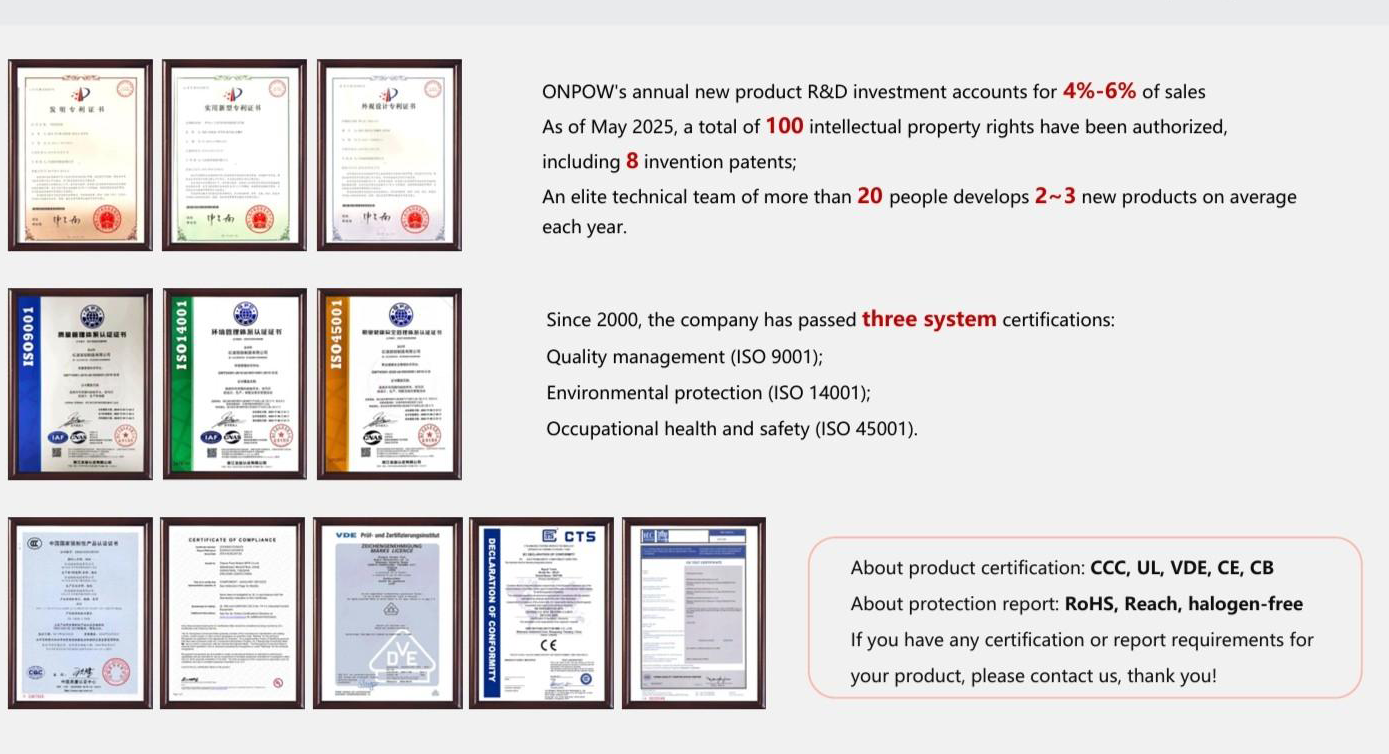
La consistencia es importante cuando se trata de interruptores. Fabricantes como ONPOW enfocarse en producir pulsador metálico soluciones con un rendimiento de contacto estable, múltiples opciones de configuración (incluyendo SPDT y DPDT) y personalización para diferentes industrias.
Si tu solicitud aún no está del todo clara (100%), recabar opiniones desde el principio puede ahorrarte tiempo más adelante.
11. Reflexiones finales
La diferencia entre Interruptor DPDT vs SPDT no es solo técnico, afecta directamente el rendimiento de tu sistema.
- Ir con SPDT para control simple de un solo circuito
- Elige DPDT cuando necesite flexibilidad, control dual o capacidad de inversión
Si no estás seguro, generalmente es mejor pensar un paso adelante, porque cambiar después siempre es más caro que elegir correctamente la primera vez.



