

Un appareil électronique appelé “Bouton-poussoir avec commande tactile”utilisent le toucher pour effectuer de nombreuses fonctions, tant dans les maisons que dans les entreprises. Plutôt que d'appuyer ou d'enfoncer physiquement un bouton pour l'activer (comme le font les boutons poussoirs traditionnels), un bouton poussoir à commande tactile détecte votre doigt en le touchant grâce à des capteurs tactiles infrarouges (IR) ou capacitifs. En touchant la surface du bouton, vous pouvez rapidement et facilement activer/désactiver la fonction contrôlée sans avoir à appuyer fort. bouton-poussoir avec commande tactile a également ajouté une touche de style moderne et de commodité à de nombreuses applications – des systèmes domotiques aux machines industrielles.
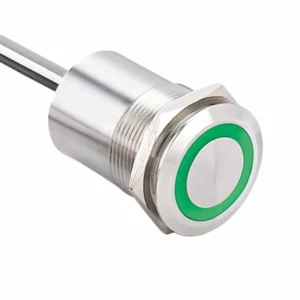
Comment fonctionne un bouton poussoir avec commande tactile ?
Les boutons poussoir tactiles sont des dispositifs électroniques sensibles au toucher capables de détecter la présence d'un doigt humain grâce à la technologie de détection tactile. L'un des principaux types de technologies de détection tactile utilisées pour ce type de bouton est appelée détection capacitive, qui fonctionne en détectant les différences de capacitance dues au toucher de l'utilisateur sur la surface du bouton. Lorsque l'utilisateur touche la surface du bouton, cela déclenche l'envoi d'un signal au système pour accomplir la tâche qui a été assignée à ce capteur tactile. En plus de la détection capacitive, des systèmes avancés boutons-poussoirs à commande tactile peuvent également utiliser la technologie infrarouge (IR) pour détecter l'approche d'une main ou d'un objet du capteur IR avant que l'utilisateur n'appuie sur le bouton, permettant ainsi des interactions sans contact avec l'appareil. Par conséquent, les boutons-poussoirs à commande tactile sont très fiables et réactifs à l'utilisateur, même dans les situations où des interactions rapides et/ou répétées se produisent.
Matériau du bouton-poussoir avec commande tactile
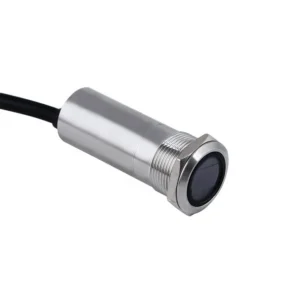
Le choix du matériau utilisé pour fabriquer Boutons-poussoirs avec contrôle tactile est basé sur leur durabilité, leur sensibilité et leur style. Les plastiques de haute qualité couramment utilisés pour la fabrication comprennent le polycarbonate et l'ABS en raison de leur grande résistance et de leur résistance thermique. Les fabricants peuvent également choisir des matériaux haut de gamme, notamment le verre ou l'acier inoxydable, pour créer un bouton-poussoir visuellement attrayant et/ou pour obtenir un fini lisse et esthétiquement agréable. Pour garantir des performances à long terme dans les applications commerciales (par exemple, en extérieur ou industrielles), certains matériaux de boutons-poussoirs subissent un traitement de surface (par exemple, des revêtements anti-rayures ou résistants aux UV).
Avantages d'un bouton-poussoir avec contrôle tactile
Le commande tactile par bouton-poussoir offre plusieurs avantages intéressants par rapport aux boutons mécaniques conventionnels et comprend :
1. Performances durables : les boutons activés au toucher sont beaucoup plus durables que les commandes à boutons-poussoirs traditionnelles car il n'y a pas de pièces mobiles, ce qui signifie qu'ils sont beaucoup moins sujets à l'usure, ce qui entraîne une durée de vie beaucoup plus longue. Cela offre un niveau de fiabilité plus élevé dans le temps pour les lieux à utilisation intensive.
2. Apparence moderne : Les boutons-poussoirs à fonction tactile offrent généralement un design très élégant et moderne qui s'intègre bien dans l'environnement où ils sont utilisés, que ce soit à la maison, au bureau ou même dans un cadre de vente au détail.
3. Entretien à faible résistance : le nettoyage et l'entretien des boutons activés par le toucher sont simples grâce à l'utilisation de surfaces lisses et plates qui présentent très peu de zones où la saleté peut s'accumuler.
4. Expérience utilisateur améliorée : Les boutons activés par le toucher peuvent être facilement activés d'une légère pression ou en étant près du bouton, ce qui les rend très faciles à utiliser et élimine la fatigue de l'utilisateur pour les personnes ayant une dextérité limitée.
5. De nombreuses options de personnalisation : De nombreux modèles peuvent être configurés par l'utilisateur pour offrir différentes fonctions et caractéristiques de conception afin de répondre aux exigences d'utilisation spécifiques de l'utilisateur.
Utilisations d'un bouton poussoir avec commande tactile
Grâce à leur adaptabilité et à leurs attributs contemporains, les boutons poussoirs à commande tactile peuvent être déployés dans de nombreuses applications, notamment :
1. Domotique : Les maisons intelligentes utilisent ces boutons pour contrôler l'éclairage, la température, les volets et les systèmes de divertissement. Les boutons tactiles ont un design élégant et sont faciles à utiliser, c'est pourquoi ils sont de plus en plus populaires dans les maisons d'aujourd'hui. Les environnements industriels utilisent des boutons tactiles pour faire fonctionner des machines, offrant un fonctionnement rapide et précis lors de l'exécution de tâches nécessitant rapidité et précision. Couramment présents dans les robinets de cuisine/salle de bain et les distributeurs de savon, les boutons tactiles offrent une méthode propre et hygiénique pour interagir avec l'espace. Les boutons tactiles dans les ascenseurs et les espaces publics, comme les bureaux, les panneaux d'ascenseur des centres commerciaux et les systèmes de portes automatisés, réduisent le contact entre les personnes, contribuant à améliorer l'assainissement dans les zones à forte population. Les boutons tactiles sont utilisés dans une variété d'endroits professionnels, tels que les salles de conférence et les espaces de coworking, pour contrôler les lumières, les projecteurs et les systèmes de chauffage et de refroidissement ; ajoutant un élément d'utilité et de sophistication à chaque espace professionnel.
Considérations clés lors du choix d'un bouton-poussoir avec commande tactile
Lors du choix d'un bouton poussoir à commande tactile Pour votre application spécifique, il est essentiel de prendre plusieurs facteurs en considération :
1. Compatibilité : Il est important de s'assurer que le bouton choisi est compatible avec les systèmes existants, tels que ceux utilisés pour l'éclairage, les machines, etc.
2. Durabilité : Si vous utilisez le bouton dans un environnement plus rude ou une zone susceptible d'être sujette à une forte usure, vous devriez rechercher des modèles fabriqués à partir de matériaux de qualité industrielle. .
3. Résistant aux intempéries : Si vous comptez utiliser le bouton à l'extérieur, vous devrez trouver un modèle étanche ou résistant aux intempéries, capable de supporter les éléments (comme l'exposition à l'humidité et à la poussière).
4. Paramètres de sensibilité : Vous voudrez vérifier si le bouton dispose de paramètres de sensibilité réglables afin d'éviter les touches involontaires et l'activation indésirable du bouton.
5. Coût et garantie : Les boutons tactiles peuvent être trouvés dans une variété de gammes de prix, mais vous voudrez essayer de trouver le bon équilibre entre le prix et la qualité, et avoir une bonne politique de garantie en place pour assurer votre satisfaction à long terme.
Questions Fréquemment Posées
Quelles sont les principales différences entre les boutons tactiles et les boutons mécaniques ?
La principale différence entre eux réside dans la façon dont ils sont activés. Les boutons mécaniques doivent être physiquement pressés, tandis que les boutons tactiles peuvent être activés par un simple toucher ou en s'en approchant. De plus, les boutons tactiles offrent une meilleure durabilité que les boutons de commande mécaniques et ont un design élégant et moderne.
Les boutons de commande tactiles peuvent-ils être utilisés dans des applications extérieures ?
Une grande variété de modèles peuvent être utilisés en extérieur (la plupart étant résistants aux intempéries), mais le plus important est qu'ils répondent à l'indice de protection IP pour vos besoins environnementaux spécifiques.
Est-il difficile d'installer un bouton poussoir avec commande tactile ?
En général, les installations ne sont pas trop difficiles. De nombreux types d'installations peuvent être facilement intégrés à un système existant. Une connaissance de base sur la façon dont un élément se connecte à un circuit électrique suffira dans la plupart des cas. Si vous choisissez d'installer un élément complexe dans un système, consultez un électricien avant de procéder vous-même à l'installation.
Y a-t-il des inconvénients à utiliser des boutons tactiles ?
Les boutons tactiles présentent un certain nombre d'avantages ; cependant, ils coûtent généralement plus cher que les interrupteurs mécaniques traditionnels à l'achat. De plus, si des boutons tactiles sont utilisés dans des environnements excessivement sales et humides, des précautions supplémentaires devront être prises quant à leur entretien pour qu'ils fonctionnent correctement.
En résumé : Le bouton-poussoir avec commande tactile est une option de pointe et conviviale pour les applications électriques modernes dans de nombreux environnements. Il offre un certain nombre d'avantages aux utilisateurs : durabilité, designs élégants, facilité d'utilisation et ensembles de fonctionnalités personnalisables. Ensemble, ces caractéristiques transforment la façon dont les utilisateurs communiquent avec leurs appareils à la maison, dans les entreprises et dans les applications industrielles. Lors de l'évaluation de différents modèles, il est important de tenir compte des matériaux, de la durabilité, de la compatibilité avec l'environnement environnant, ainsi que de la façon dont il s'intégrera à votre système existant. Ce faisant, vous améliorerez non seulement les performances de votre équipement existant, mais vous améliorerez également votre expérience utilisateur globale pour refléter les besoins de la société d'aujourd'hui.



