

A request for a push button safety data sheet should begin by identifying what is actually being supplied: a finished component, a substance, a mixture, or a package containing several different items. A switch datasheet, a material declaration and a chemical safety data sheet answer different questions. Ask the supplier to explain the correct document route for the exact delivery and destination market. If an SDS is not the applicable document, obtain the relevant product and safe-use information instead of accepting an empty placeholder.
This guide helps industrial buyers organize that enquiry. It does not give a universal SDS exemption for ONPOW products or replace a competent assessment of the supplied item and applicable rules.
Start with the contents of the delivery
Purchase orders often use the word “switch” for a complete delivery that can also include accessories, maintenance products or installation materials. List those items separately. A finished push button and a separately supplied cleaning chemical should not be assigned the same documentation decision simply because they arrive together.
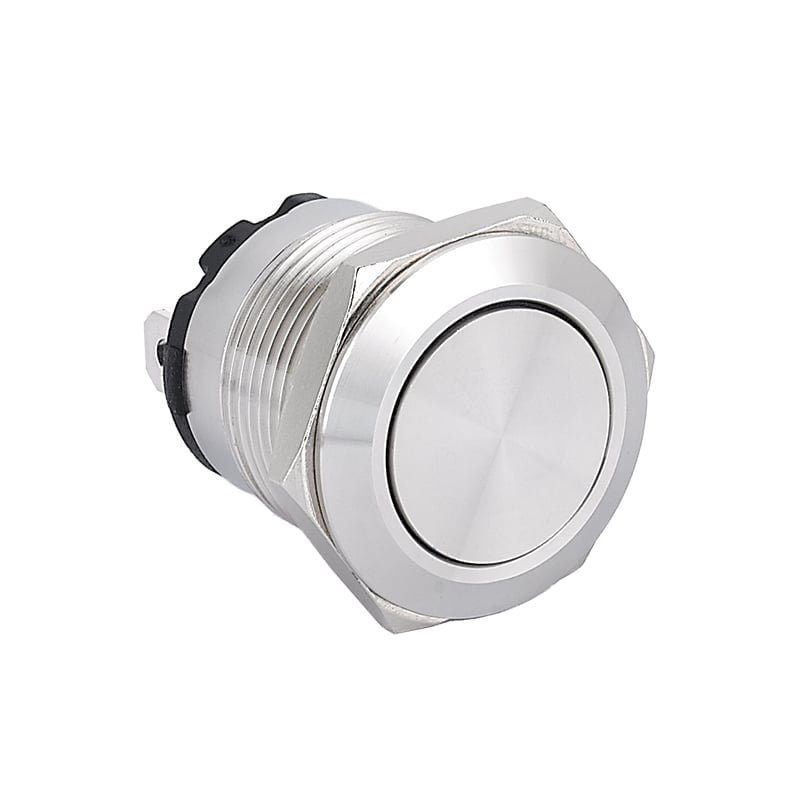
For a product enquiry, use an exact ordering code and the supplier’s description. The ONPOW6219F-10E/J/S product page can help identify a catalogue configuration, but a photograph cannot decide the legal classification of the supplied item. Confirm the correct order reference with ONPOW before asking a compliance team to assess documentation.
Also describe the intended handling. Normal installation of an intact component, use of a separately supplied chemical and processing of scrap are different activities. A document that helps one task may be insufficient for another. Give the supplier enough context to identify the relevant information without asking it to approve an unspecified industrial process.
Understand what an SDS is designed to communicate
The European Agency for Safety and Health at Work’s safety data sheet guidance describes SDS information for substances and mixtures, including hazards, handling and exposure controls. It also explains that safe-use information can still be required when an SDS is not required. This means “no SDS” and “no information needed” are different conclusions.
Use the authority’s guidance as a starting point for the appropriate destination-market review. Requirements can depend on classification, supply circumstances and the relevant rules. A purchasing team should not decide that every solid object is exempt, nor demand a chemical document solely because a portal contains a mandatory upload box. Escalate an unclear classification to the responsible specialist and retain the decision basis.
When the supplier provides an SDS, verify that its product identification corresponds to the actual substance or mixture delivered. A sheet for a raw resin, lubricant or cleaning agent is not automatically the SDS for an assembled switch. Keep each record attached to the item it describes so warehouse staff and engineers do not act on information for a different product.
Match the document to the question
The following table is a practical routing aid for procurement. It is not a legal classification table or a declaration about the contents of any ONPOW model. The responsible supplier and project specialist must establish the correct document requirements.
| Purchase question | Useful information route | Common error to avoid |
|---|---|---|
| How should the switch be installed? | Configuration-specific instructions and technical datasheet | Treating a chemical SDS as a wiring guide |
| What hazards apply to a supplied chemical? | Applicable SDS and supplier instructions | Using a generic sheet for a different mixture |
| What material information does the customer need? | Supplier declaration with product and reference scope | Treating a product brochure as a substance declaration |
| What safe-use information applies to a finished item? | Supplier information appropriate to the item and market | Assuming no SDS means no communication duties |
| What information belongs in the customer portal? | Agreed document type and documented classification decision | Uploading an unrelated PDF to clear a required field |
| What happens during unusual processing? | Task-specific risk assessment and relevant supplier information | Extending normal-use instructions to destructive processing |
Agree the routing decision before the order is released. If the buyer, supplier and customer use different terminology, record the meaning rather than debating the file title. The goal is that the receiving team obtains information that supports its actual task.
Review an SDS when one is applicable
Ireland’s Health and Safety Authority explains SDS presentation and update issues in its questions and answers. Use that guidance to understand the document’s structure, then follow the applicable local requirements. Check identification, supplier contact, revision information and the sections relevant to the planned work. A familiar layout does not compensate for an incorrect product name.
For example, a maintenance department might buy a chemical separately from its switches. The department should check that the SDS corresponds to that chemical and that workers can access the information they need. It should not infer that a document covering the maintenance chemical also describes the switch’s internal materials or proves compatibility with the switch.
If information appears contradictory, ask the supplier for clarification before relying on it. Preserve the original version and the corrected response so the change can be traced. An unexplained discrepancy between a label and the SDS deserves attention from the responsible specialist; procurement staff should not reconcile hazard information by guessing which wording is newer.
Keep article information and chemical information connected
A project may need information about a finished component even where a conventional chemical SDS is not the appropriate route. Ask what safe-use information, substance-related communication and product instructions are available for the exact item. The REACH anyagnyilatkozat felülvizsgálatával explains how to check product coverage and the basis of a supplier statement.
Avoid asking the supplier to create a cosmetic SDS filled with “not applicable” just to satisfy a portal. That approach can hide an unresolved classification question and confuse downstream users. Instead, ask the customer whether it accepts a supplier statement explaining the documentation route, accompanied by the relevant product information. Have the customer record its acceptance rather than changing an unrelated document’s title.
Keep the reason for the decision accessible. A later colleague should be able to see which item was assessed, which market and use were considered, who answered and which records were accepted. This is especially helpful when the same catalogue family is sold as a different delivery package or through a distributor using its own item numbers.
Work through a mixed-order example
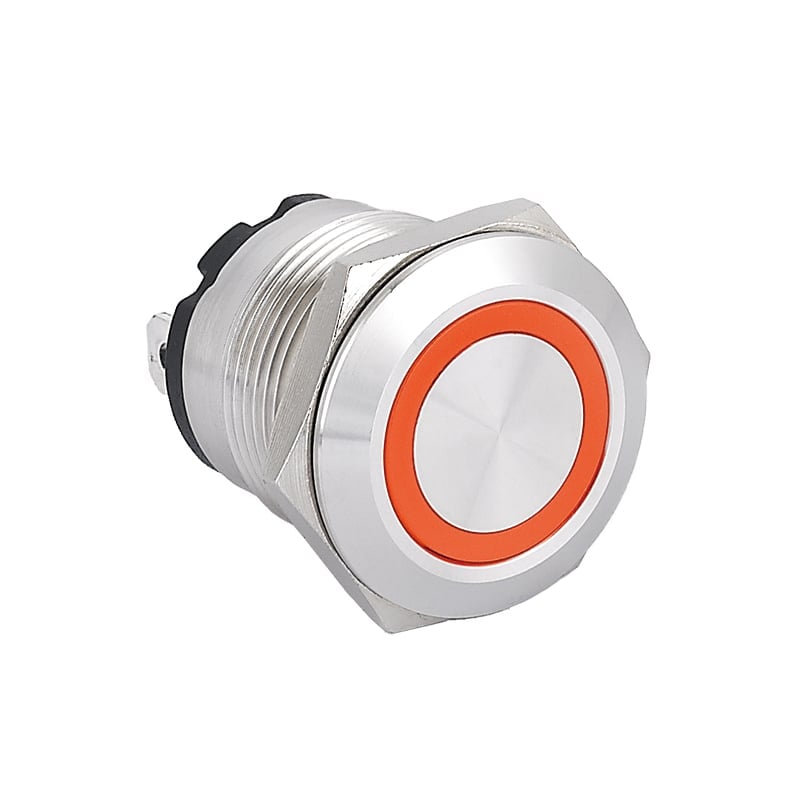
Consider an illustrative order containing a finished panel button, a separate bottle of cleaning product and a plastic accessory. First split the order into three documentation lines. Confirm each supplier identity, part reference and purpose. This prevents the chemical document from being copied across the entire purchase merely because the items share an invoice.
Next ask the responsible supplier what documentation applies to each line. The finished component needs its own installation and product information. The chemical’s SDS decision follows its classification and supply conditions. The accessory needs an appropriate classification and information review. None of these conclusions can be made from the purchase category alone, and this example is not a statement about an actual ONPOW delivery.
Finally, check the intended cleaning process separately. The presence of an SDS for a cleaning product does not establish that it is compatible with the switch materials, markings or seals. Obtain configuration-specific cleaning guidance and assess the workplace task. If the customer plans cutting, heating or other unusual processing, explain that use explicitly and obtain suitable specialist advice before work starts.
Resolve customer-portal requests without losing traceability
When a portal rejects a missing SDS field, save the exact requirement and ask the customer which alternative evidence it accepts for the assessed item. Provide a short description of the delivery and the supplier’s explanation. If the customer requires a particular form, ask it to distinguish a product information statement from a chemical SDS within that form.
Keep the accepted document associated with its supplier revision and the customer item number. When the supplier updates the delivery contents, repeat the routing review. An added chemical, changed packaging arrangement or different supplied accessory may require a new decision. A previously accepted statement should not be reused merely because the customer portal still displays a green status.
Use a clear internal status such as “awaiting item classification,” “supplier information requested” or “customer accepted alternative.” These descriptions show what remains to be done. Avoid recording “SDS complete” when the actual outcome was acceptance of a different document type. Accurate status language helps the next buyer continue without reopening a settled question or overlooking an unresolved one.
Küldjön egy fókuszált információs kérést
Your enquiry should include the exact ordering code, all separately supplied items, intended use, destination market and the customer’s requested document. Ask the supplier to confirm whether the request applies to a substance, mixture or finished item and to supply the appropriate records. Name a contact who can answer technical questions, rather than relying only on a generic sales attachment.
If the customer is also collecting substance declarations, keep those requests distinct. The RoHS declaration scope review concerns coverage of a regulatory statement; it does not replace chemical hazard communication. The PFAS declaration guide examines the definitions and evidence behind another specific request. Cross-reference documents where useful, but preserve what each one actually says.
Before closing the purchase file, confirm that the people using the product can access the relevant instructions and information. A correct document saved in a buyer’s private inbox may still be unavailable to the maintenance team. Record the accepted location, responsible owner and follow-up for outstanding questions so the paperwork supports the real workplace task.
Gyakran ismételt kérdések
Does every push button require a chemical SDS?
Do not make that decision from the product name alone. Identify the supplied item, delivery contents and applicable market rules. Ask the supplier and responsible specialist to establish whether an SDS or another information route applies. This guide does not declare an exemption for any ONPOW model.
Can we use the resin supplier’s SDS for an assembled switch?
A raw-material SDS describes the identified substance or mixture within its own scope. It should not be relabelled as a document for an assembled switch. Ask for information appropriate to the actual supplied item and preserve the original document’s identity.
Is a switch technical datasheet the same as an SDS?
No. A technical datasheet helps identify a configuration and its stated technical characteristics. An SDS communicates chemical hazard and handling information where applicable. A material declaration answers another type of question. Request the document that matches your task.
What should we upload when the customer accepts an alternative document?
Upload the agreed supplier information under the customer’s accepted route and retain the classification explanation and acceptance record. Keep the status accurate so later users understand which document was provided. Never upload an unrelated SDS merely to clear a mandatory field.
További ismeretek
ECHA discusses safety data sheet quality and a 2024 enforcement project. It explains why checking chemical information matters; it does not classify an ONPOW switch or establish its SDS obligations.
EU enforcement project checks safety data sheets – still room for improvement — EUchemicals



