A push button plastic dynamic mechanical analysis report should be reviewed as a description of a specimen under a defined oscillating load. Compare storage modulus, loss modulus and damping only after checking temperature, frequency, deformation mode and sample history. A DMA curve does not by itself establish the operating temperature, mechanical life or retention performance of an assembled switch. For buyers, the main value is a controlled comparison of material behavior. This guide explains how to connect the curves to a purchasing question, identify mismatched reports and request the missing information before accepting material evidence.
Start with the decision the DMA report must support
DMA is useful when a material question concerns response under repeated small deformation and changing conditions. A buyer might need to compare an approved molding material with a proposed alternative, investigate inconsistent stiffness evidence, or ask why two reports show different transition temperatures. Each question needs a defined specimen and a clear comparison plan.
Avoid starting with a generic request for a DMA certificate. Ask what the test is expected to demonstrate and how the sample represents the ordered component. A molded bar made from a declared resin and a piece cut from a finished part may answer different questions. The report should distinguish them and document the connection to the supplied material.
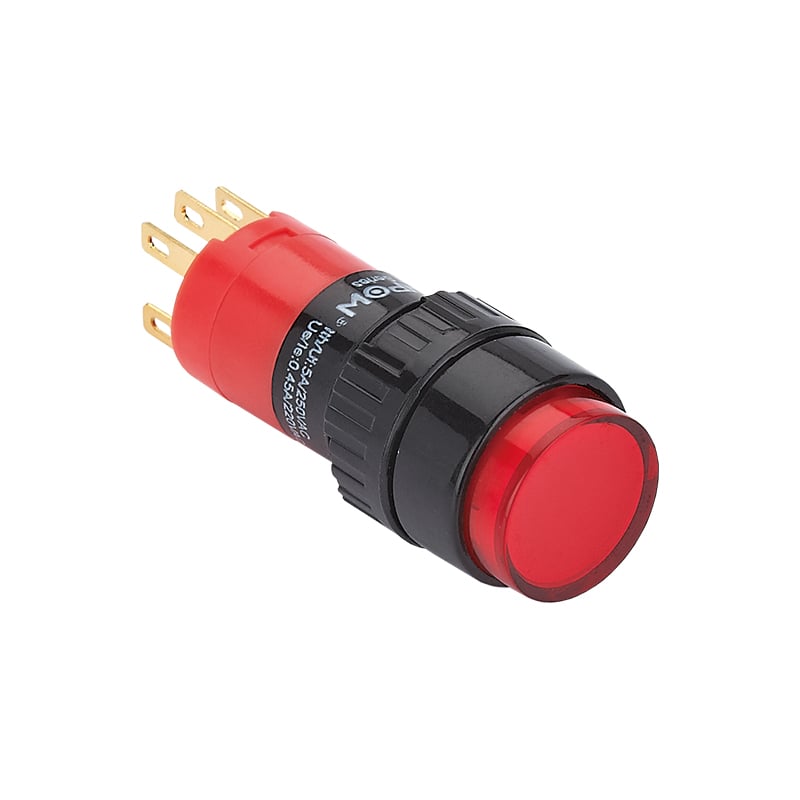
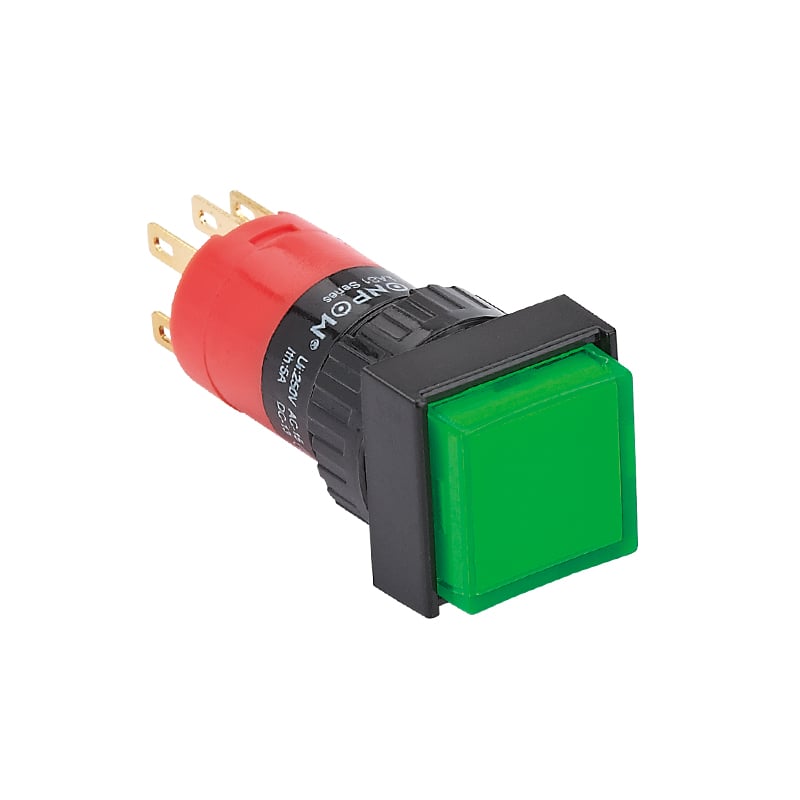
Il ONPOW LAS1 series product page provides a product reference for a supplier inquiry. The photographs in this guide identify product examples only. They do not disclose a resin formulation, show a DMA experiment or establish a modulus for any particular ONPOW configuration.
Separate the curves before comparing them
Il University of Florida’s DMA overview distinguishes storage modulus, associated with elastic energy storage, from loss modulus, associated with energy dissipation. A report may also present a damping ratio. These outputs describe related aspects of the response, but they are not interchangeable labels for one stiffness value.
Read the legend, axis units and test mode carefully. A modulus from a tensile or bending configuration should not be casually compared with a shear result bearing a different symbol. If the report uses abbreviations without definitions, ask the laboratory to identify the plotted quantity. A buyer should be able to describe what each curve represents without guessing from its color.
Do not choose the curve with the most favorable appearance and ignore the others. Ask which output addresses the agreed requirement and why. For example, a material comparison about stiffness should not be decided solely by a damping peak. The intended function and the method need to be connected in the engineering review.
Match frequency, temperature and deformation conditions
Il University of Copenhagen’s rheology guidance describes measurements as functions of temperature, time, frequency and strain amplitude. This is why two curves from the same material can differ without either report being wrong. The conditions are part of the result, not administrative details to omit from a summary.
For a temperature sweep, request the frequency and heating or cooling program. For a frequency sweep, request the temperature and the deformation settings. If two laboratories used different conditions, ask whether a direct comparison is justified. Do not remove the condition labels when copying a graph into a purchasing presentation.
The specimen also matters. Record geometry, dimensions, orientation and the loading fixture. A report using one deformation mode should not be silently substituted for a requirement written around another. If the laboratory recommends a different arrangement because of the part’s size or shape, obtain the reasoning before testing and record how the comparison will be interpreted.
Check the comparison file systematically
The table below is a proposed document review checklist. It uses the measurement distinctions explained by the university references above and adds purchasing controls to keep results traceable. It is not a set of universal numerical acceptance limits.
| Voce di confronto | Informazioni necessarie | Domanda per il revisore |
|---|---|---|
| Identità del materiale | Declared grade, sample source and batch | Does the specimen represent the ordered component? |
| Specimen geometry | Dimensions, orientation and preparation | Are the samples comparable? |
| Deformation mode | Fixture and loading arrangement | Are the plotted moduli the same type? |
| Oscillation conditions | Frequency and amplitude or control settings | Were both materials examined under matched conditions? |
| Storia termica | Conditioning and temperature program | Could preparation explain the difference? |
| Data interpretation | Full curves, units and transition criterion | Does the conclusion follow from the actual measurement? |
| Application decision | cURL Too many subrequests by single Worker invocation. To configure this limit, refer to https://developers.cloudflare.com/workers/wrangler/configuration/#limits | cURL Too many subrequests by single Worker invocation. To configure this limit, refer to https://developers.cloudflare.com/workers/wrangler/configuration/#limits |
cURL Too many subrequests by single Worker invocation. To configure this limit, refer to https://developers.cloudflare.com/workers/wrangler/configuration/#limits.
Read a transition temperature with its stated criterion
cURL Too many subrequests by single Worker invocation. To configure this limit, refer to https://developers.cloudflare.com/workers/wrangler/configuration/#limits.
cURL Too many subrequests by single Worker invocation. To configure this limit, refer to https://developers.cloudflare.com/workers/wrangler/configuration/#limits.
cURL Too many subrequests by single Worker invocation. To configure this limit, refer to https://developers.cloudflare.com/workers/wrangler/configuration/#limits cURL Too many subrequests by single Worker invocation. To configure this limit, refer to https://developers.cloudflare.com/workers/wrangler/configuration/#limits. cURL Too many subrequests by single Worker invocation. To configure this limit, refer to https://developers.cloudflare.com/workers/wrangler/configuration/#limits.
Keep specimen stiffness separate from button behavior
cURL Too many subrequests by single Worker invocation. To configure this limit, refer to https://developers.cloudflare.com/workers/wrangler/configuration/#limits.
This distinction is particularly important when a buyer asks whether a button will feel firmer, remain fixed in a panel or survive a particular number of operations. Those questions involve the assembled design and its actual conditions. Ask for configuration-specific evidence rather than translating one DMA value into a guaranteed field outcome.
Il plastic compression report guide addresses another type of mechanical evidence. A compression curve and a DMA curve may complement an investigation, but their reported quantities and test conditions differ. Keep the acceptance criteria tied to the method that was actually specified.
Investigate unlike curves without assuming material substitution
When reports disagree, first check that both identify the same declared material and sample source. Then compare preparation, specimen dimensions, frequency, thermal program and the plotted quantity. A well-organized review can separate a measurement mismatch from an unexplained material difference before the purchasing team escalates the issue.
Ask the laboratories to state whether the datasets are directly comparable. If they are not, define a matched comparison using authenticated samples and a shared protocol. Preserve the original reports so the reason for the new work remains visible. Replacing the old graphs with new ones without an explanation weakens the investigation record.
If the difference persists under an agreed comparison, request a technical explanation from the supplier and laboratory. The explanation may justify further material identification or a separate functional assessment. Avoid declaring that a particular ingredient changed unless the evidence actually supports that conclusion. DMA alone should not be used to reconstruct an undisclosed formulation.
Write a useful purchase specification and inquiry
A useful request identifies the product configuration, the plastic component of interest and the decision required. Attach the drawing revision or approved sample reference. State whether the request concerns routine comparison, a proposed material change or an investigation. Ask the laboratory to recommend a suitable setup and explain the limits before you agree to the work.
For comparative purchasing, specify which conditions must remain matched and how deviations will be documented. Request the complete curves, individual specimen information and the basis for any summarized value. A single cropped graph or a statement that the material passed DMA does not explain what was measured or what criterion was applied.
Set the acceptance rule with the responsible engineer. There is no universal modulus or damping value that approves every push button application. If the report is intended only to support a material review, record that scope. Keep unresolved equipment requirements visible so a material comparison cannot accidentally become a complete product approval.
Preserve the evidence for future orders
Store the report, supplier declaration, specimen records and final disposition under the same order or material-change reference. Include the agreed comparison conditions and any deviations. This makes a later review more useful than a folder containing graphs whose sample identity and measurement settings have been forgotten.
When accepting a proposed alternative, state exactly what was accepted and what remains unchanged in the purchasing requirement. A material comparison may be one condition of approval while functional verification remains open. Communicate those boundaries to both the supplier and receiving team to prevent a partial approval being treated as unconditional acceptance.
For a new inquiry, send ONPOW the exact configuration and required evidence. Ask which documents are available for that ordered item and which additional evaluation would need agreement. This connects the analytical question to a real product without assuming that a generic material test establishes complete switch performance.
For the wider evidence review, use the guida all'ambito di accreditamento del laboratorio to check which activities a laboratory document actually covers. Keep the accreditation review separate from acceptance of the specific material result.
Domande frequenti
Are storage modulus and loss modulus the same thing?
No. They describe different aspects of the oscillating response. Check the definitions, units and deformation mode in the report before choosing which result addresses the purchasing question.
Can two DMA reports be compared at different frequencies?
Only with a justified interpretation. Frequency is part of the measurement conditions, so a direct numerical comparison should not assume that unlike settings produce equivalent results.
Does a DMA transition temperature define the switch temperature rating?
No. A specimen transition does not establish the operating limit of an assembled switch. The exact configuration and its functional requirements need their own verified evidence.
Can DMA replace a mechanical life test?
No. An oscillating material specimen does not reproduce a complete button’s operating mechanism. Use configuration-specific endurance evidence for a requirement about operating cycles.
Approfondimenti
NPTEL IIT Kharagpur explains dynamic mechanical analysis, oscillating response and the interpretation of storage and loss modulus. This is educational context, not a product test.