

When selecting an electromechanical switch, one technical specification is easy to overlook: switch life.
You may come across terms such as mechanical life, electrical life, mechanical endurance, and electrical endurance in a datasheet. Although they may sound similar, they describe two different aspects of switch performance.
Understanding the difference is important because a switch with a high mechanical life does not necessarily have the same electrical life.
Here is what you need to know before selecting a switch.
Mechanical Life vs Electrical Life | The Quick Difference
The simplest way to understand the difference is:
Mechanical life refers to the maximum number of physical operating cycles a switch can complete while maintaining its mechanical function.
Electrical life refers to the number of switching cycles a switch can reliably complete under specified electrical load conditions.
In simple terms, mechanical life focuses on the physical mechanism inside the switch, while electrical life focuses on its ability to switch an electrical circuit under an actual load.
What Is Mechanical Life?
Mechanical life is the total number of operating cycles a switch can complete without losing its basic mechanical function.
During a mechanical life test, the switch is operated repeatedly under specified conditions. An electrical load is not necessarily applied during the test.
The test mainly evaluates components and functions such as:
- Actuator movement
- Spring return mechanism
- Contact movement
- Latching or momentary mechanism
- Housing and return structure
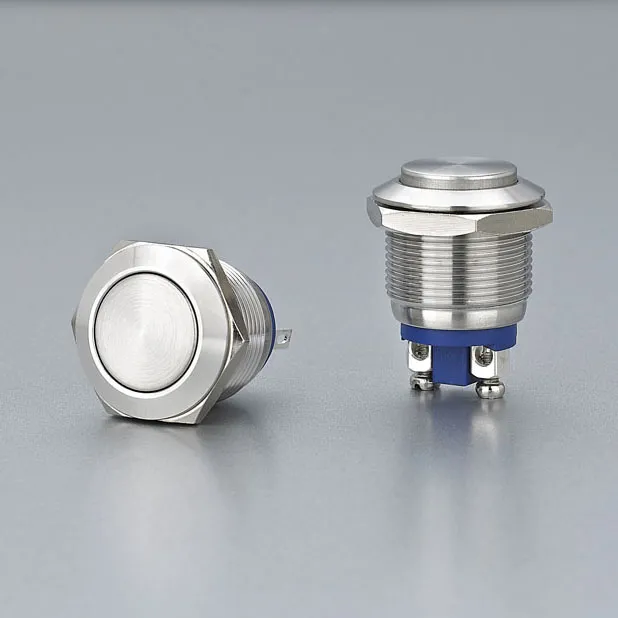
For example, the GQ19 series has a mechanical life of up to 1,000,000 operations. This means it can withstand approximately one million physical operating cycles under the manufacturer’s specified test conditions.
What Is Electrical Life?
Electrical life refers to the number of switching cycles a switch can complete while making and breaking an energized electrical load.
This type of testing is different because electrical current and voltage directly affect the switch contacts.
When contacts open and close under load, several things can occur:
- Electrical arcing may occur.
- Contact surfaces can wear.
- Contact resistance may increase.
- Contact materials can gradually deteriorate.
- Eventually, the switch may no longer provide reliable electrical switching performance.
The greater the electrical load, the greater the potential stress and wear on the contacts.
For example, the GQ19 series has an electrical life of 50,000 cycles, which is significantly lower than its mechanical life. This is because switching electrical current causes additional wear and stress on the contacts.
Why Are Mechanical Life and Electrical Life Different?
The main reason is contact wear.
Imagine pressing a button when the switch is not connected to an electrical circuit. The internal mechanism still moves, the spring returns to its position, and the contacts move back and forth.
Once the switch is connected to an electrical load, however, every switching operation places additional stress on the contacts. In demanding conditions, this can result in electrical arcing, heat, and contact erosion.
Mechanical Life vs Electrical Life | Key Takeaways
The difference is straightforward:
Mechanical life: How many times the physical mechanism of a switch can be operated.
Electrical life: How many times the switch can reliably make and break an electrical circuit under specified load conditions.
ONPOW push button switches are available in a variety of configurations, with different life ratings across different series to meet the requirements of various applications and operating conditions.



