

A push button recyclable claim needs evidence about the exact item, the recovery process and an available collection route. A metal housing or a recyclable plastic designation does not establish that an assembled switch will be accepted or successfully processed. Before adding such a statement to a purchasing specification, identify whether it covers the whole switch, a removable part or its packaging. Then request supporting information from the supplier and intended waste contractor. This guide helps industrial buyers organize that review; it does not declare any ONPOW model recyclable or provide a universal disposal instruction.
Start with the wording and the physical item
Copy the supplier’s proposed wording into the procurement record before interpreting it. A statement about a shipping carton can easily become a statement about the component when information moves between a quotation, a distributor listing and a customer’s sustainability questionnaire. Record the model, configuration, document revision and sales territory alongside the claim. If the supplier cannot identify the object covered, request clarification before comparing bids.
For example, the GQ12-A product page can help establish the identity of a switch offered for a panel project. Its product photograph is useful for matching the ordered assembly. Neither the appearance of the actuator nor a metal finish demonstrates the composition of every internal part. Keep identification documents separate from evidence supporting an environmental statement.
Also distinguish a future capability from a result already achieved. A statement that an approved contractor accepts a particular waste stream describes an available route. A certificate for a collected shipment records an event. Neither automatically establishes the recovery yield of every material within every switch, and neither should be converted into a percentage without an appropriate calculation and boundary.
Understand what the public guidance actually addresses
The FTC Green Guides summary explains that environmental marketing statements need appropriate qualifications. Its discussion of recyclable claims considers access to recycling facilities, rather than material chemistry alone. This is US marketing guidance, not a universal industrial-waste classification system. A buyer exporting equipment should separately review the rules and audience in the destination market.
The ASA guidance on recycling claims similarly emphasizes supporting evidence and avoiding exaggeration about which portions can be recycled or how easy the process is. It also discusses electrical products requiring specialist routes. These two sources support a practical purchasing question: can the recipient actually follow the proposed route for the item being supplied? They do not certify a switch or establish an ONPOW recovery process.
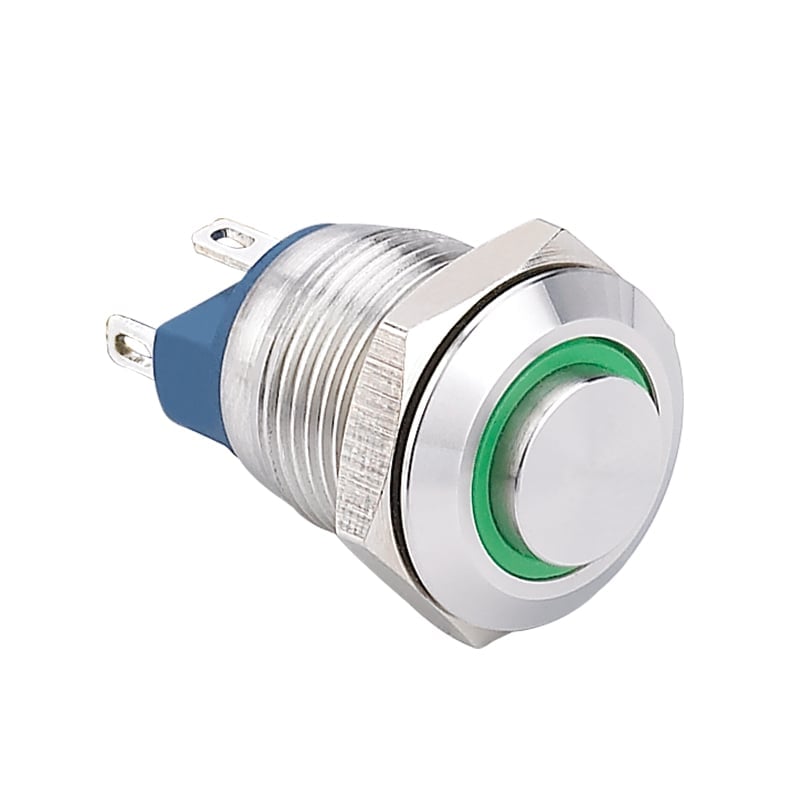
Build a component and route evidence table
Ask for enough assembly information to understand the scope without demanding that a supplier reveal confidential manufacturing details. A controlled declaration may identify relevant material families and limitations while a contractor independently confirms acceptance. Where detailed information is confidential, define who can review it and how the purchasing decision will be documented. A blank field should remain unresolved rather than becoming an assumed pass.
| Review item | Evidence to request | Purchasing decision supported |
|---|---|---|
| Claim boundary | Exact statement and covered model or package | Prevent a carton claim becoming a switch claim |
| Material scope | Identified parts and documented limitations | Understand what portion the evidence covers |
| Collection route | Named operator and current acceptance conditions | Check that the proposed route is accessible |
| Preparation | Written separation and contamination requirements | Determine whether the waste stream can be supplied correctly |
| Processing result | Relevant treatment records and calculation boundary | Avoid unsupported whole-product recovery percentages |
| Change control | Revision owner and review triggers | Keep approval tied to the ordered configuration |
This table is a procurement workflow derived from the scope and evidence principles above. It contains no assumed recycling yields. It should be adapted to the waste contractor, market and equipment project rather than used as a certification checklist.
Check acceptance before discussing theoretical recoverability
Send the contractor an accurate description of the retired item. Describe whether it arrives as loose switches, switches attached to a panel, a complete machine or mixed maintenance waste. Mention attached cables, labels and any known contamination using the supplier’s verified information. A contractor accepting clean metal scrap may have a different policy for mixed electrical assemblies. Obtain an answer for the actual stream rather than relying on a general website statement.
Record practical restrictions as well as technical ones. A minimum collection quantity, geographical service area or customer-account requirement can make an otherwise real service unavailable to a small maintenance site. A multinational purchaser should not apply a route confirmed for one facility to all locations. Where acceptance depends on inspection, make that conditional status visible in the record and agree how rejected material will be handled.
The EPA electronics donation and recycling guidance provides broader context for finding appropriate electronics routes. It primarily addresses consumer electronics and does not establish that a given industrial switch belongs in a particular program. Use it to understand the importance of an appropriate outlet, then confirm industrial acceptance directly.
Keep disassembly separate from ordinary maintenance
A removable contact block, retaining nut or terminal arrangement may help an authorized organization identify parts, but it does not prove that users should dismantle the switch into raw materials. Procurement staff should ask for written end-of-life information rather than inventing a disassembly procedure from a photograph. Opening sealed assemblies may create sharp fragments, release unknown residues or destroy information needed by the treatment operator.
Equipment isolation and removal belong to the site’s approved maintenance procedure and competent personnel. A recycling instruction is not permission to work on an energized control panel. Decide whether the contractor wants the complete component or separated fractions before specifying extra labor. Unnecessary separation can make traceability worse if small unidentified pieces are mixed with unrelated scrap.
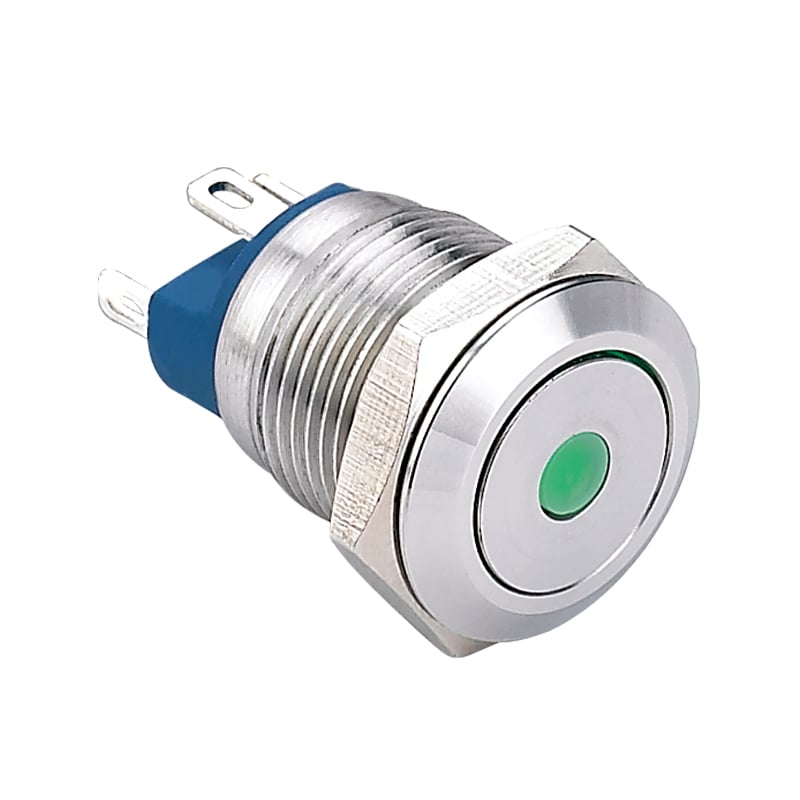
Photographs of the supplied assembly can support this discussion. They show the external construction and help the contractor distinguish a loose switch from a complete control station. They cannot reveal hidden polymer grades, adhesives or the destination of recovered fractions. If the contractor needs more detail, obtain controlled supplier information instead of inferring it from the image.
Separate recyclability from other environmental statements
Recycled content concerns material input to production. Recyclability concerns an end-of-life route and the conditions supporting a claim. A component can contain recycled material without being accepted in the buyer’s local stream, and an accepted item need not contain recycled feedstock. Use the separate recycled-content claim review when checking input percentages and their evidence.
Likewise, an environmental or materials declaration may describe a defined information boundary without establishing a collection program. Keep the material-declaration data review focused on the information it actually covers. Do not treat a low modeled impact as proof that the finished switch is locally recyclable. Environmental indicators answer different questions and should remain separate in purchasing comparisons.
A materials declaration or restricted-substance statement also has its own purpose. It can supply information relevant to responsible handling, but it does not replace contractor acceptance or demonstrate a processing yield. The broader laboratory accreditation scope guide explains why evidence must match the specific question. Apply the same discipline to a recyclability statement without assuming that every supporting document must be a laboratory report.
Evaluate a supplier response without inventing a rating
Consider an illustrative response: a supplier identifies a metal housing and says that the product is recyclable, but provides no receiving facility or preparation requirements. That response establishes a topic for further investigation, not a completed approval. Ask whether the claim covers only the housing and whether a qualified route accepts the full assembly in the market where it will become waste. Retain the original wording so later clarification is traceable.
A stronger response identifies the item, limits the claim to a documented scope and provides current acceptance information. Even then, assess whether the route is accessible to your facility and whether the proposed public wording accurately communicates limitations. Do not award an invented environmental score simply because more documents were supplied. Use a defined review status such as accepted for this project, clarification required or not substantiated.
For a tender, ask all suppliers the same bounded questions. Request the claim text, scope, supporting document revision, route owner and unresolved conditions. Allow a supplier to state that it is not making a recyclability claim. That answer can be more useful than an unsupported statement and need not prevent evaluation of the switch’s electrical or mechanical suitability.
Maintain the record through purchasing and retirement
Link the approved evidence to the purchase order and model configuration. If a supplier changes an assembly or a contractor changes its acceptance rules, reopen the environmental review before reusing the claim. Procurement approval should not become permanent simply because the electrical function remains unchanged. Schedule a review interval that reflects the contract and the stability of the proposed route.
At retirement, record what was actually transferred, to whom and under which acceptance conditions. Keep collection evidence distinct from modeled recovery estimates. If the final route differs from the original plan, update the project record and any reporting that depended on it. For an ONPOW enquiry, request the exact model and available construction documentation first; then coordinate end-of-life questions with the competent waste operator for your location.
Frequently asked questions
Does a metal push button automatically qualify as recyclable?
No. Visible metal identifies only part of the assembly. The claim needs a defined scope and evidence about an appropriate recovery route, including acceptance of the actual item in the intended market.
Can a packaging recycling statement cover the switch inside?
No. Identify the package and switch separately. If the evidence addresses only the shipping material, keep the statement limited to that material and do not transfer it to the electrical component.
Is recycled content evidence enough to establish recyclability?
No. Recycled content describes production inputs, whereas recyclability concerns end-of-life conditions. Review each claim against its own supporting evidence and avoid substituting one for the other.
What should a buyer request when the supplier has no recycling percentage?
Ask for the claim boundary, assembly identification and available end-of-life information. Confirm contractor acceptance separately. Leave unsupported percentages unreported rather than calculating them from appearance or assumed material composition.
Further learning
United Nations presents a historical report on electronic-waste collection and treatment in China. It illustrates why an actual recovery route matters; its historical statistics are not current market data and it does not verify recyclability of any ONPOW product.



