

Wybieranie przełącznik przyciskowy do łodzi chodzi w mniejszym stopniu o znalezienie przycisku oznaczonego napisem “wodoodporny”, a bardziej o udowodnienie, że kompletny panel przetrwa narażenie na działanie czynników zewnętrznych i pozostanie zdatny do użytku. Stanowisko sterownicze, kokpit lub panel zewnętrzny mogą być wystawione na działanie mgły solnej, mycia strumieniem wody, kondensacji, wibracji oraz powtarzających się cykli zwilżania i suszenia. Pierścień ozdobny przełącznika, uszczelka, panel, zaciski i wiązka przewodów tworzą jedną instalację; stopień ochrony na przedniej części przełącznika nie kwalifikuje automatycznie całego zespołu. Szerszy kontekst produktu można znaleźć w Kategoria przełączników przyciskowych ONPOW.
Skorzystaj z tego przewodnika, aby przygotować zapytanie ofertowe (RFQ). Zapewnia on, że kwestie korozji morskiej, wnikania wody oraz roszczeń dotyczących certyfikacji pozostaną specyficzne dla danego modelu, a niewiadome przekształca w wezwania do przedstawienia dowodów.
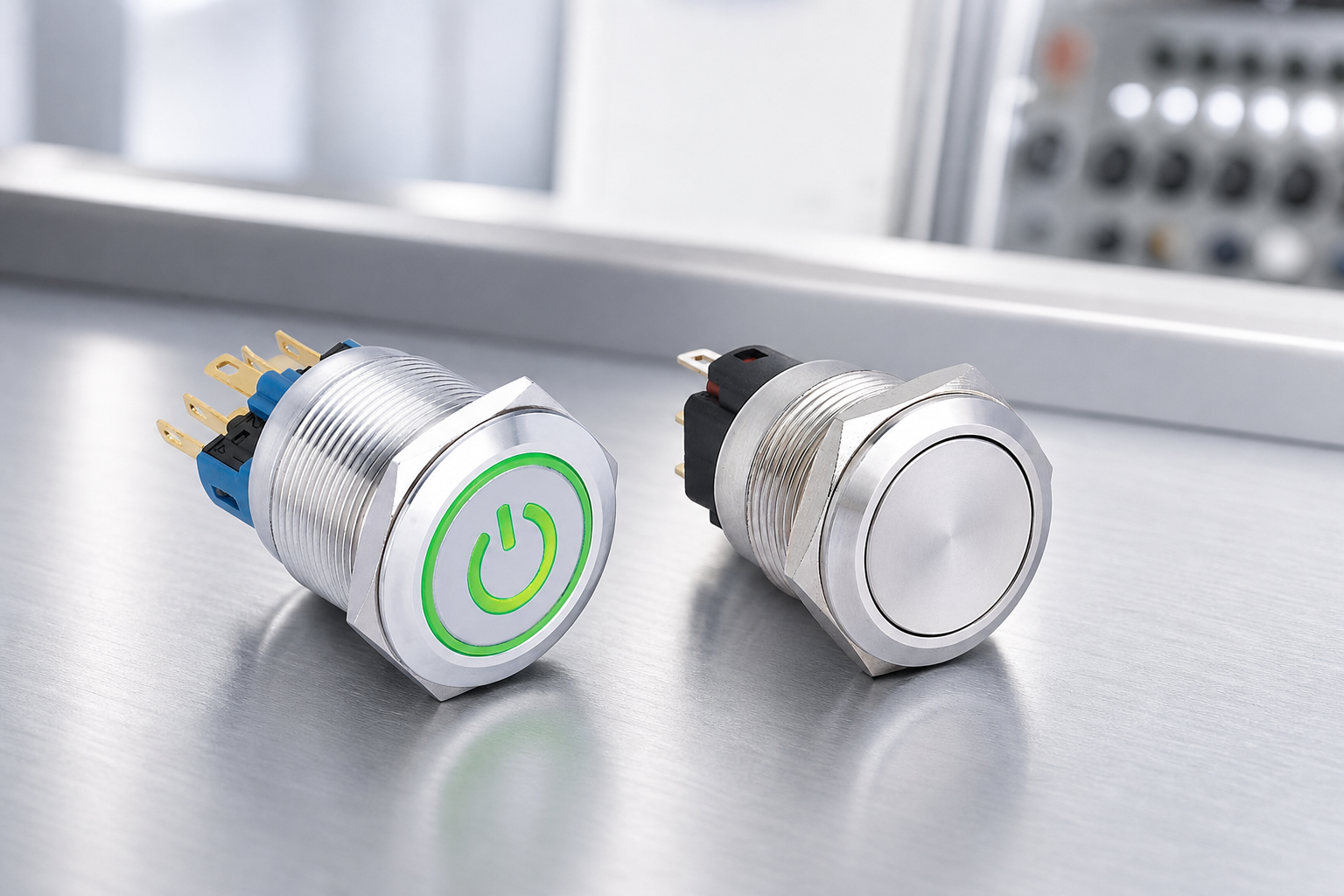
Kontekst aplikacji – nie stanowi potwierdzenia kwalifikacji morskich.
1. Zdefiniuj zadanie panelu łodzi przed wybraniem przycisku
Zarejestruj, co operator powinien poczuć i co powinien zrobić obwód:
| Decyzja | Zapytanie ofertowe | Dlaczego to ma znaczenie |
|---|---|---|
| Operacja | Chwilowy lub bistabilny/zatrzaskowy; działanie resetujące | Polecenie helm oraz utrzymywana funkcja oświetleniowa mają różne oczekiwania dotyczące awaryjności i serwisowania. |
| Obwód | NO, NC lub przełączany; wejście sterujące lub bezpośrednie obciążenie | Układ styków i rodzaj obciążenia muszą być zgodne z architekturą sterowania. |
| Praca elektryczna | napięcie stałe, prąd stały/udarowy, rodzaj obciążenia, częstotliwość łączeń | Aktualny katalog jest ważny tylko pod warunkiem podanych warunków napięcia, AC/DC oraz cyklu pracy. |
| Interfejs człowiek-komputer | Rozmiar ramki, skok siłownika, podświetlenie i opis | Użycie rękawic, widoczność w nocy i odstępy między panelami wpływają na praktyczny wybór. |
Norma IEC 61058-1 jest przydatnym odniesieniem w zakresie terminologii dotyczącej parametrów znamionowych przełączników, jednak to wiersz w arkuszu danych dla wybranego modelu oraz rzeczywiste obciążenie prądem stałym (DC) pozostają decydującym dowodem.
2. Odwzoruj rzeczywiste narażenie: oprysk to nie to samo co zanurzenie
Opisz, gdzie znajduje się panel i co do niego dociera:
- Hełm pod pokrowcem: okazjonalny spray i kondensacja; zwróć uwagę, czy woda może gromadzić się na ramce.
- Otwarty kokpit deszcz, spłukiwanie i promieniowanie UV; zarejestrować kierunek węża, środki czyszczące i drogę odpływu.
- Panel zewnętrny lub nadświetla: bezpośredni spray solny oraz cykle mokro/sucho; zidentyfikuj wentylację tylną i drogi rozbryzgu.
- Obszar zęzy lub w pobliżu silnika: wilgoć, mgła olejowa, wibracje i ciepło; dla każdego z tych czynników należy przedstawić dowód kompatybilności.
Poproś dostawcę o podanie orientacji testowej, informacji o ochronie wyłącznie od przodu w porównaniu z pełną ochroną łącznika, założeń dotyczących łącznika współpracującego/uszczelek oraz wszelkich ograniczeń dotyczących wielokrotnego mycia strumieniowego. Kod IP to klasyfikacja zgodnie z normą IEC 60529; nie jest to ogólne zapewnienie odporności na korozję ani wodoszczelności na poziomie całego systemu.
3. Uwzględnij wyraźne dowody na korozję i działanie mgły solnej
“Określenia ”nierdzewny“ lub ”morski” w specyfikacji to za mało, aby przewidzieć trwałość użytkową. Umieść w zapytaniu ofertowym (RFQ) następujące pytania:
| Wniosek o dowody | Akceptowalny format odpowiedzi | Nie wyciągaj wniosków |
|---|---|---|
| Materiały zwilżane i wykończenie pierścienia, tulei, nakrętki i zacisków | Materiał/wykończenie według numeru części; uwagi dotyczące różnych metali | “Nierdzewny” oznacza odporny na korozję w każdym środowisku zasolonym |
| Test w komorze solnej lub cykliczny test korozyjny | Wydanie standardowe, konfiguracja wzorcowa, czas ekspozycji, kryteria akceptacji oraz raport | Godzina testowa równa się obietnicy trwałości łodzi |
| Przepisy dotyczące kontroli galwanicznej | Powłoka, materiały uszczelek/podkładek oraz zalecany materiał panelu | Każda kombinacja stali nierdzewnej i aluminium jest automatycznie bezpieczna |
| Ekspozycja na środki czystości | Zatwierdzone środki chemiczne oraz instrukcje płukania/suszenia | Środki czystości gospodarstwa domowego są uniwersalnie kompatybilne |
Norma ASTM B117 opisuje kontrolowaną metodę badania w mgle solnej; wynik ma znaczenie tylko w powiązaniu z badaną próbką i zakresem kryteriów zaliczenia/niezaliczenia. Należy zażądać raportu dla konkretnego modelu, wykończenia i opcji zacisków. Jeśli raport nie istnieje, należy oznaczić kwalifikację pod kątem korozji otwarte i zaplanuj test aplikacji.
4. Sprawdź uszczelnienie jako pakiet instalacyjny
Sprawdź uszczelnienie na każdym połączeniu, a nie tylko na siłowniku:
- średnica i kształt otworu w panelu;
- zakres grubości paneli i płaskość;
- miejsce montażu i ściskanie uszczelki między ramką a panelem;
- uszczelka tylnego bagażnika, złącza lub wprowadzenia przewodu;
- odwodnienie i usytuowanie, aby woda nie mogła zalegać;
- moment dokręcania i kolejność montażu nakrętki, podkładki i uszczelki.
Strona produktu Blue Sea 8374 jest użytecznym przykładem języka przypisanego do konkretnego modelu: podaje ona stopień ochrony IP66 dla przodu tego panelu i wskazuje na zastosowanie na flybridge'u/w otwartym kokpicie. Oświadczenie to nie może zostać przeniesione na przycisk ONPOW ani na panel niestandardowy. Poproś o dokładny kod IP, kierunek testu, czas trwania oraz informację, czy stopień ochrony obejmuje zmontowany przełącznik, złącze i panel.
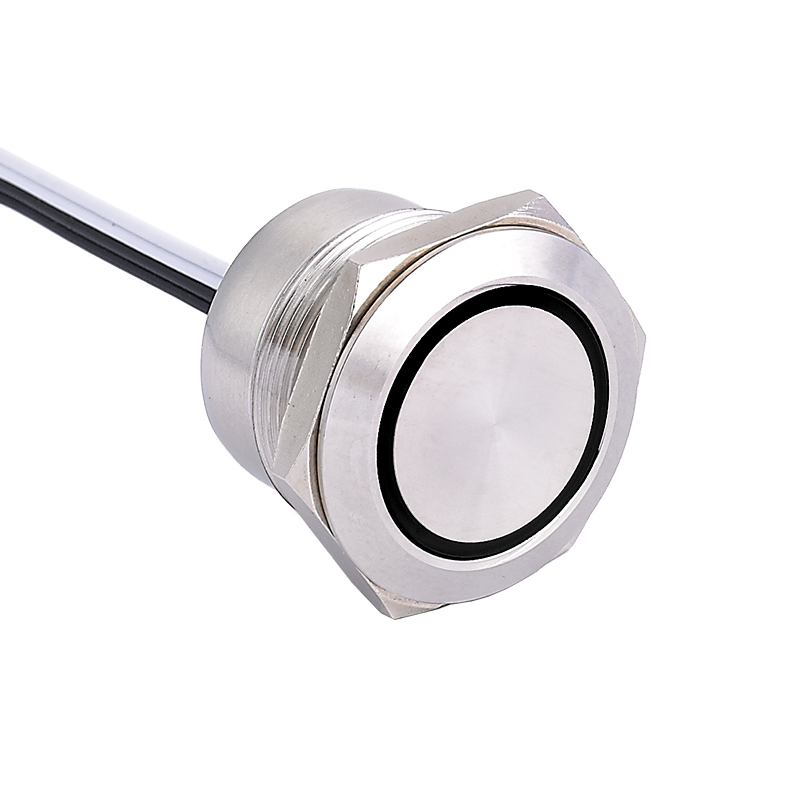
Użyj obrazu jako zachęty do układu; pobierz wymiary wycięcia i uszczelki wybranego modelu z jego rysunku.
5. Sprawdź wycięcie, zaciski tylne i dostęp serwisowy na rysunku
Poproś o rysunek z wymiarami przed obróbką panelu łodzi. Potwierdź:
- Średnica otworu wyciętego, element zabezpieczający przed obrotem oraz odległość od krawędzi.
- Zakres grubości panelu, naddatek na uszczelkę oraz zestaw nakrętki i podkładki.
- Głębokość tylnej części korpusu, orientacja zacisków oraz minimalny promień gięcia wiązki przewodów.
- Miejsce na narzędzie, zwolnienie złącza i pętlę ociekową.
- Ścieżka dostępu do wymiany bez demontażu niepowiązanego sprzętu steru.
W przypadku programu wymiany należy dołączyć zdjęcie tylnej strony oraz rysunek warsztatowy (1:1) z wycięciem. Przycisk pasujący do przedniego otworu może nadal nie pasować, ponieważ blok zacisków koliduje z wspornikiem lub nie pozostawia luzu serwisowego.
6. Określ warunki eksploatacji, a nie tylko pierwszej instalacji
Poinstruuj dostawcę, w jaki sposób technicy będą konserwować panel: oczekiwany okres między wymianami, dostęp od przodu/tyłu, złącza wtykowe czy zaciski śrubowe, identyfikacja części zamiennych oraz informacja, czy armator może płukać panel. Poproś o podanie rodzaju powłoki zacisków, instrukcji dokręcania, zakresu przekrojów przewodów oraz dostępności części uszczelniających w zależności od modelu. Jeśli uszczelka jest elementem eksploatacyjnym, poproś o podanie numeru katalogowego części zamiennej oraz procedury montażu.
7. Pola zapytania ofertowego gotowe do skopiowania
tekst

Lokalizacja i orientacja łodzi/panelu:

Narażenie: spray / deszcz / zmywanie / kondensacja / ryzyko zanurzenia / promieniowanie UV:

Środki czyszczące i proces płukania:

Działanie: chwilowe / bistabilne; NO / NC / przełączne:

Napięcie obwodu (DC), prąd stały, typ rozruchu/obciążenia, tryb pracy:

Wymagania dotyczące oświetlenia i legendy:

Materiał panelu, grubość, wycięcie i element zapobiegający obracaniu:

Dostępna głębokość z tyłu oraz dostęp do zacisków/wiązki kablowej:

Wymagane dowody: rysunek, zakres testów IP, materiał/wykończenie, raport z badań korozyjnych,

 certyfikacja (podaj dokładną normę/rynek), części serwisowe:

Liczba prototypów, plan testów środowiskowych i kryteria akceptacji:
Wykorzystaj rodzinę przycisków metalowych jako punkt wyjścia do zapytania ofertowego (RFQ)
Rodzina metalowych przycisków sterujących ONPOW jest odpowiednią kategorią początkową dla montowanego na desce rozdzielczej sterowania łodzią. To robi nie samodzielnie uzyskać certyfikat morski, odporność na mgłę solną, określoną klasę szczelności IP lub zmieścić się w Twoim panelu. Prześlij powyższe pola zapytania ofertowego (RFQ) i poproś firmę ONPOW o wskazanie dokładnego modelu, materiału/wykończenia, konfiguracji uszczelki i wyprowadzeń, a następnie przeanalizuj dostarczone rysunki i raporty przed zatwierdzeniem.
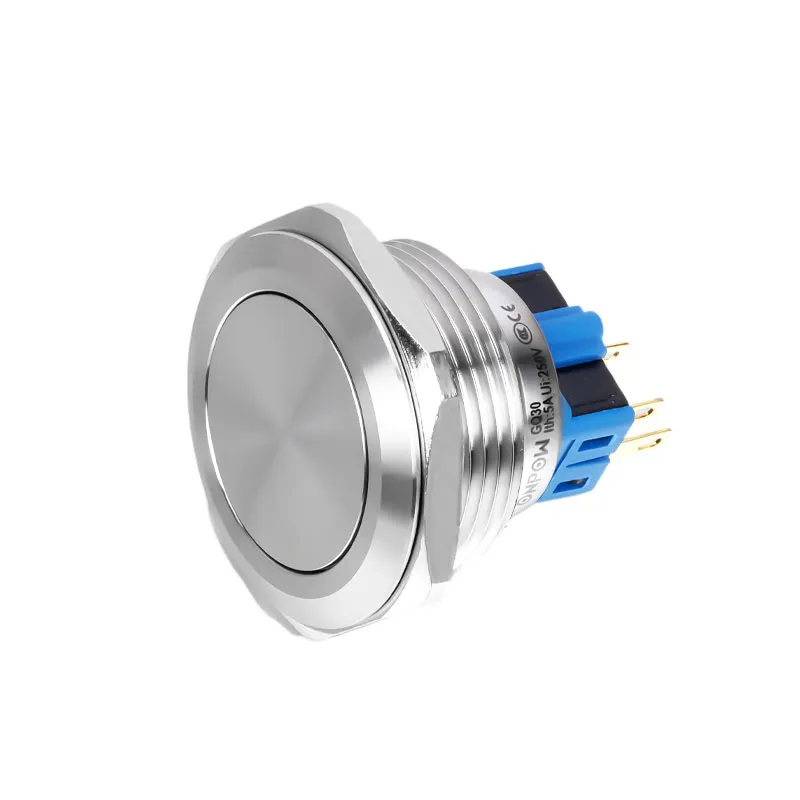
Tylko rodzina produktów kandydujących; zweryfikuj dowody specyficzne dla modelu pod kątem instalacji na statku.
Bibliografia
- IEC 60529 — Stopnie ochrony zapewniane przez obudowy (Kod IP) — znaczenie i zakres testów klasyfikacji IP.
- IEC 61058-1 — Przełączniki do urządzeń (lub: Wyłączniki do urządzeń) — terminologia i warunki zmiany taryfy.
- ASTM B117 — Obsługa aparatu do badania w mgle solnej — zakres metody i dlaczego szczegóły testu mają znaczenie.
- Panel Blue Sea 8374 Contura — przykład sformułowania przedniego stopnia ochrony (IP) dla konkretnego modelu oraz zastosowania panelu morskiego.
- artykuł dotyczący wodoodpornych przycisków ONPOW — sprawdzono kontekst miejsca pod kątem pokrywania się; brak niezależnych kwalifikacji morskich.
- Rodzina metalowych przełączników przyciskowych ONPOW — odpowiednia ścieżka produktu dla zapytania ofertowego (RFQ) opartego na dowodach.



