

1. Definicja i podstawowa zasada
A Przełącznik DIP to zestaw miniaturowych przełączników elektronicznych obsługiwanych ręcznie. Przesuwając małe suwaki (lub dźwigienki), każdy przełącznik można ustawić na ON stan (zazwyczaj reprezentujący “1”) lub WYŁĄCZONY stan (zwykle reprezentujący “0”).
Gdy wiele przełączników jest ułożonych obok siebie, tworzą kombinację kodu binarnego, która jest powszechnie używana do ustawienie parametrów, konfiguracja adresu lub wybór funkcji w urządzeniach elektronicznych.
2. Kluczowe cechy
Regulowany fizycznie:
Nie jest wymagane żadne oprogramowanie ani programowanie. Konfiguracja zmienia się poprzez proste ręczne przełączanie, co czyni ją intuicyjną i niezawodną.
Utrzymanie stanu:
Po ustawieniu stan przełącznika pozostaje niezmieniony do momentu ponownej ręcznej zmiany i nie ma na niego wpływu zanik zasilania.
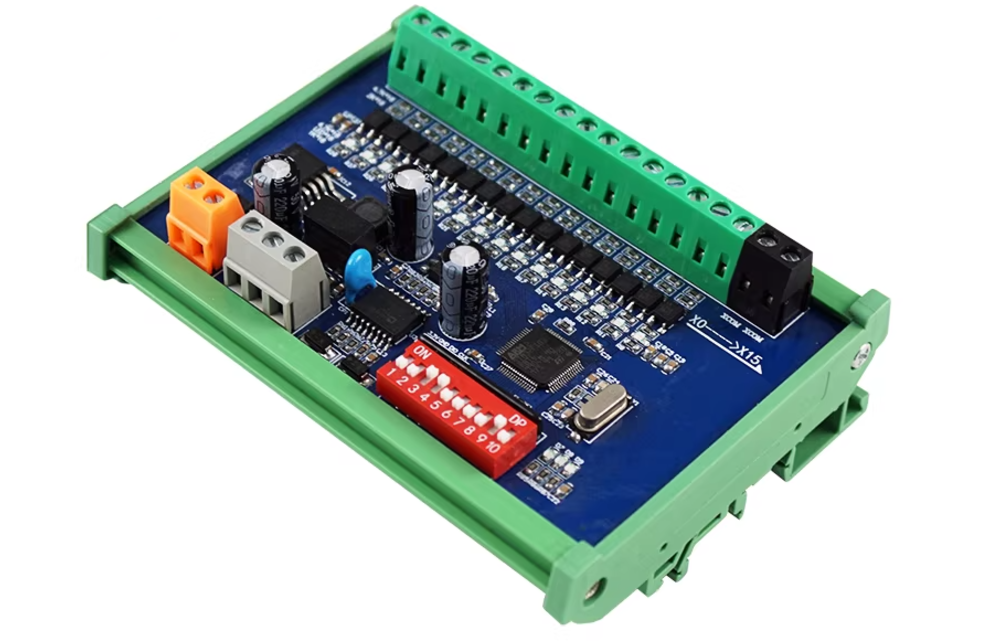
Prosta struktura:
Zazwyczaj składa się z plastikowej obudowy, przesuwnych elementów uruchamiających lub dźwigni, styków oraz metalowych kołków. Ta prosta konstrukcja sprawia, że niski koszt i wysoka niezawodność.
Łatwa identyfikacja:
Na przełączniku zazwyczaj nadrukowane są wyraźne oznaczenia, takie jak “ON/OFF” lub “0/1”, co pozwala na rozpoznanie jego stanu już na pierwszy rzut oka.
3. Główne rodzaje
Sposób montażu
Typ do montażu powierzchniowego (SMD):
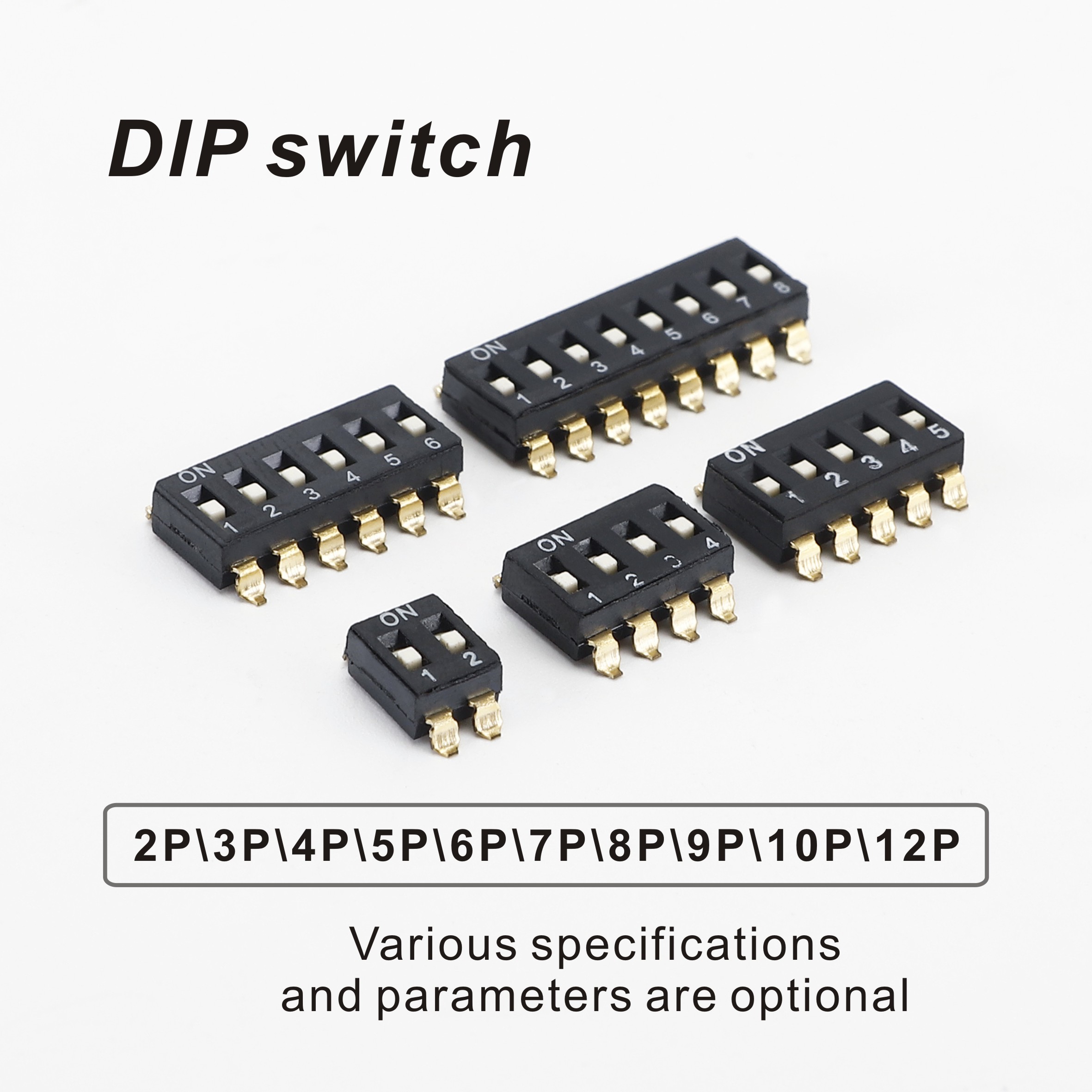
Nadaje się do zautomatyzowanej produkcji SMT, charakteryzuje się kompaktowymi wymiarami i jest szeroko stosowany w nowoczesnych urządzeniach o ograniczonej przestrzeni.
Typ z otworami przelotowymi (DIP):
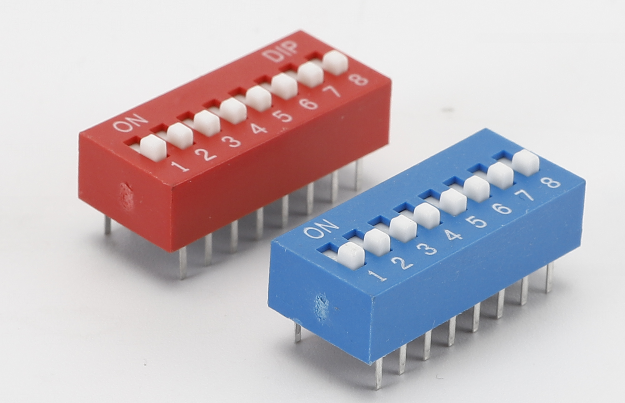
Wlutowywane w otwory przelotowe płytki drukowanej, zapewniają większą stabilność mechaniczną i są powszechnie stosowane w urządzeniach przemysłowych.
Kierunek uruchamiania
Uruchamiane z boku (przesuwane w poziomie)
Sterowanie od góry (przełączanie pionowe)
Liczba stanowisk
Do typowych konfiguracji należą 2-pozycyjny, 4-pozycyjny, 8-pozycyjny, do 10 pozycji lub więcej. Liczba przełączników określa liczbę możliwych kombinacji, która wynosi 2.
4. Specyfikacje techniczne
Prąd / napięcie znamionowe:
Zasadniczo przeznaczone do zastosowań z sygnałami o niskim natężeniu (np. 50 mA, 24 V DC), a nie do przesyłania mocy w obwodzie głównym.
Rezystancja styku:
Im niżej, tym lepiej – zazwyczaj poniżej kilkudziesięciu miliohmów.
Temperatura pracy:
Klasa komercyjna: zazwyczaj od -20°C do 70°C; wersje przemysłowe oferują szerszy zakres temperatur.
Życie mechaniczne:
Zazwyczaj przeznaczone do setki do kilku tysięcy cykli przełączania.
Scenariusze zastosowań
Dzięki swojej prostocie, stabilności i dużej odporności na zakłócenia przełączniki DIP znajdują szerokie zastosowanie w następujących dziedzinach:
1. Systemy automatyki przemysłowej i sterowania
Ustawienie adresu urządzenia:
Przydzielanie unikalnych adresów fizycznych identycznym urządzeniom (takim jak stacje podrzędne PLC, czujniki, falowniki i serwonapędy) w sieciach RS-485, magistrali CAN lub przemysłowym Ethernecie w celu zapobiegania konfliktom adresów.
Wybór trybu pracy:
Konfigurowanie trybów pracy (ręczny/automatyczny), prędkości transmisji danych, typów sygnałów wejściowych oraz innych parametrów.
2. Sprzęt sieciowy i komunikacyjny
Wstępne ustawienia adresu IP / bramy domyślnej:
Używany w wybranych modułach sieciowych, przełącznikach i transiwerech optycznych do podstawowej konfiguracji sieci.
Resetowanie routera lub bramy sieciowej:
Ukryte przełączniki DIP w niektórych urządzeniach pozwalają na przywrócenie ustawień fabrycznych.
3. Elektronika użytkowa i sprzęt komputerowy
Konfiguracja funkcji:
Stosowany na płytkach deweloperskich (takich jak Arduino czy płytki rozszerzeń do Raspberry Pi) do włączania lub wyłączania określonych funkcji.
Zworki sprzętowe:
Znajduwane na starszych płytach głównych komputerów oraz dyskach twardych do konfiguracji typu master/slave.
4. Systemy bezpieczeństwa i inteligentnego budynku
Konfiguracja linii centrali alarmowej:
Ustawianie typów linii, takich jak alarm natychmiastowy, alarm z opóźnieniem lub linie całodobowo uzbrojone.
Adresowanie jednostek domofonowych:
Przypisanie unikalnego numeru pokoju każdej jednostce wewnętrznej.
5. Elektronika samochodowa
Sprzęt do diagnostyki pojazdów:
Wybór modeli pojazdów lub protokołów komunikacyjnych.
Samochodowa elektronika akcesoryjna:
Używany do podstawowej konfiguracji w systemach informacyjno-rozrywkowych lub modułach sterujących.
6. Inne zastosowania
Wyroby medyczne:
Konfiguracja parametrów w niektórych prostych lub wyspecjalizowanych urządzeniach.
Aparatura laboratoryjna:
Wybór zakresów pomiarowych lub źródeł sygnału wejściowego.
Analiza perspektyw rynkowych
Jako dojrzały i fundamentalny komponent elektroniczny, rynek przełączników DIP charakteryzuje się “stabilny istniejący popyt, segmentowany wzrost oraz równowaga wyzwań i szans.”
1. Pozytywne czynniki i szanse
Kamień węgielny IoT i Przemysłu 4.0:
Wraz z gwałtownym wzrostem liczby urządzeń IoT, duża liczba niedrogich czujników i elementów wykonawczych wymaga bezprądowej, wysoce niezawodnej metody adresowania fizycznego. Przełączniki DIP oferują w tej roli niezrównane zalety pod względem kosztów i niezawodności.
Uzupełnienie konfiguracji opartej na oprogramowaniu:
W scenariach kładących nacisk na cyberbezpieczeństwo i stabilność systemu, fizyczne przełączniki DIP zapewniają opartą na sprzęcie metodę konfiguracji, która jest odporna na hakerstwo i awarie oprogramowania, dodając dodatkową warstwę redundancji bezpieczeństwa.
Popyt na miniaturizację i wyższą wydajność:
Nadal istnieje zapotrzebowanie na mniejsze rozmiary (np. ultra-miniaturowe typy SMD), wyższą niezawodność (wodoodporność, pyłoszczelność, szeroki zakres temperatur) oraz lepsze sprzężenie zwrotne, co napędza modernizację produktów w kierunku konstrukcji wysokiej klasy i precyzyjnych.
Penetracja nowych obszarów zastosowań:
W inteligentnych domach, dronach, robotyce i nowych systemach energetycznych przełączniki DIP pozostają aktualne wszędzie tam, gdzie wymagana jest konfiguracja na poziomie sprzętowym.
2. Wyzwania i zagrożenia substytucyjne
Wpływ konfiguracji sterowanej oprogramowaniem i inteligentnej:
Więcej urządzeń jest obecnie konfigurowanych za pomocą oprogramowania, aplikacji mobilnych lub interfejsów internetowych przy użyciu technologii Bluetooth lub Wi-Fi. Metody te są bardziej elastyczne i przyjazne dla użytkownika, stopniowo zastępując przełączniki DIP w elektronice użytkowej i niektórych produktach przemysłowych.
Ograniczenia w zautomatyzowanej produkcji:
Końcowy stan przełącznika DIP często wymaga manualnej regulacji, co jest sprzeczne z w pełni zautomatyzowanymi liniami produkcyjnymi SMT.
Sufit technologiczny:
Jako komponent mechaniczny, przełączniki typu DIP napotykają na wrodzone ograniczenia w zakresie rozmiarów fizycznych i trwałości operacyjnej, pozostawiając stosunkowo niewiele miejsca na przełomy technologiczne.
3. Przyszłe trendy
Differentiating rynkowa:
Rynek niskobudżetowy: Wysoce standaryzowany z intensywną konkurencją cenową.
Rynki luksusowe i niszowe: W zastosowaniach przemysłowych, motoryzacyjnych i wojskowych, gdzie niezawodność ma kluczowe znaczenie, popyt na wysokowydajne, odporne na warunki środowiskowe przełączniki DIP pozostaje stabilny i charakteryzuje się wyższymi marżami zysku.
Wzmocniona rola “zabezpieczenia sprzętowego”:
W systemach krytycznych przełączniki DIP będą w coraz większym stopniu służyć jako ostatnia linia obrony w konfiguracji sprzętowej, której nie można zmienić zdalnie.
Integracja z elektronicznymi technologiami przełączania:
Mogą pojawić się rozwiązania hybrydowe, łączące przełączniki DIP z interfejsami cyfrowymi do wykrywania stanu – oferujące zarówno niezawodność przełączania fizycznego, jak i wygodę monitorowania cyfrowego.
Wniosek
Przełączniki DIP nie znikną szybko w taki sposób, jak niektóre tradycyjne komponenty. Zamiast tego rynek przechodzi od komponentów ogólnego przeznaczenia do wyspecjalizowanych komponentów o wysokiej niezawodności.
W przewidywalnej przyszłości przełączniki DIP będą nadal odgrywać niezastąpioną rolę w zastosowaniach, dla których priorytetem jest niezawodność, bezpieczeństwo, niski koszt i mniejsza złożoność oprogramowania. Chociaż oczekuje się, że ogólna wielkość rynku pozostanie stabilna, struktura produktów będzie się nadal optymalizować, a przełączniki DIP o wysokiej wartości dodanej i wysokiej wydajności będą się charakteryzować lepszymi perspektywami wzrostu.



