

Кнопочный переключатель с пьезоэлектрическим элементом — это новая, передовая технология, которая навсегда изменила взаимодействие между электронными устройствами и людьми. Традиционный кнопочный переключатель имеет различные механические элементы, включая пружины и электрические контактные точки; в то время как кнопочный переключатель с пьезоэлектрическим переключателем основывается на пьезоэлектрическом эффекте — явлении, при котором определенный тип материала генерирует электрический заряд под действием механической нагрузки. Новая технология имеет множество преимуществ по сравнению с традиционными кнопками: пьезоэлектрические переключатели экологичны, долговечны и не выходят из строя, поэтому их можно использовать в экстремальных условиях. В целом, это даст читателю более глубокое понимание того, как и какие типы различных кнопок работают (например, механические или пьезоэлектрические компоненты), какие бывают типы кнопок и для чего они применяются.
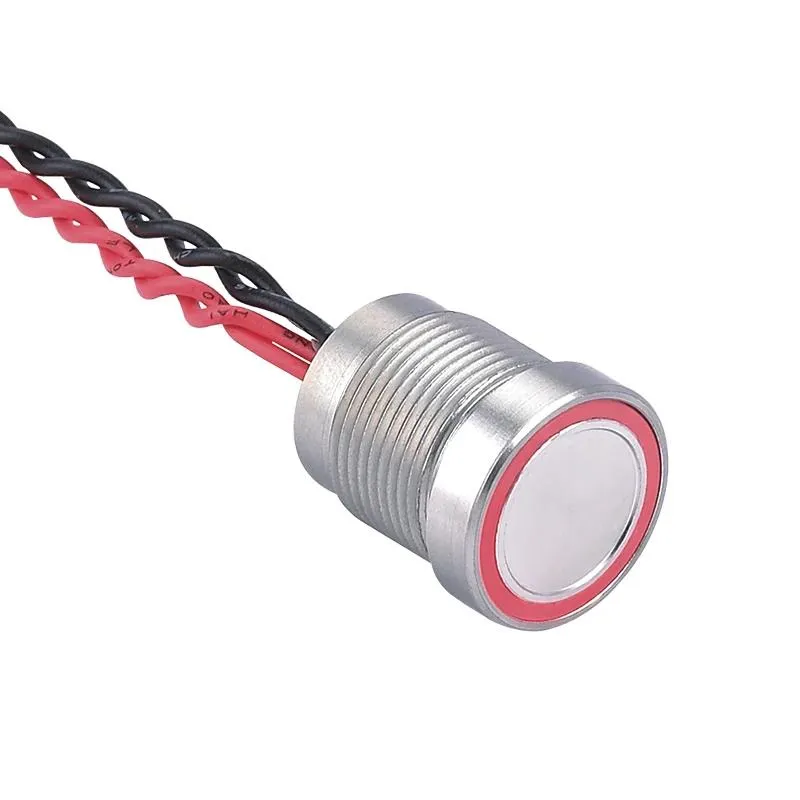
Принцип работы кнопок с пьезоэлектрическими переключателями
Пьезоэлектрический переключатель использует пьезоэлектрический эффект для работы в качестве кнопки. Определенные материалы, такие как кварц и некоторые виды керамики, обладают пьезоэлектрическими свойствами, генерируя электрический заряд при приложении механического давления. Когда вы нажимаете на пьезоэлектрическую кнопку, вы прикладываете механическое давление к пьезоэлектрическому материалу. В результате этого приложенного механического давления пьезоэлектрический материал деформируется, генерируя электрический сигнал, который может быть обработан и выполнить действие, например, включить устройство.
Пьезоэлектрические кнопки чрезвычайно надежны и долговечны благодаря отсутствию движущихся частей, кроме самой кнопки (без шестерен, пружин и т. д.). Кроме того, в отличие от стандартных механических переключателей (кнопок), пьезоэлектрические кнопки не имеют металлических контактов, которые могут корродировать или изнашиваться при частом использовании. Уникальный способ работы этих переключателей приводит к расширению использования пьезоэлектрических переключателей во многих различных отраслях промышленности.
Ключевые преимущества тактильных кнопок с пьезоэлектрическими переключателями
В мире переключателей существует множество факторов, которые помогают определить кнопка с пьезоэлектрическим переключателем технологию как особенно отличную от других традиционных коммутационных механизмов. Ниже приведены некоторые из критически важных преимуществ:
2. Непревзойденная долговечность: пьезоэлектрические переключатели обладают увеличенным сроком службы, поскольку в них отсутствуют физические детали, которые могут изнашиваться или деградировать со временем, в отличие от обычных кнопок. Благодаря такой экстремальной долговечности пьезоэлектрические переключатели часто выбирают, когда критически важна долговременная надежность во многих применениях.
2. Пыле- и водозащита
Множество пьезоэлектрических переключателей герметизированы для предотвращения попадания пыли и влаги по стандартам IP65, IP67 или даже IP69K. Это делает их пригодными для любого наружного применения или мест, где присутствует пыль и вода.
3. Очень чувствительные: Пьезоэлектрические переключатели могут обнаруживать очень малые изменения давления, поэтому они идеально подходят для применений, требующих точности и тонкости в величине вводимых данных.
4. Минимальное энергопотребление: Одним из выдающихся элементов этого продукта является его энергоэффективность. Устройства, работающие от батарей, выиграют от этих переключателей, которые потребляют меньше электричества, чем механические переключатели.
5. Эксплуатационные характеристики: Их тонкий профиль и более компактные размеры позволяют создавать эстетически привлекательные и функциональные конструкции. Кроме того, несколько пьезоэлектрических переключателей имеют настраиваемые функции, такие как светодиодная подсветка, которые улучшают взаимодействие с пользователем и повышают эстетику.
6. Бесшумная работа: В отличие от механических кнопок, которые издают щелчок при нажатии, пьезоэлектрические переключатели не издают никаких звуков. Таким образом, они гораздо более уместны для установки в местах, где требуется тишина, таких как библиотеки и медицинские учреждения.
Типы кнопок с пьезоэлектрическими переключателями
В зависимости от того, как вы собираетесь их использовать, пьезоэлектрические переключатели и кнопки Стили могут иметь различные дизайны. Далее приведены некоторые из типов, которые вы можете найти:
Накладные выключатели: Благодаря своей тонкой, компактной конструкции, накладные выключатели идеально подходят для использования в условиях ограниченного пространства для монтажа. Примеры включают портативные устройства и небольшие панели управления. Они также легко интегрируются в новый дизайн и имеют аккуратный внешний вид.
Переключатели для установки на панель: Встраиваемые в панель переключатели, применяемые при производстве пультов управления, а также в автомобильной и промышленной сферах. Обычно переключатели для установки на панель обладают повышенной прочностью, чтобы выдерживать работу в тяжелых условиях.
Всепогодные и антивандальные переключатели: Используются в наружных и общественных установках, таких как киоски, банкоматы и билетные автоматы общественного транспорта, для защиты от физических повреждений и воздействия окружающей среды.
Кнопки с подсветкой – Помимо визуальной пользы, кнопки с подсветкой также обеспечивают повышенный уровень функциональности благодаря встроенным светодиодным индикаторам; это позволяет легко видеть состояние кнопки при ограниченном освещении.
Основные области применения кнопок с пьезоэлектрическими переключателями
Кнопки настроены для работы с пьезоэлектрическим устройством, имеют преимущества и широко используются в различных отраслях и приложениях благодаря своим отличительным характеристикам.
Домашняя автоматизация; Добавление сенсорных элементов управления с пьезоэлектрическими переключателями в интеллектуальный дом становится стандартной функцией многих современных цифровых домашних систем, предлагая удобные и эстетичные решения для взаимодействия с пользователем.
В медицине наличие очень надежных и точных методов управления медицинскими приборами имеет огромное значение для функционирования всей медицинской системы. Пьезоэлектрические кнопки позволяют осуществлять эффективный и точный ввод команд в медицинское оборудование, такое как инфузионные насосы, аппараты искусственной вентиляции легких и диагностическая аппаратура.
Применения в автомобилях: Автомобильные переключатели используются во всей автомобильной промышленности, в том числе для систем управления транспортными средствами (например, систем управления на приборной панели, бесключевого доступа) и для информационно-развлекательных систем, обеспечивая удобный для пользователя способ управления такими системами. Они обладают высокой устойчивостью к вибрации и экстремальным температурам, что делает их идеальными для использования в автомобильной промышленности!
Промышленная автоматизация: Зачастую, при производстве или переработке товаров, на предприятии складывается очень сложная среда. Такая среда может характеризоваться экстремальными температурами, высокой влажностью или большим количеством пыли в воздухе. В таких условиях пьезоэлектрические переключатели являются идеальным выбором для надежной работы промышленных панелей управления, машин и робототехники.
Бытовая электроника: такие устройства, как смартфоны, планшеты и пульты дистанционного управления, используют пьезоэлектрические кнопки, поскольку они очень чувствительны и обеспечивают пользователям лучший общий опыт при использовании самих устройств.
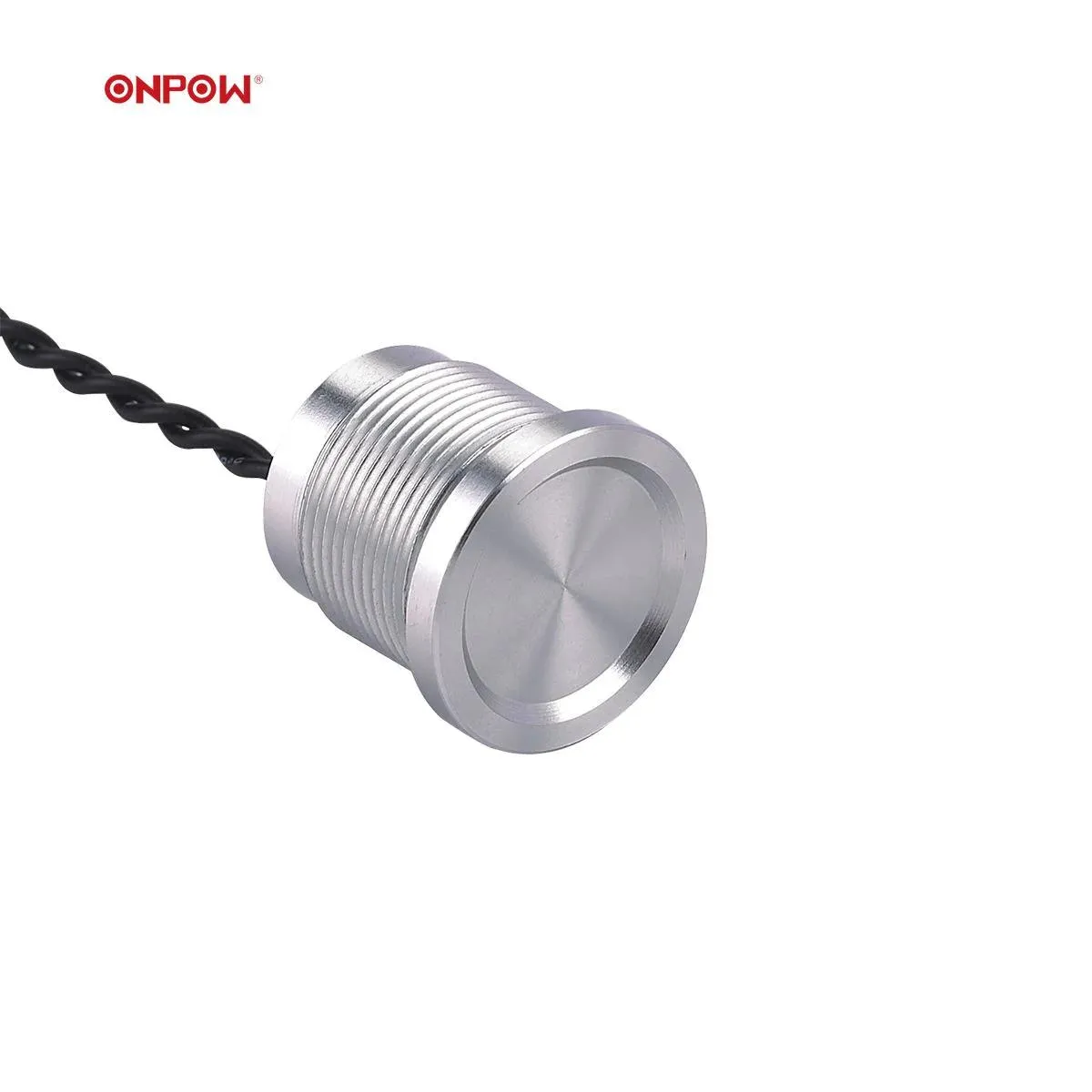
Часто задаваемые вопросы о кнопках с пьезоэлектрическими переключателями
Как работает кнопка с пьезоэлектрическим переключателем?
Пьезоэлектрический переключатель может генерировать энергию за счет механического давления, приложенного к поверхности переключателя. Механическое давление создает электрический заряд, который преобразуется в цифровой сигнал интегральными схемами в переключателе, извещающими подключенное устройство о выполнении его запрограммированной функции.
Основные области применения тактовых переключателей с пьезоэлектрическим переключателем:
Они используются в различных отраслях, включая медицинское оборудование, бытовую электронику, автомобилестроение и промышленную автоматизацию. Эти кнопки идеально подходят для использования в суровых условиях и там, где критически важна точность.
Преимущества и недостатки тактовой кнопки с пьезоэлектрическим переключателем
Преимущества включают исключительную долговечность, низкие эксплуатационные расходы, водо- и пыленепроницаемость, а также компактный дизайн. Недостатками являются более высокая первоначальная стоимость по сравнению с механическими переключателями и возможное требование специализированных схем для их интеграции.
В заключение, кнопочный переключатель с пьезоэлектрическим актуатором представляют собой значительный шаг вперед в технологии переключателей. Благодаря многочисленным преимуществам, включая долговечность, точность, компактную конструкцию и устойчивость к воздействию окружающей среды, они подходят для широкого спектра промышленных, автомобильных, медицинских и потребительских применений. Несмотря на то, что они могут стоить немного дороже, их долговечность и эффективность делают их выгодным вложением как для бизнеса, так и для потребителей. Понимая уникальные особенности и области применения этих переключателей, вы можете принять обоснованное решение о том, подходят ли они для ваших конкретных нужд.



