

Водонепроницаемый микропереключатель должен продолжать работать после того, как в ходе реального монтажа он подвергнется воздействию ожидаемых воды, пыли, температуры, химикатов, давления и механического движения. Маркировка “водонепроницаемый” не является исчерпывающим требованием. Определите, является ли воздействие конденсатом, брызгами, дождем, временным погружением, промывкой струей воды под давлением или другим условием. Затем определите границы уплотнения вокруг приводного элемента, соединения корпуса, выводов, кабеля, разъема и монтажного интерфейса. Изучите точную документацию на изделие и протестируйте собранное устройство, поскольку защита отдельных компонентов не распространяется автоматически на всю машину в сборе.
Правило отбора: рассматривайте устройство, исполнительный механизм, контакты, корпус, проводку, логику управления, пользователя и движение машины как единую систему. Примеры изделий иллюстрируют только форм-фактор; окончательная пригодность должна определяться на основе актуальной документации для конкретного кода заказа и путем валидации в готовом оборудовании.
Как работает механизм
Герметизация обычно представляет собой сочетание формованных соединений корпуса, прокладок, защитных чехлов, литой изоляции кабелей, уплотнителей разъемов или залитых компаундом выводов. Подвижный привод остается сложным элементом конструкции, поскольку он должен двигаться, предотвращая при этом попадание загрязнений. Перепады давления и циклические изменения температуры могут вытягивать влагу через уязвимые стыки. Изгиб кабеля, капиллярные пути, поврежденные чехлы, неподходящие разъемы и монтажные напряжения могут нарушить работу в целом подходящего переключателя.

Критерии отбора с первого взгляда
| Область принятия решений | Что проверять | Техническая причина |
|---|---|---|
| Определение экспозиции | Опишите источник воды, продолжительность, направление, давление, температуру и частоту | Для разных паттернов воздействия требуется разная валидация. |
| Вводное заявление | Прочтите точные условия тестирования и защищенные границы | Код или маркетинговый термин не могут заменить полную документацию. |
| Уплотнение привода | Проверьте, как защищен движущийся плунжер или рычаг | Движение создает динамический уплотнительный интерфейс. |
| Кабель или коннектор | Укажите конструкцию кабеля, направление выхода, сальник, разъём и ответное уплотнение | Электрический ввод является уязвимым местом монтажа. |
| Строительные материалы | Проверить совместимость с маслами, очистителями, солью, УФ-излучением и температурой | Водостойкость не означает химическую стойкость. |
| Монтаж | Избегайте деформации и поддерживайте сжатие прокладки там, где это необходимо | Неправильный крутящий момент или неровные поверхности могут создать пути для утечки. |
| Дренаж и ориентация | Предотвращайте образование водяных карманов, когда это позволяет конструкция | Хорошая конструкция корпуса уменьшает скопление воды у уплотнений. |
| Верификация | Тестовые образцы после сборки, циклирования и воздействия окружающей среды | Одной лишь проверки непрерывности цепи без подачи питания недостаточно. |
Эта таблица носит исключительно качественный характер. Числовые пределы, номинальные параметры, крутящий момент, усилие, ход, экологические характеристики и показатели долговечности должны браться из актуального технического описания и оцениваться в условиях конкретного применения.
Подробный процесс отбора
Определение экспозиции
Что проверить: Опишите источник воды, продолжительность, направление, давление, температуру и частоту. Различные схемы воздействия требуют различной валидации. Требование должно быть записано в спецификации проекта и соотнесено с конкретным чертежом модели или техническим паспортом. Проверьте наихудшие допуски, износ, загрязнение, доступ для обслуживания и предсказуемое неправильное использование. Если имеющаяся документация не определяет границу, оставьте этот вопрос открытым для подтверждения поставщиком и испытания образцов, а не подменяйте его предположением.
Вводное заявление
Что проверить: Ознакомьтесь с точными условиями испытаний и защищенными границами. Никакой код или маркетинговый термин не могут заменить полную документацию. Требование должно быть записано в спецификации проекта и соотнесено с конкретным чертежом модели или техническим описанием. Проанализируйте наихудшие допуски, износ, загрязнение, доступность для технического обслуживания и предсказуемое неправильное использование. Если имеющаяся документация не определяет границу, оставьте этот вопрос открытым для подтверждения поставщиком и испытания образцов, вместо того чтобы подменять его предположением.
Уплотнение привода
Что проверить: Проверьте, как защищен движущийся плунжер или рычаг. Движение создает зону динамического уплотнения. Требование должно быть зафиксировано в проектной спецификации и соотнесено с конкретным чертежом модели или техническим паспортом. Проанализируйте худшие допуски, износ, загрязнение, доступность для технического обслуживания и предсказуемое неправильное использование. Если имеющаяся документация не определяет границу, оставьте этот вопрос открытым для подтверждения поставщиком и испытаний образцов, вместо того чтобы подставлять предположения.
Кабель или коннектор
Что проверить: Укажите конструкцию кабеля, направление выхода, сальник, разъём и уплотнение сопрягаемых деталей. Кабельный ввод является уязвимым местом при монтаже. Требование должно быть зафиксировано в проектной спецификации и соотнесено с конкретным чертежом изделия или техническим описанием. Проанализируйте худшие допуски, износ, загрязнение, доступ для технического обслуживания и предсказуемое неправильное использование. Если имеющаяся документация не определяет границу, оставьте этот вопрос открытым для подтверждения поставщиком и испытания образцов, вместо того чтобы подставлять предположение.
Строительные материалы
Что проверить: Проверьте совместимость с маслами, очистителями, солью, УФ-излучением и температурой. Водонепроницаемость не означает химическую стойкость. Требование должно быть записано в проектной спецификации и соотнесено с конкретным чертежом модели или техническим описанием. Проанализируйте худшие допуски, износ, загрязнение, доступ для обслуживания и предполагаемое неправильное использование. Если имеющаяся документация не определяет граничные условия, оставьте этот вопрос открытым для подтверждения поставщиком и испытания образцов, вместо того чтобы подменять его допущением.
Монтаж
Что проверить: Избегайте деформации и поддерживайте требуемое сжатие прокладки. Неправильный крутящий момент или неровные поверхности могут создать пути для утечки. Требование должно быть записано в спецификации проекта и соотнесено с конкретным чертежом модели или техническим паспортом. Проанализируйте худший случай допусков, износ, загрязнение, доступ для технического обслуживания и предвидимое неправильное использование. Если имеющаяся документация не определяет границу, оставьте этот вопрос открытым для подтверждения поставщиком и испытания образцов, вместо того чтобы подменять его предположением.
Дренаж и ориентация
Что проверить: Предотвращайте образование водяных карманов, когда это позволяет конструкция. Хорошая конструкция корпуса уменьшает скопление воды у уплотнений. Это требование должно быть прописано в проектной спецификации и соотнесено с конкретным чертежом модели или техническим паспортом. Проанализируйте наихудшие допуски, износ, загрязнение, доступность для технического обслуживания и предсказуемое неправильное использование. Если имеющаяся документация не определяет границу, оставьте этот вопрос открытым для подтверждения поставщиком и тестирования образцов, вместо того чтобы полагаться на допущения.
Верификация
Что проверить: Испытайте образцы после сборки, циклических испытаний и воздействия окружающей среды. Одной лишь проверки целостности цепи в сухом состоянии недостаточно. Это требование должно быть прописано в проектной спецификации и соотнесено с конкретным чертежом модели или техническим описанием. Проанализируйте наихудшие допуски, износ, загрязнение, доступ для обслуживания и предполагаемое неправильное использование. Если имеющаяся документация не определяет границу, оставьте этот вопрос открытым для подтверждения поставщиком и тестирования образцов, вместо того чтобы полагаться на предположения.

Рассмотрение заявки
- Электрооборудование для наружной установки с регламентированным воздействием дождя. Зафиксируйте ожидаемую команду, отклик, поведение при отключении, аварийный режим и свидетельства приемки для собранной машины.
- Пищевое оборудование за пределами прямых гигиенических зон. Зафиксируйте ожидаемую команду, отклик, поведение при отключении, аварийное состояние и подтверждение приемки для собранной машины.
- Сельскохозяйственная техника, подвергаемая воздействию грязи и мойки. Зафиксируйте ожидаемую команду, реакцию, поведение при сбросе (выключении), нештатное состояние и подтверждение приемки для собранной машины.
- Корпуса, склонные к образованию конденсата. Зафиксируйте ожидаемую команду, отклик, поведение при размыкании, ненормальное состояние и доказательства приемки для собранной машины.
- Оборудование для перемещения материалов с защитой от брызг. Запишите ожидаемую команду, реакцию, поведение при сбросе, аварийное состояние и подтверждение приемки для собранной машины.
Для каждого применения включите запуск, нормальную работу, выключение, потерю питания, восстановление питания, режим технического обслуживания, замену компонентов и неисправности, выявленные в ходе оценки рисков. Общий переключатель управления не должен рассматриваться как полная защитная функция.
Чек-лист ввода в эксплуатацию
- Зафиксировать требование. Укажите предполагаемое действие, нормальное состояние, питание, нагрузку, движение, окружающую среду и пользователя.
- Сравните код заказа. Сравните доставленную деталь с утвержденным чертежом, контактной схемой, приводом, типом выводов и дополнительными принадлежностями.
- Проверить установку. Проверьте центровку, крепеж, задний зазор, прокладку кабелей, снятие натяжения, защиту токоведущих частей и доступ для обслуживания.
- Проверьте каждый штат. Проверьте срабатывание и отпускание при предельных допусках, ожидаемых скоростях, нагрузках, работе в перчатках, загрязнении и различных условиях окружающей среды.
- Проверка нештатных условий. Включите отключенные проводники, заблокированные или поврежденные механизмы, потерю питания, загрязнение и другие возможные неисправности.
- Запишите результат. Сохраните модель, версию, метод испытаний, наблюдения, критерии приемки, дату и утверждающего лица.
Распространенные ошибки
- Называть продукт водонепроницаемым без указания условий. Предотвратите это, закрепив проверку за чертежом, техническим паспортом, монтажной ведомостью или пусконаладочным испытанием с указанным критерием приемки.
- Без учета конца кабеля и ответного соединителя. Предотвратите это, закрепив проверку за чертежом, техническим паспортом, монтажной ведомостью или пусконаладочным испытанием с указанным критерием приемки.
- При условии, что переднее уплотнение защищает задние выводы. Предотвратите это, закрепив проверку за чертежом, техническим паспортом, монтажной ведомостью или пусконаладочным испытанием с указанным критерием приемки.
- Использование чистящих химикатов без проверки на совместимость. Предотвратите это, закрепив проверку за чертежом, техническим паспортом, монтажной ведомостью или пусконаладочным испытанием с указанным критерием приемки.
- Пропуск функционального циклирования после воздействия. Предотвратите это, закрепив проверку за чертежом, техническим паспортом, монтажной ведомостью или пусконаладочным испытанием с указанным критерием приемки.
Что включить в запрос предложений (RFQ)
Предоставьте информацию о применении, целевом рынке, применимых стандартах, функции машины, питании и нагрузке, интерфейсе управления, логике контактов, чертеже механической части, траектории движения, размерах панели, способе подключения кабелей, условиях окружающей среды, частоте работы, количестве, требованиях к документации и плане проверки образцов. Попросите поставщика указать допущения и исключения. Компания ONPOW предлагает соответствующую продукцию в своей семейство специализированной продукции и более широкий ассортимент продукции для промышленного управления.
Похожие руководства ONPOW
- Как работает микропереключатель
- Микропереключатель против концевого выключателя
- Механическая жизнь против электрической жизни
Авторитетные источники
- Аппаратура распределения и управления низковольтная. Часть 5-1. Устройства цепей управления и коммутационные элементы
- ГОСТ 60529 Степени защиты, обеспечиваемые оболочками (Код IP)
- Требования OSHA к ограждению оборудования
- Требования OSHA по электробезопасности
Обучающее видео
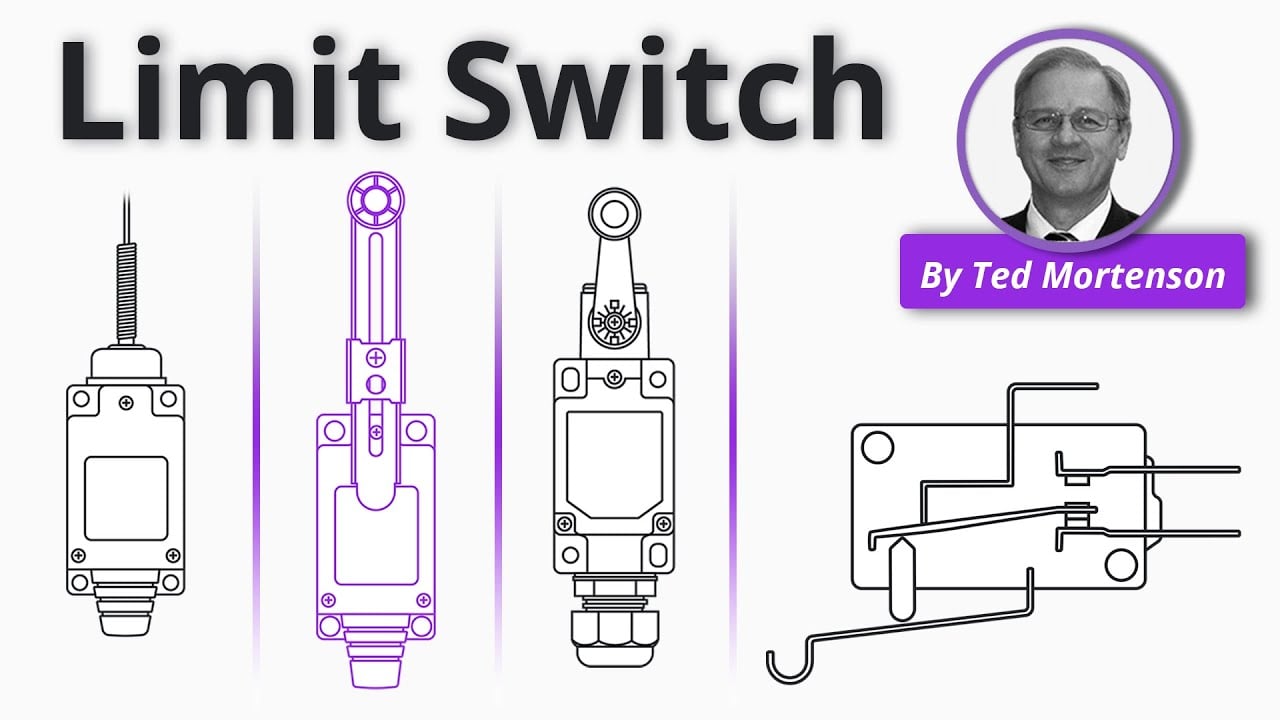
Видео «Limit Switch Explained» от RealPars дает общую справочную информацию. При принятии проектных решений по-прежнему необходимо руководствоваться применимыми стандартами и документацией на продукцию.
Часто задаваемые вопросы
Означает ли IP67 постоянное использование под водой?
Нет. Проверьте точное стандартное издание, условия испытаний, заявление производителя и требования к применению.
Является ли герметичный выключатель автоматически защищенным от мытья струями воды?
Нет. Имеют значение давление, температура, химикаты, направление, продолжительность, крепление и уплотнение кабеля.
Можно ли добавить защитный колпачок на любой свитч?
Только когда производитель поддерживает эту комбинацию, а чехол не мешает усилию или ходу.
Что должен проверять входной контроль?
Подтвердите код заказа, состояние корпуса и кабеля, ход приводного механизма, клеммы, документацию и любые проектно-специфичные выборочные испытания.
Окончательное решение
Утверждайте компонент только тогда, когда задокументированные механические, электрические, экологические ограничения, ограничения по удобству использования, установке и обслуживанию полностью соответствуют собранной системе. Устраняйте неопределенности с помощью актуальной информации от производителя и испытаний перед запуском в производство.



