

Bir düğmeye basma ürün karbon ayak izi sınırı, raporlanan emisyon rakamının hangi süreçleri gerçekten içerdiğini belirler. Bir tedarikçinin numarasını kullanmadan önce, tam yapılandırmayı, raporlama birimini, yaşam döngüsü aşamalarını, hariç tutulanları, veri dönemini ve varsayımları doğrula. Bir başlangıçtan kapıya sonuç, tam bir ömür boyu ayak izi olarak sunulmamalıdır ve bir şirket emisyon toplamı, bir ürün sonucu değildir. Bu kılavuz, alıcıların kullanılabilir bilgi talep etmesine yardımcı olur ve çözülemeyen soruları çevresel uzmanlara yönlendirir. ONPOW ayak izini hesaplamaz, bir ürünü sertifikalandırmaz veya fotoğraflarda gösterilen herhangi bir modele emisyon atamaz.
Neden sınır, başlık sayısından daha önemli
Bir satın alma elektronik tablosunda, ürün başına karbon emisyonları için tek bir alan olabilir. Destekleyen rapor nadiren bu kadar basittir. Bir tedarikçi malzeme ve üretimi dahil edebilir, diğerleri ise teslimat, işletme ve atık yönetimini de ekleyebilir. Sınırları olmadan her iki rakamı aynı sütuna kopyalamak, içsel olarak geçerli olsalar bile yanıltıcı bir karşılaştırma yaratabilir.
Sınır, okuyucuya muhasebenin nerede başladığını ve bittiğini gösterir. Ayrıca, ürünle ilişkilendirilen süreçleri tanımlar ve hariç tutulanları açıklar. Sonucu ve sınırını ayrılmaz bir çift olarak kabul et. Eğer rakam başka bir elektronik tabloya veya müşteri portaline giderse, kapsam bilgisiyle birlikte gitmesi gerekir.
Verilerin amaçlanan kullanımını belirleyerek başla. Erken tasarım tahmini, müşteri raporlaması ve karşılaştırmalı satın alma kararları farklı detay seviyeleri gerektirir. Kusurlu ama açıkça tanımlanmış bir giriş, kabul edilen bir ön tahmine hizmet edebilir. Aynı giriş, otomatik olarak bir anahtarın diğerinden daha düşük emisyonlara sahip olduğunu iddia etmek için kullanılmamalıdır.
Ürün muhasebesini şirket muhasebesinden ayır
The GHG Protokolü Ürün Standardı bir ürünün yaşam döngüsüyle ilişkili emisyonları ele alır. Kılavuzu, bu bakış açısını kurumsal değer zinciri muhasebesinden ayırır. Bir üreticinin yıllık emisyon raporu faydalı bağlam sağlayabilir, ancak kendisi belirli bir sipariş edilen düğmenin ayak izini sağlamaz.
Örneğin, bir şirketin yıllık emisyonlarını yıllık üretim sayısına bölmek, gereken ürün muhasebesi modelinin yerini tutmaz. Ürünler farklı malzemeler ve üretim yolları kullanabilir ve organizasyonel envanterin sınırı farklı olabilir. Basit bir bölme, bu farkları gizleyebilir ve doğrulanmış bir ürün ayak izi olarak gösterilmemelidir.
Gerçek ürün rakamını destekleyen raporu, sadece sürdürülebilirlik broşürünü değil, tedarikçiden iste. WRI Yayın Sayfası - Ürün Standardı Çerçevenin ürün seviyesindeki amacını tanımlar. Bir şirket hedefi, bir telafi satın alma ve bir değerlendirilen ürün envanteri, ayrı bilgi biçimleridir.
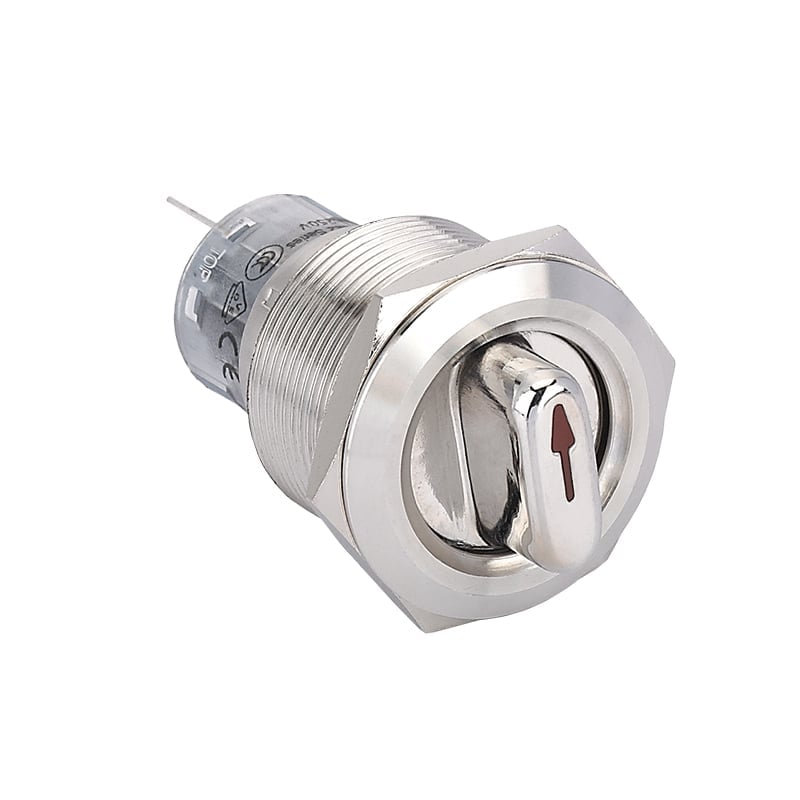
Veri talep etmeden önce sağlanan anahtarı tanımla
Tam sipariş kodunu ve kutuda neyin geldiğini belirtin. Tedarik, operatör, bağlantı blokları, bir aydınlatma modülü, bir konektör veya montaj aksesuarlarını içeriyor mu? Rapor yalnızca bir operatör içeriyorsa, alıcı kalan montajın dahil olduğunu varsaymamalıdır. Dahil olan bileşen listesini veri talebinin bir parçası yapın.
The LAS1-AGQ22-11TSB katalog sayfası Tedarikçi görüşmeleri için somut bir kimlik referansı sağlar. Diğer LAS1-AGQ22 konfigürasyonlarının kendi tanımlamaları gerekir. Fotoğraflar katalog farklarını gösterir; ölçülen emisyonlar, üretim enerjisi veya çevresel sertifikasyon kanıtı sağlamazlar.
Ayrıca satın alma miktarını ve raporlama birimini tanımlayın. Ürün başına, kütle başına ve tanımlanmış hizmet başına farklı temel ölçütlerdir. Bir tedarikçi gruplanmış veya temsilci model raporluyorsa, onu sipariş edilen konfigürasyona bağlayan açıklamayı isteyin. Bu nitelik görünür tutun, temsilci sayıyı model özel sonucu olarak yeniden adlandırmak yerine.
Dahil edilen aşamaları ve eksik bilgileri haritalandır
Sonucun kapsadığı alanı anlamak için bir süreç haritası veya yazılı aşama listesi kullanın. Aşağıdaki tablo bir inceleme yardımıdır, her listedeki sürecin her muhasebe çerçevesinde aynı şekilde ele alınması gerektiği iddiasını taşımamaktadır.
| Sınır sorusu | Talep edilecek kanıt | Satın alma yorumu |
|---|---|---|
| Değerlendirilen ürün nedir? | Sipariş kodu ve dahil edilen bileşen açıklaması | Şekli gerçek tedarikle ilişkilendirin |
| Yukarıdaki aşamada ne oluyor? | Malzeme ve bileşen süreç kapsamı | Dahil edilen satın alınan girdileri ve hariç tutulanları tanımlayın |
| Hangi üretim kapsamaktadır? | Üretim rotası, lokasyon kapsamı ve veri dönemi | Sağlanan konfigürasyona uygunluğu kontrol edin |
| Teslimat nerede sona eriyor? | Taşıma ve dağıtım varsayımları | Müşterinin rotasının temsil edildiğini varsaymaktan kaçının |
| İşlem dahil mi? | Senaryo, hizmet dönemi ve enerji varsayımlarını kullanın | Hariç tutulan kullanım aşamasını sıfır emisyonlardan ayırın |
| Ömür sonunda dahil mi? | İşlem senaryosu ve tahsis açıklaması | Varsayılan geri dönüşüm ile gösterilen geri kazanımı eşdeğer tutmayın |
| Hangi süreçler hariç tutulmuştur? | Belgelendirilmiş hariç tutmalar ve nedenleri | Verilerin müşterinin amacına uygun olup olmadığını değerlendirin |
| Sonuç birimi nedir? | Miktar temel ve iklim göstergesi açıklaması | Prevent incompatible values entering one comparison |
For methodological detail, the GHG Protocol Product Life Cycle Accounting and Reporting Standard contains dedicated guidance on boundary setting and disclosure. Have a qualified practitioner interpret requirements for the intended study rather than inventing a boundary from the table alone.
Başarısızlık olarak kabul etmeden kısmi ayak izlerini anla
A partial footprint can be useful when its purpose and limits are clear. A component supplier may have production-stage data while the panel builder or machine manufacturer controls the later use scenario. The buyer should establish where one dataset ends and the customer’s assessment begins. This handoff prevents missing processes and accidental double counting.
The public scope of ISO 14067:2018 includes product and partial product carbon-footprint quantification. It addresses climate change rather than every environmental impact, and its scope does not cover carbon offsetting. The public abstract is a scope reference, not the complete standard or evidence that an ONPOW model has been assessed against it.
Label partial data explicitly in the project record. If a report stops at the factory gate, state that limit next to the value. Do not add a statement such as “lifetime footprint” merely because the downstream team would prefer a complete number. Ask what further data are needed and who is responsible for supplying them.
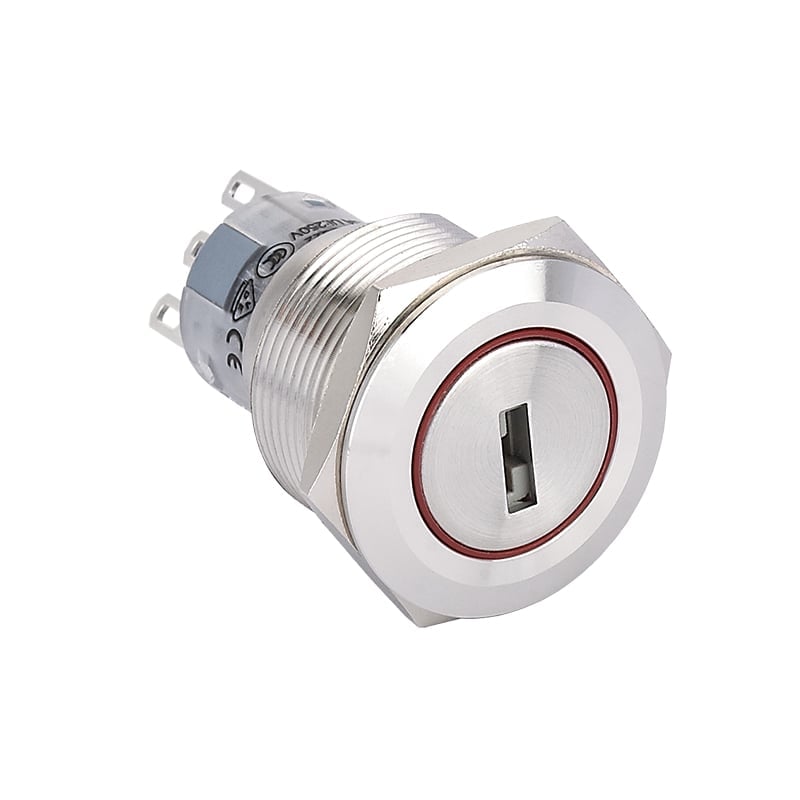
Aydınlatılmış kontroller için kullanım aşaması varsayımlarını gözden geçir
An illuminated operator introduces questions about operation that may not arise in the same way for an unilluminated configuration. Ask whether the assessed scenario includes the light source and related operating energy. Then ask how the operating pattern was chosen. A continuously energized indicator and an intermittently used control may have different scenarios even within the same installation.
Do not estimate use-stage emissions from a photograph, mounting size or nominal voltage. A voltage description alone does not establish power consumption. Obtain the correct electrical information and an agreed operating scenario. The practitioner also needs an appropriate electricity dataset and any assumptions about changes over the assessment period.
Separate engineering reliability from environmental service-life assumptions. A cycle rating, where supported by an applicable specification, does not automatically establish the number of years used in a footprint study. The customer’s duty and maintenance plan matter. If the report uses an assumed lifetime, preserve that description instead of turning it into a product warranty.
Tedarikçileri karşılaştırmadan önce yöntemleri ve veri kalitesini karşılaştır
The smallest displayed number is not necessarily the best-supported result. Review the reporting period, geography, data sources and treatment of important processes. Ask which information is measured for the supplier and which uses secondary datasets. A short result sheet may require a supporting report before those questions can be answered.
When two footprints use different boundaries, do not casually subtract or scale individual stages to make them appear comparable. Changes may affect allocation, cut-offs or other study assumptions. Give both reports to the responsible practitioner and ask whether a common comparison can be built from the available information.
Sensitivity analysis can be more informative than an unsupported ranking. If an uncertain operating pattern changes the conclusion, that uncertainty belongs in the decision. Procurement can help by collecting realistic usage and supply information. It should not replace uncertain inputs with precise-looking guesses to complete a customer form.
Karbon bilgilerini diğer tedarikçi iddialarından ayır
A carbon-footprint result does not establish restricted-substance compliance or recycled content. Those requests have their own scope and evidence. The malzeme-beyanı veri rehberi explains how structured substance information serves a different purpose from climate accounting.
Likewise, the conflict-minerals supplier records guide concerns supply-chain sourcing information. Those records may be part of a wider purchasing file, but they do not calculate climate impact. Keep the underlying evidence connected without changing its meaning.
A useful common starting point is the supplier evidence review: identify what a record covers, its source and its limitations. The environmental practitioner must then decide how that information can be used in the chosen accounting framework.
Tedarikçinin cevaplayabileceği bir talep hazırla
Send a structured request containing the exact product configuration, the customer’s intended use of the result, the required unit and the desired life-cycle coverage. Ask for the report date, represented production period, assessment method and available verification statement. Request explicit exclusions and any restrictions on comparison or external communication.
Offer clear response categories: applicable report available, related report requiring mapping, partial dataset available, or no usable data currently available. That gives the supplier a truthful way to report limitations. If no footprint exists, do not pressure the supplier to invent a figure from product mass or a company emissions total.
Save the received report and the review conclusion together. Record outstanding questions, agreed assumptions and who approved the dataset for its intended use. Revisit the file when the product configuration, represented production route or accounting method changes. A documented boundary makes the information useful across teams and reduces the chance that a qualified number becomes an unqualified marketing claim.
Sıkça Sorulan Sorular
Bir fabrika kapı rakamı tam bir yaşam boyu ayak izidir mi?
Hayır. Fabrika kapısı sınırı, rapor açıkça aksi belirtilmedikçe sonraki süreçleri hariç tutar. Sınır etiketini koruyun ve sorumlu uygulayıcıya müşterinin amaçlanan değerlendirmesi için hangi ek bilgilere ihtiyaç duyulduğunu sorun.
Can I use the manufacturer’s annual emissions as a switch footprint?
Not without a suitable product accounting study. Corporate and product inventories answer different questions and may cover different activities. An annual total divided by production quantity should not be presented as a validated model-specific result.
Bir karbon ayak izi tüm çevresel etkileri kapsar mı?
No. A product carbon footprint addresses climate-related impact within its defined scope. It does not by itself assess all resource, toxicity, water or other environmental issues. Broader conclusions require the appropriate evidence and assessment method.
İki bildirilen ayak izi doğrudan karşılaştırılabilir mi?
Only after their function, configuration, unit, boundaries, methods and relevant assumptions have been assessed for compatibility. Ask a qualified practitioner to determine whether the available reports support the proposed comparison and intended communication.
Daha fazla bilgi edinin
WRI introduces the GHG Protocol and the distinction between business accounting frameworks. This historical overview provides context, not a calculation method or verification of any switch footprint.

WRI/WBCSD Greenhouse Gas Protocol (GHGP) — World Resources Institute



