

As we move through the world today, there is more and more reliance on technology in everyday life. Therefore, we expect our tech products, including the push button with LED technology to be very user-friendly (intuitive) and easy to use (functional). Due to their tactile feedback ability and visual feedback ability, push buttons with LEDs are being used in many different types of products (both consumer electronics as well as industrial equipment). Continue reading to learn about the advantages of using push buttons with LEDs, including features, materials, types of applications, and frequently asked questions.
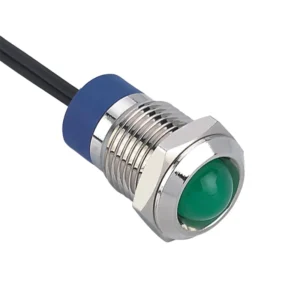
What Are the Uses of a Push Button With LED?
Due to its simplicity and flexibility, the Push Button With LED has many uses in all types of industry. The LED enables the button to provide users with immediate visual feedback, which greatly improves their experience with the product. Here are some examples of how the Push Button With LED is used in various industries.
Some of the most common components of smart home systems are button units that feature LEDs (light emitting diodes). Button units may provide homeowners with an easy way to control their home (e.g., lighting, energy-efficient/home automation appliance) as well as provide homeowners with immediate feedback with the help of an LED indicator that corresponds to the selected function. For example, when a homeowner presses a button to turn on a light, the LED located on that switch may provide a visual indication (i.e., the light is on).
Electronic Entertainment: The most common electronic devices today, such as remote controls, audio devices, and video game systems, have been designed by using push buttons combined with an LED to provide the user the ability to tell when a device is powered on, charging, or in stand-by mode.
Industrial machinery and equipment are often controlled by heavy machinery. Heavy machinery often has push-button switches with LEDs. The purpose of the LED is to show the operator if the machine is running, is malfunctioning, or is in the process of being repaired. The LED’s strength and durability allow the LED to be used in harsh environments.
Medial Devices: In the medical field, medical devices such as patient monitoring devices, diagnostic devices and life-sustaining devices have a multitude of push buttons with accompanying LED lights. The LEDs are used to indicate to the user whether or not the device is functioning, sometimes within seconds during emergencies.
Automotive: Automotive uses for push-button switches with a light-emitting diodes (LED) include: engine starting and stopping, navigation systems, climate controlling systems, etc. The illumination helps make it easier to find them when driving at night.
What Are the Features of a Push Button With LED?
There are many good reasons to choose Push Button Switches that have LED’s because of the variety of functions those buttons provide. Not only do they enhance the ability to perform tasks, but they also make many systems easier to use and provide an element of safety. Here are some great features:
Tactile Feedback: Push button switches generally provide a reassuring ‘click’ or feel of resistance when they are pressed, giving users tactile confirmation that the switch has been activated. This tactile feedback is useful in particular application settings where checking the switch has been activated using only visual confirmation would be difficult, such as in a noisy factory setting.
Light indicator: Integrated LEDs provide immediate visual confirmation of the state of a particular item; e.g., on, off, standby, or possibly even a variety of other operational modes (e.g. a green LED when operating normally and a red one if there is an error or alarm).
Strength and Dependability: LED Pushbuttons Are Built to Last Through Multiple Pressings and Do Not Break Easily Under Extreme Conditions. High-Quality materials Make the LED Push Buttons Resist Water, Dust, Chemicals, and Temperature Changes; Therefore, They Are Considered Very High Reliability in Applications Where Reliability is a Key Determining Factor.
Space-Saving Design: Although push-button switches with LED lights may offer excellent performance and functionality, they’re actually very compact and efficient for use with small and portable devices.
Your Customization: There are numerous types of push buttons (with LED lights) available in all sorts of configurations (i.e. shapes), colors, and sizes and allow manufacturers or users select a design that meets either what looks good or meets a particular set of technical specifications, which allows for a better overall integration into an entire system.
What Materials Are Used for Push Buttons With LEDs?
The performance and longevity of Push Button With LED are influenced heavily by the materials used for its construction. Below we will take a look at the four most popular materials you may find while researching this type of product.
The use of plastic is very popular among manufacturers of push buttons, largely because this material is lightweight, adaptable in design options, and available in many different colors and finishes. All of these attributes make plastic an economical manufacturing choice for devices that require lower-cost options; however, when used in more demanding environments (higher stress), some types of plastic may not be as durable compared to metals.
Aluminum and stainless steel are metals that feature excellent durability and strength along with an excellent degree of opposition to both wear and tear. Metal push buttons are highly regarded for their ability to withstand the rigors of industrial use; however, they are also commonly used in high-end devices as decorative elements in addition to providing functional support.
Rubber has been a good choice for sealing purposes for both waterproof and dustproof uses, especially as a sealant for push-buttons. Silicone rubber is an especially popular choice in environments that require both durability and water resistance, such as on outdoor equipment.
Because of its superior resistance to the sun and the impacts caused by falling objects, polycarbonate is frequently utilized for manufacturing buttons that will be subjected to UV rays or have high potential for impact. This is due to its excellent resistance to both sunlight and impact.
By knowing how these materials differ in their advantages and disadvantages, you can be able to identify the best LED push button that will fit your requirements.
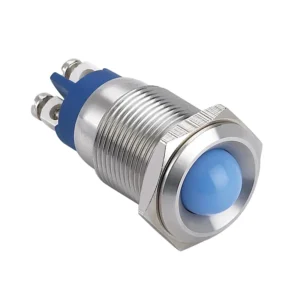
Applications of Push Buttons With LEDs
Due to their functionality and usability, thousands of applications use push buttons with an LED (light-emitting diode). Many additional examples not covered above include the following.
Elevator Controls: Providing a bright, easy to identify button with an illuminated display for pick floors.
Video Game Machines – In arcades, buttons lit up so that players can easily see and press them in a dark environment; this was accomplished by illuminating each button of each arcade machine in use.
Aerospace and Defense: Used in control panels due to their precise measurements, strength of materials, and resistance against severe environmental climates.
Transport Systems: The immediate and user-friendly nature present in ticket machines, ticket barriers and alerting systems.
Why You Should Choose a Push Button With LED
If you are considering whether to integrate Push Buttons with LEDs into your design or application, the advantages are clear. They not only enhance the functionality of a device but also ensure reliable visual cues that simplify operation. With their wide range of materials, designs, and features, these buttons can meet the demands of various industries, making them one of the most versatile solutions available today.
Conclusion
Choosing a Push Button With LED is not just about selecting a functional component; it’s about improving the overall usability, aesthetics, and safety of your device or system. Whether you’re looking for a button for home automation, industrial machinery, or commercial applications, the benefits of visual feedback, durability, and customization are undeniable. By understanding the features, applications, and materials of these buttons, you can make a smart, informed decision to meet your specific needs. Ultimately, the versatile Push Button With LED offers a modern solution that keeps users engaged, safe, and satisfied.



