

Push button control devices with cables are essential for providing the connection link between an operator and a controlled device in electrical control systems. Push button control devices with cables are versatile components providing practical/effective control solutions for industrial/consumer devices/controls/appliances/machinery and equipment. Push button control devices with cable are durable products that provide functionality in various applications/industries; therefore, they have become an integral part of many industries.
This article is a comprehensive look at the benefits of push button switches with wire connections and will explain their function, categories, types of cable used and how they can be put to use in different settings. We welcome those who work in industry, technicians, or simply people who are interested in purchasing quality electrical devices to learn about whether or not the Push Button With Wire will fit that need for you.
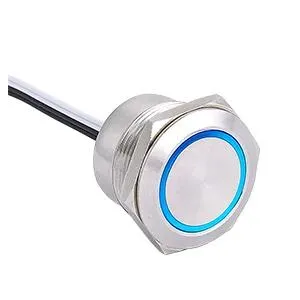
What is a Push Button with Cable?
The push button with cable is a type of switch that includes a cable to allow for quick and easy connections. Unlike standard push buttons where you need a separate connection or solder to be completed during installation, the push button with cable has an already attached cable and is made to specific lengths and specifications, which reduces the amount of direct wire connections to a minimum.
Simply by pushing on the button you will initiate an electrical signal (open or closed) for your machine, device or system; making them one of the simplest and easiest to use modern input devices available today.
What is the Purpose of a Push Button with Cable?
The primary function of a push button with cable is for the convenience of the user. By simply pushing or touching the button, they can control many devices and systems with ease. Here are some examples of how this device could be used:
– Operator controls activating or deactivating machines, processes and operations at the touch of a button using a machine push button interface.
– Enhanced Workplace Safety: Many times, emergency stop switches utilize the longer length of the cable, so an operator can activate the emergency stop button from outside the potential hazardous area of a machine.
– Convenience of use for consumers: As a home automation or consumer product, these buttons may allow for simple yet convenient access to users with their built-in control and ease of use.
Advantages of Push Button With Cable
Choosing a cabled push button device offers a plethora of benefits that can greatly enhance the experience of an operator, lessen possible risks, and increase productivity. Below are some key advantages discussed in more detail:
1. Greater flexibility: The addition of a cable allows greater flexibility regarding installation and use. The buttons can be positioned in the best locations based on user needs by having adjustable-length cables, giving easy access even to difficult-to-reach locations. For instance, in manufacturing situations, pushbuttons can be mounted at an operator’s workstation while the primary machinery may be located remotely.
2. Space-saving & Customizable Installations: Using cables to connect push buttons eliminates the need for further connectors and wiring, thus decreasing clutter and saving space. This is particularly useful in small electrical configurations. Plus, since there are available cables of customized lengths, people can customize their installations, which will ultimately make both setup more efficient and aesthetically pleasing!
3. Improved safety can be achieved in an industrial environment with a cable push button that provides a fast and dependable method of shutting down a machine in an emergency. The cable push button is positioned at a convenient and safe distance from the machines. As a result, it provides the ability to stop the machine quickly without risk of injury, thus creating a safer work environment.
4. The Toughness and Longevity of the Push Buttons with Cables: The manufacturers typically employ strong, robust materials in constructing the components of these devices in order to withstand harsh, natural elements such as dust, moisture, and extreme temperature changes. The durability of the push buttons with cables thus guarantees continued operation over long periods of time.
5. User-Friendly Design: These devices have been built to be easy to operate. With pre-integrated wiring in the device, you no longer have to worry about complex wiring and are significantly reducing the time it takes you to install your new unit, as well as eliminating the chance for error. The less complex design also ensures that maintenance on these devices will be quick and easy.
Applications of Push Buttons with Cables
Versatile Push buttons with wires are prevalent in many different industries. Here is a short description of some.
Many industries have adopted pushbuttons with wires because they are versatile. Below are some examples of different usages:
– Industrial Automation: Using push buttons connected by wire is a common way to operate controls on industrial equipment, such as control panels, assembly lines and conveyors. The operator can use the button or switch to start or stop a process without actually touching the machine itself.
– Consumer Electronics: Small Appliances like Coffee Makers and Vacuum Cleaners, in Addition to Other Home Appliances, Can Be Made Easy to Use Through the Use of Push Buttons.
– In the automotive industry, many vehicles utilize both cables and buttons to perform specific functions, like starting the engine and controlling features such as windows and lights.
– Use of push buttons in medical equipment for safe, precise, and reliable operation. In medical devices, push buttons are used to perform precise and safe operations in the environment where reliability is paramount.
– Safety Systems: Examples of instances where push buttons with cables provide for quickly ending an incident with hazardous materials through emergency stop buttons and fire alarms.
Types of Push Buttons with Cable
The type of push button with cable determines its function. There are many different types of push buttons that use cables; here are a few examples:
– Momentary Push Button switches create a short but instantaneous action in response to being pressed. Once released, the Momentary Push Button returns to its natural position and does not generate another action until pressed again. Momentary Push Buttons are used in applications such as Doorbell switches and keyboard keys.
– Latching Buttons (Push): Latching push buttons lock in place when activated and remain active until pressed again for deactivation. They are perfect for applications requiring a maintained circuit state.
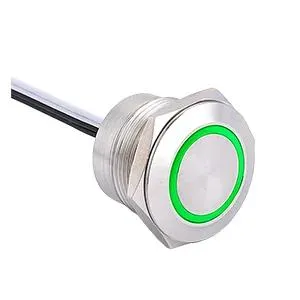
– Push Buttons with Lighted Features: These buttons have a light source in addition to controlling an item. The light source provides additional feedback (visual) and is best suited when operating in an area where there is little or no light.
– Customizable Push Buttons: Certain push buttons have customizable designs that allow users to design specific labels, colours, or even use icons for easy identification and use.
Material of Push Button With Cable
Cable-mounted push buttons have a high level of durability and reliability depending on the construction materials used in their manufacture. The most common materials used for making these buttons include:
– Push button switches made out of plastic are lightweight and inexpensive. They work well in environments where there is a low stress level and in a variety of applications. Plastic can be found in many colours, allowing you to use these buttons for visual reasons as well.
– Metal buttons are extremely tough and resilient to different kinds of external forces. This makes them ideal for industrial uses and for being used outdoors. The best choices for high-stress locations or in areas subject to extreme conditions would be stainless steel or aluminum.
– Both rubber and silicone offer superior protection against moisture, dirt, and chemicals, making them suitable for applications that demand unparalleled resistance like food processing and hospitals.
A push button with cable is used to control how electrical systems and devices are operated; using this type of push button can start, stop or make adjustments to equipment or machinery.
Push button switches attached by wires have multiple uses. Push button switches attached to wires may be used in industrial automation, automotive applications, consumer electronics, home automation, medical devices, as well as safety devices such as alarms and emergency stop buttons.
Conclusion
Push buttons with cable are great for simplifying electrical systems. They have many advantages, such as greater flexibility, greater safety, and easier to install in many different situations. Push buttons with cabling come in a variety of different types and materials that fit many different situations, making them a versatile solution for both industrial and consumer applications. So if you’re looking for a reliable, convenient, and durable way to control things, you should definitely consider using a push button with cable.



