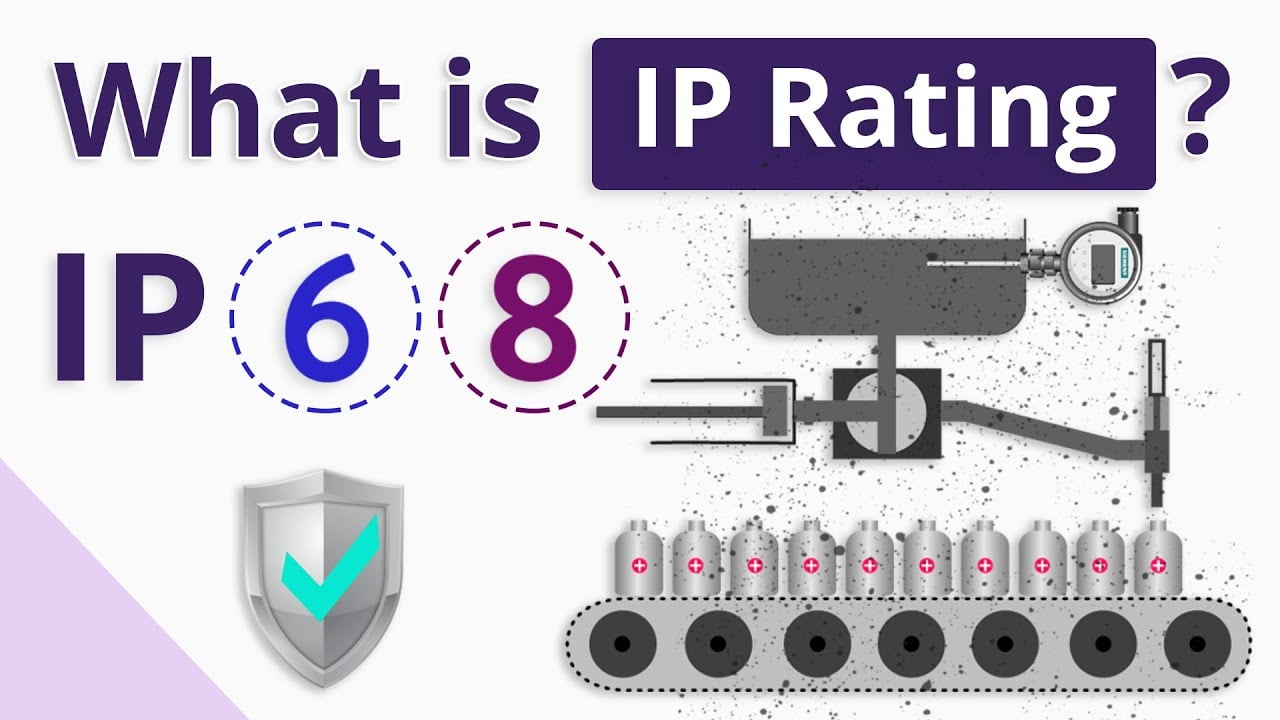
IP40 is an enclosure protection classification, not a statement that a switch is waterproof or dust-tight. The first digit concerns defined protection against access and solid foreign objects; the second digit, zero, provides no water-protection classification. When a control is installed in a cabinet, identify exactly which surface or assembly the stated rating covers. A protected front operator does not automatically protect rear terminals, and a rated cabinet does not automatically retain its rating after an unverified panel modification. This guide focuses on those boundaries inside industrial control equipment.
Read the claim before comparing the number
Find the exact wording in the product documentation. A rating may apply to a front face when mounted as specified, to a complete device, or to an enclosure in a defined assembled condition. These claims describe different boundaries. Record the applicable configuration, mounting instructions and any required accessories rather than copying an isolated IP number into a purchasing table.
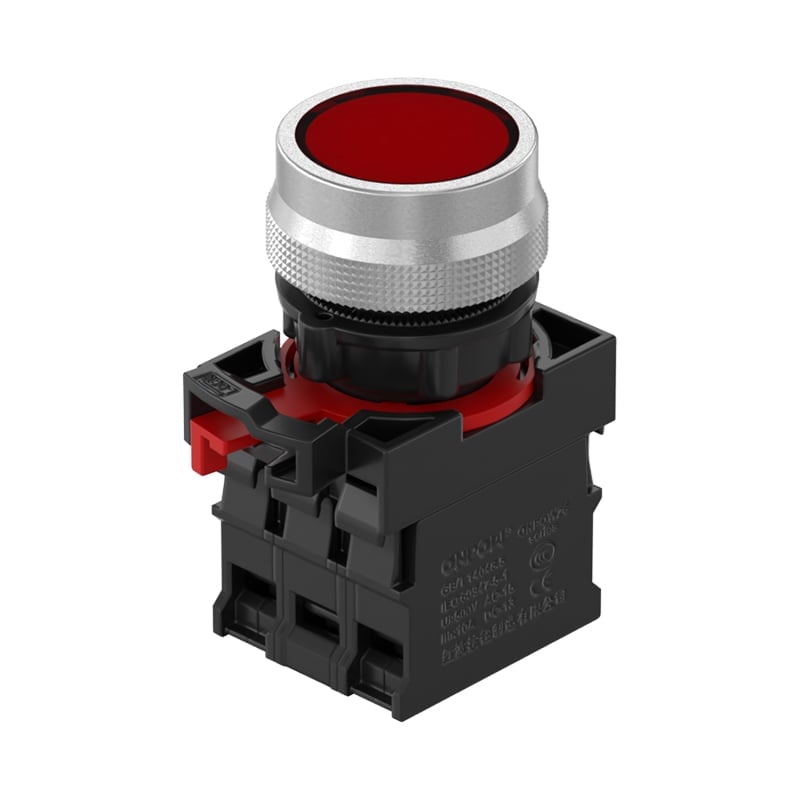
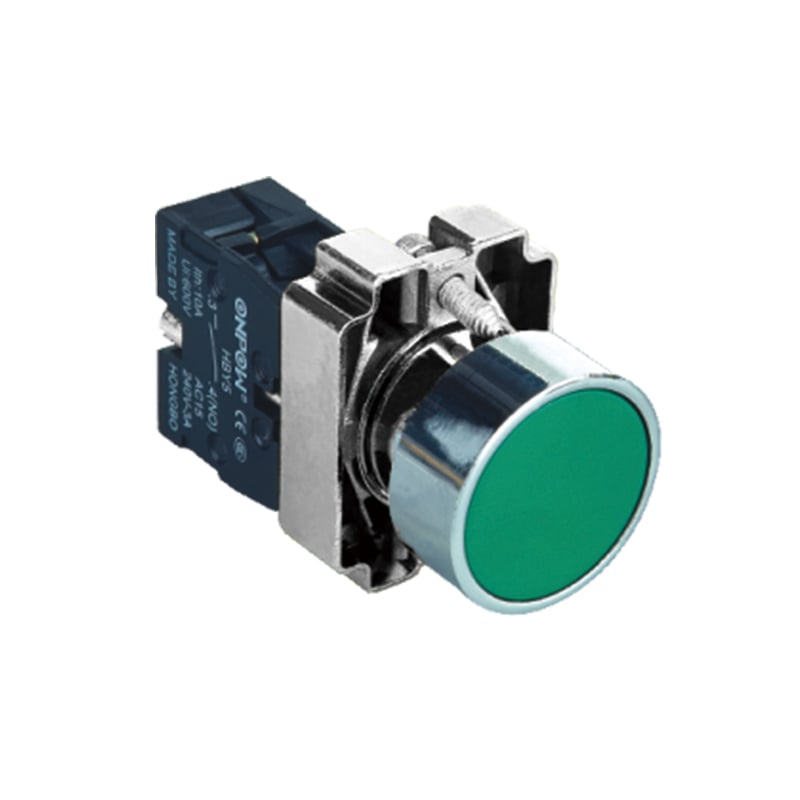
Do not infer an IP classification from a photograph or material. A metal bezel, rubber-looking seal or enclosed rear block is not a test result. The Producto ONPOW26-11 is used here as a real product-form reference, not as a claim that the illustrated assembly is rated IP40 or any other particular class.
For a wider introduction, consult the existing push button IP rating explanation. This article addresses the narrower installation question: how component, panel and cabinet protection boundaries interact after the control is installed.
Understand what IP40 does not establish
The IP code under IEC 60529 addresses defined enclosure protection tests. IP40 should not be described as waterproof, washdown-ready or dust-tight. Its zero water digit does not provide a water-protection classification. That limitation matters even when the equipment is normally used indoors, because spills, cleaning and condensation can still be relevant application conditions.
An IP classification also does not, by itself, establish chemical resistance, corrosion resistance, electrical load capability, impact resistance or suitability for a hazardous location. Each of these requires the appropriate evidence. Do not combine separate marketing descriptions into an unsupported claim about the completed equipment.
Keep electrical shock protection and safe maintenance within the equipment-level review. An IP number is not permission to work inside an energized cabinet or to assume that every internal part is inaccessible. Follow the applicable design and safe-working requirements for the actual installation.
Draw the protection boundaries in plain terms
Separate the exposed operator face, the panel opening and seal, the rear assembly, and the cabinet enclosure. Identify the environment on each side. The outside may be exposed to cleaning while the rear is intended to remain inside a controlled dry enclosure. That arrangement must be supported by the finished design rather than assumed from one component rating.
Include other openings and interfaces in the review. Cable entries, vents, door seals and unused cutouts can affect the completed enclosure. A carefully selected push button cannot compensate for an unrelated unsealed opening. Conversely, an internal component’s lower protection class does not by itself describe the protection offered by the closed cabinet around it.
| Límite | Cuestión que debe resolverse | Evidence needed |
|---|---|---|
| Operator face | Which exposed area does the claim cover? | Exact product statement and configuration |
| Panel mounting | What opening, stack and seal are required? | Approved installation drawing |
| Rear assembly | What environment is permitted behind the panel? | Component and equipment requirements |
| Cabinet | What rating applies to the finished enclosure? | Enclosure documentation and assembly assessment |
| Added openings | Have cutouts or cable entries changed protection? | Approved modification and verification |
| Maintenance state | What changes when the door is open? | Safe access and isolation procedure |
This table is a boundary checklist rather than an enclosure certification method. The responsible equipment designer must determine the applicable requirements and verification for the finished assembly.
Review the panel opening and mounting stack
cURL Too many subrequests by single Worker invocation. To configure this limit, refer to https://developers.cloudflare.com/workers/wrangler/configuration/#limits.
cURL Too many subrequests by single Worker invocation. To configure this limit, refer to https://developers.cloudflare.com/workers/wrangler/configuration/#limits.
El Guía de botón de presión montada en panel cURL Too many subrequests by single Worker invocation. To configure this limit, refer to https://developers.cloudflare.com/workers/wrangler/configuration/#limits.
Decide whether the cabinet interior is actually controlled
cURL Too many subrequests by single Worker invocation. To configure this limit, refer to https://developers.cloudflare.com/workers/wrangler/configuration/#limits.
cURL Too many subrequests by single Worker invocation. To configure this limit, refer to https://developers.cloudflare.com/workers/wrangler/configuration/#limits.
cURL Too many subrequests by single Worker invocation. To configure this limit, refer to https://developers.cloudflare.com/workers/wrangler/configuration/#limits.
Keep cleaning requirements separate from water ratings
cURL Too many subrequests by single Worker invocation. To configure this limit, refer to https://developers.cloudflare.com/workers/wrangler/configuration/#limits.
cURL Too many subrequests by single Worker invocation. To configure this limit, refer to https://developers.cloudflare.com/workers/wrangler/configuration/#limits.
cURL Too many subrequests by single Worker invocation. To configure this limit, refer to https://developers.cloudflare.com/workers/wrangler/configuration/#limits IP65 versus IP67 sealing discussion for related selection boundaries. Neither a higher number nor a front-face claim removes the need to verify rear connections and other enclosure interfaces.
Manage replacements and panel modifications
A replacement with the same mounting diameter can have a different sealing arrangement or protection scope. Check the exact configuration before accepting it. Confirm the mounting stack, front and rear requirements and any accessory changes, together with the electrical and mechanical function.
Treat a new panel hole or relocated control as an equipment change. Review the surrounding enclosure and record how the modification is verified. Do not preserve an old cabinet rating in documentation without checking whether the altered assembly still meets the relevant requirements.
For receiving controls, use inspección de recepción de pulsadores. Compare the delivered code and accessories with the configuration used for the protection decision. A missing seal or a substituted mounting component should remain an unresolved discrepancy until its effect is assessed.
Ask for protection evidence that matches the application
A useful supplier inquiry identifies which surface is exposed, what environment exists behind it and how the equipment will be cleaned. Include the panel material and stack, intended enclosure, cable interfaces and any relevant environmental conditions. Ask for the exact rating scope and installation instructions rather than simply requesting “a waterproof button.”
Keep other requirements in separate fields: electrical duty, impact, chemical exposure, corrosion, operating temperature and access conditions. This prevents a strong result in one category from hiding missing evidence in another. It also makes alternatives easier to compare without inventing equivalence between unrelated classifications.
Contact ONPOW with the complete installation requirements and product codes when the front/rear boundary is unclear. The goal is a documented component and enclosure arrangement suitable for the actual equipment, with explicit limits and a maintainable installation.
Verify the finished condition and preserve the record
The equipment’s responsible personnel should establish the required inspection and testing for its applicable standards and use. Record the product configuration, panel drawing, accessories and enclosure condition used in that assessment. Do not convert a component datasheet into a certificate for the whole cabinet.
Include maintenance instructions that preserve the intended condition. Replacement seals, cable-entry changes and panel modifications should follow the approved process. Make the boundary clear to service personnel so that an internal component is not exposed to an environment the equipment design was intended to exclude.
When reporting a result, distinguish documented component ratings, finished-equipment verification and unresolved application questions. These are different evidence levels. Clear records allow future changes to be reviewed without relying on an old assumption that “the cabinet was waterproof.”
Preguntas frecuentes
¿Es impermeable el grado de protección IP40?
No. The zero water digit provides no water-protection classification. Do not select an IP40 claim as evidence for spray, washdown or immersion suitability.
¿Puede un componente interno tener una clasificación diferente a la del armario?
Yes, the claims can cover different boundaries. The equipment designer must verify that the closed enclosure and installation provide the required environment for the internal component.
¿Una clasificación frontal cubre los terminales traseros?
Not automatically. Read the exact manufacturer’s scope and mounting conditions. The rear assembly may have separate requirements that the finished enclosure must address.
¿Una clasificación IP demuestra resistencia química?
No. Cleaning-product and process compatibility require separate evidence for the complete assembled product and the intended exposure conditions.
Referencias y alcance
IEC’s IEC 60529 publication information identifies the enclosure protection standard. Seguridad en el mantenimiento eléctrico de HSE y Guía del HSE sobre mantenimiento de equipos support the maintenance and safe-access context. Use the applicable standard and exact manufacturer documentation for classification details and installation requirements.
Información adicional
Neutral industrial-automation education explaining the IP code. The explanation does not certify an ONPOW component or the finished cabinet; use the exact scope and installation conditions in the relevant documentation.