

조명된 푸시 버튼 렌즈 투과율 증거는 투명 재료 측정과 완성된 표시기의 가시성을 구별해야 합니다. 투과율 퍼센트만으로는 구매자가 밝은 제어판에서 색상 버튼이 쉽게 인식될지 여부를 알 수 없습니다. 먼저 시편, 광학 방법 및 숫자 뒤의 조건을 식별하세요. 그런 다음 실제 LED, 렌즈, 레전드 및 설치를 설명하는 별도 검사를 확립하세요. 이 가이드는 조달 및 엔지니어링 팀이 광학 문서를 검토하면서 완성품에 대한 무책임한 가정을 피하는 데 도움을 줍니다. 여기서 보여주는 ONPOW 예제에 대해 투과율 값이나 밝기 등급을 주장하지 않습니다.
답변이 필요한 광학 질문부터 시작하세요
재료 엔지니어는 정의된 실험실 방법에 따라 투명 플라스틱 판을 비교하고 싶어 할 수 있습니다. 패널 디자이너는 조명된 기호가 작업자의 시야 위치에서 배경과 구별되는지 확인해야 할 수도 있습니다. 이것들은 관련된 질문이지만, 첫 번째 질문에 대한 문서가 두 번째 질문을 자동으로 해결하지는 않습니다.
보고서를 요청하기 전에 의도하는 승인 우려 사항을 작성하세요. 유용한 설명에는 지정된 투명 재료와 비교하기, 승인된 기준에 대한 색상 렌즈 샘플 평가, 또는 완성된 조명 조립체의 가독성 확인이 포함됩니다. 광학 부품이 수행해야 하는 역할을 명확히 말하지 않고 “최고의 투과율'을 요청하는 것을 피하세요.
승인 대상물을 일관되게 유지하세요. 원자재 시트, 성형 렌즈, 전원 스위치 조립체는 서로 다른 시험 대상입니다. 제출된 결과가 시트에 관한 것이라면, 요구 사항이 완성된 렌즈에 관한 것이라면, 이를 연결하는 데 필요한 추가 증거를 문서화하세요. 차이점은 구매 기록 전체에 걸쳐 명확하게 보여야 합니다.
지정된 투과율 방법의 범위를 확인하세요
The ISO 13468-2에 대한 BSI 범위 평면, 투명하고 상당히 무색인 플라스틱 재료에 대한 이중 빔 기기를 이용한 전체 광속 투과율 시험을 설명합니다. 이 범위는 공급자가 강한 색상, 확산, 텍스처 또는 곡선형 광학 부품에 대한 증거를 제출할 때 중요합니다. 익숙한 표준 번호가 명시된 범위 외의 시편에 적합하다고 가정하지 마세요.
보고서가 실제 사용하는 표준 부품과 기기 방법을 기록하세요. 검토자는 누락된 방법 필드를 익숙한 명칭으로 채우거나 모든 광학 보고서가 동일한 측정 방식을 사용하는 것으로 가정해서는 안 됩니다. 발행 실험실에 절차를 확인하고 그 절차가 제출된 시편에 어떻게 적용되는지 설명하도록 요청하세요.
공개 범위를 활용하여 관련성을 선별한 후, 실험실과 적용 가능한 전체 절차를 참고하여 운영 세부 사항을 확인하세요. 이 기사는 그 절차를 대체하는 것이 아닙니다. 표준 범위 외에 시편이 해당하는 경우, 적절한 대체 방법이나 명확하게 설명된 적응 측정법을 요청하고, 최종 결정에 제한 사항을 유지하세요.
전체 투과가 해결하지 못하는 부분을 이해하세요
투과는 재료를 통과하는 빛에 관한 것입니다. 반사와 흡수도 표면에 만난 후 이용 가능한 빛에 영향을 미칩니다. 이 Bozeman Science의 광학 상호작용 설명 유용한 개념적 배경을 제공합니다. 색상 재료는 서로 다른 파장과 다르게 상호작용할 수 있으므로, 하나의 광원 아래에서 동일한 외관이더라도 모든 광원에서의 행동을 보장하지 않습니다.
구매 시, 전체 투과광과 그 광의 분포 및 외관을 구별하십시오. 렌즈는 빛을 전달하면서 다르게 퍼뜨릴 수 있습니다. 레전드는 조명된 배경과의 대비가 낮으면 구별하기 어려울 수 있습니다. 따라서 재료 비율은 완성된 제어를 읽는 인간 운영자에게 관련된 증거의 일부에 불과합니다.
투과와 LED 전기 등급을 동일시하지 마십시오. 공급된 전압, 광원 출력, 광학 배열 및 최종 시야각은 조립 평가에 속합니다. 투명 쿠폰 결과나 사진만으로는 해당 전기적 또는 광도 특성을 확립할 수 없습니다. 재료 시험에서 유도하기보다는 관련 조립 정보를 요청하십시오.
시편을 실제 렌즈 구성에 맞추세요
재료 식별, 색상, 두께, 표면 마감 및 시편 준비를 기록하십시오. 보고서가 공급업체의 표준 플라크, 프로젝트용 샘플 또는 성형 부품에서 가져온 조각에 관한 것인지 문의하십시오. 이러한 설명은 검토자가 결과가 일반 폴리머에서 만든 모든 항목이 광학적으로 동일하다고 가정하지 않고도 합리적으로 지지할 수 있는 내용을 이해하는 데 도움이 됩니다.
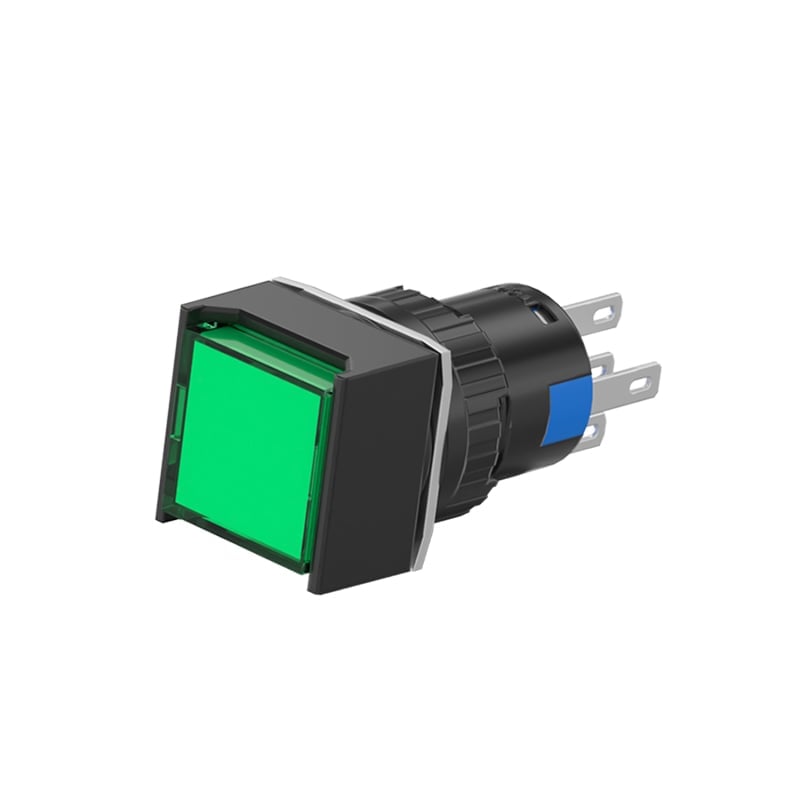
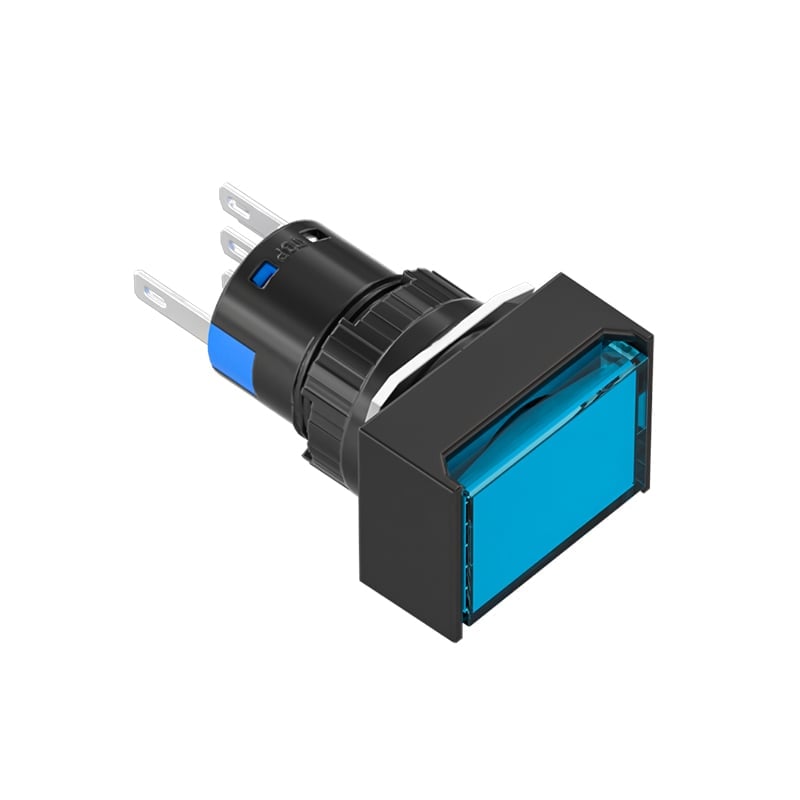
사용하기 ONPOW LAS1-A 정사각형 제품 페이지 정보 요청 시 실제 구성을 식별하기 위해서입니다. 이 문서의 제품 이미지는 식별 예시입니다. 이들은 렌즈의 구성, 측정된 투과율 또는 모든 주문 옵션에 대한 특정 광학 보고서의 가용성을 확립하지 않습니다.
구매 구성에 레전드, 디퓨저 또는 추가 광학 요소가 포함된 경우, 문의에 포함시키십시오. 인쇄되지 않은 투명 플라크에 대한 보고서는 완성된 레전드의 외관을 설명하지 않습니다. 마찬가지로, 다른 렌즈 색상 또는 마감은 이미 제공된 증거와의 문서화된 관계를 필요로 할 수 있습니다. 대체품 승인 전에 명확성을 요청하십시오.
문서 비교 표를 사용하세요
다음 표는 구매 검토를 조직합니다. 이는 광학 수용 한계보다 정성적 조치를 제공합니다. 범위 구분은 위에 연결된 표준에서 비롯되며, 작업 흐름은 증거와 열린 질문을 가시적으로 유지하는 제안된 방법입니다.
| 구매 질문 | 유용한 문서 세부 사항 | 필요 시 별도 후속 조치 |
|---|---|---|
| 무엇이 측정되었나요? | 재료 플라크, 완성 렌즈 또는 전원 조립품 | 실제 수용 대상에 대한 증거 확보 |
| 어떤 방법이 사용되었나요? | 표준 부품, 버전 및 계측 접근법 | 시편이 명시된 범위에 부합하는지 문의하십시오 |
| 샘플이 대표성 있나요? | 재료, 색상, 두께, 마감 및 샘플 식별자 | 주문된 렌즈에 대한 연결 요청 |
| 보고된 광학 결과는 무엇입니까? | 수량, 조건 및 결과 표시 | 밝기 또는 가시성 주장 대체를 피하십시오 |
| 범례가 포함되어 있습니까? | 인쇄 또는 조각된 구성 및 기준 샘플 | 완성된 기호와 배경을 함께 평가하십시오 |
| 작업자가 명확하게 볼 수 있습니까? | 조립을 위한 정의된 시야 및 주변 조건 | 별도로 적용 가시성 검토 |
| 변경 후에는 어떻게 됩니까? | 렌즈, 광원 및 광학 소자의 개정 기록 | Reassess the affected evidence |
자료 차이를 숨기지 않고 보고서를 비교하세요
Consider an illustrative purchasing comparison. One report concerns a flat, substantially colorless plaque of a stated thickness. Another concerns a colored curved cap measured using an adapted setup. The percentages should not be ranked as if both documents describe the same test object and method. Ask the responsible reviewer whether a valid comparison can be established, or whether a common specimen and method are needed.
Preserve the difference between “not comparable” and “unacceptable.” The second report could be useful for a specific project even when it cannot be compared directly with the first. The important point is to state the intended use of the data and avoid presenting a method difference as a demonstrated product deficiency.
If a marketing sheet and a laboratory report disagree, request the source and revision of each claim. Do not copy the preferred percentage into a combined specification without resolving the discrepancy. A dated clarification that identifies specimen and conditions is more useful than an unsupported average of two numbers.
완성된 표시기 가시성을 별도로 검증하세요
For the finished assembly, agree which operating state, source configuration, legend and ambient setting need evaluation. The relevant question may be recognition from an oblique position, contrast against the unlit state or readability in the expected lighting. Define these conditions with the equipment team rather than inventing one universal brightness threshold for all control panels.
Photographs can document an agreed sample but are not a substitute for controlled optical evidence. Camera exposure, white balance and the display used to view an image can change apparent brightness and color. Use photographs to identify configurations and communicate observations, with the measurement or sample-acceptance basis recorded separately.
Environmental and aging requirements remain separate as well. A fresh specimen’s transmission result does not demonstrate long-term retention of an assembled indicator’s visibility. Consult the 재료 열 내구성 가이드 when long-term material evidence is part of the requirement, while recognizing that thermal endurance and optical transmission answer different questions.
효과적인 문의 및 승인 기록을 준비하세요
The broader laboratory scope review guide helps organize who measured what and under which declared scope. For optical evidence, include the named specimen and measurement method in that record. The identity of the laboratory alone cannot connect an unidentified plaque to the actual lens on a purchase order.
Related material information can help investigate a substitution without proving optical equivalence. The plastic water absorption guide explains a separate material traceability check. A water absorption result should not be used to infer transparency, color or lens composition, but keeping the records together can reveal whether reports refer to different samples.
When contacting ONPOW, provide the exact product configuration, lens color, legend needs, intended viewing environment and the evidence your project requires. Ask which information is available for that configuration and identify any application evaluation still needed. At acceptance, close the material measurement and finished visibility requirements separately, retaining unresolved questions instead of turning a material percentage into an unconditional approval.
자주 묻는 질문
더 높은 투과율이 항상 더 나은 조명 버튼을 의미합니까?
No. A finished indicator must meet its intended visibility and identification needs. Lens color, light distribution, legend contrast, source configuration and ambient conditions can matter alongside transmitted light. Review the actual assembly requirement rather than ranking products by an isolated percentage.
무색 평판이 보고서가 색상이 있는 곡면 렌즈를 인증할 수 있나요?
It does not automatically establish coverage of that lens. Check the method’s scope, the specimen identity and the documented relationship to the ordered part. Ask the laboratory or responsible reviewer what additional evidence is needed.
투과율이 밝기와 같은 것입니까?
No. Transmittance describes light passing through a specimen under a defined measurement basis. The brightness or visibility of an assembled indicator depends on additional optical, electrical and viewing conditions that need their own evidence.
구 보고서를 사용하여 새 렌즈 색상을 수용할 수 있나요?
Only after reviewing whether the existing evidence adequately covers the change for your specification. Keep the color and sample identifiers explicit, request the supplier’s explanation and retain any remaining assembly visibility checks in the acceptance record.
추가 학습 자료
Bozeman Science explains reflection, absorption and transmission of light. This supports the optical concepts only; it does not measure ONPOW lenses or establish indicator visibility.
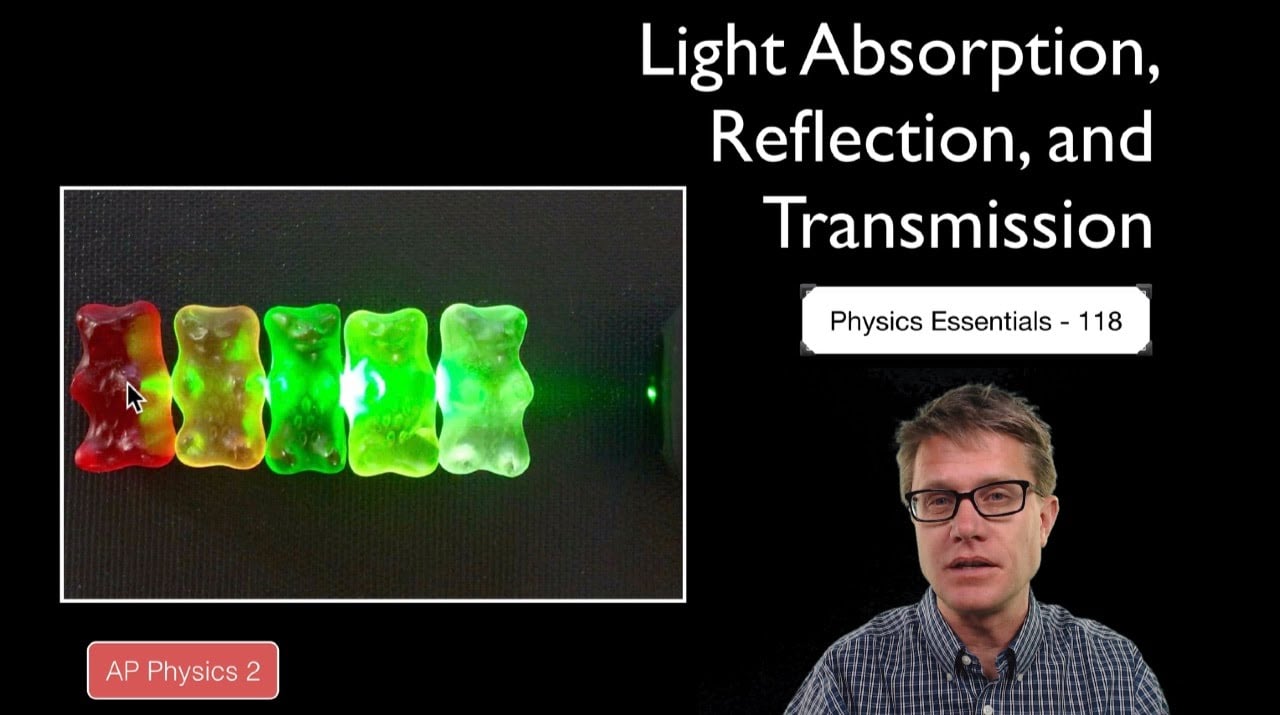
Light Absorption, Reflection, and Transmission — Bozeman Science



