

A push button plastic FTIR identity report can help check whether a submitted sample is consistent with a reference polymer. Start with the sampled component, measurement method and reference spectrum, then examine the interpretation and its limits. A library match alone does not establish an exact commercial resin grade, a complete formulation, regulatory compliance or the performance of an assembled switch. For purchasing teams, the useful outcome is a traceable material comparison that answers a defined question about a defined part. This guide explains how to review that evidence without turning a laboratory identification into an unsupported product claim.
Decide what the identification must resolve
Before requesting a scan, write down the purchasing question. You might need to investigate an unexpected delivery, compare a replacement component with an approved sample, or clarify which polymer family a supplier has declared. These are different assignments. A report that merely names a likely polymer cannot settle whether a particular additive package or manufacturing process remained unchanged.
Define the object narrowly. A complete button can contain several plastic pieces, a lens, surface markings and other materials. A result from the actuator surface should not automatically describe the housing underneath. Ask the supplier to mark the sampled location on a photograph and relate it to the purchase description, drawing revision and batch. The laboratory should receive this question before choosing its sampling approach.
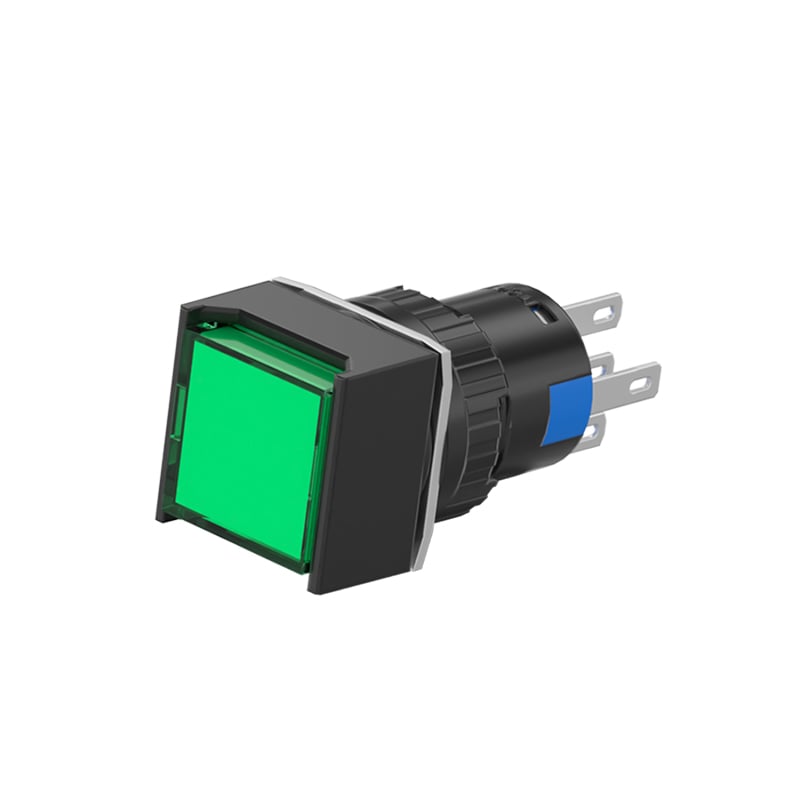
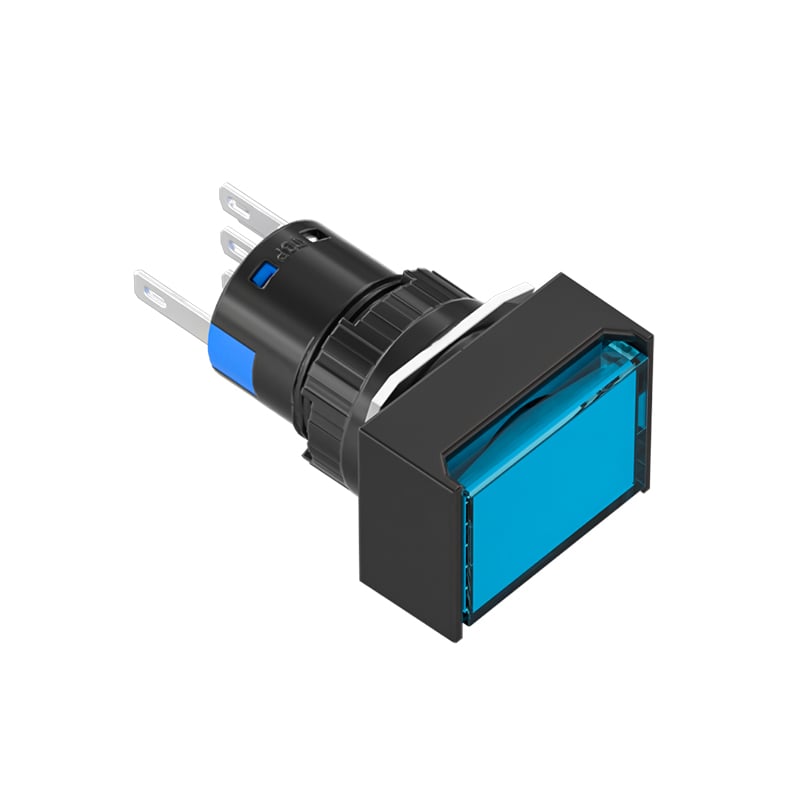
For an example of a product configuration to identify, see the Strona produktu ONPOW LAS1-A. Its photographs help specify the component being discussed. They are not evidence of resin chemistry, an FTIR result or a particular material grade.
Understand the measurement before reading the conclusion
NIST describes FTIR spectroscopy as a method for examining molecular structure through infrared interactions. It lists several sampling approaches, including transmission, reflectance and attenuated total reflectance. The practical buying implication is simple: a report should tell you how the spectrum was obtained, rather than presenting an unexplained image beside a material name.
The pattern of spectral features can support a comparison with a known reference. However, the quality of that comparison depends on the material sampled and on the reference chosen. Request both the measured spectrum and the relevant reference overlay, with labelled axes. Keep the analyst’s interpretation attached to the plots; an exported picture separated from its report can lose important qualifications.
Do not interpret the vertical scale as a direct ingredient percentage unless a suitable quantitative method and calibration are explicitly documented. Identification and quantification answer different questions. A purchasing requirement for an exact concentration needs an appropriate analytical plan, not an assumption based on the height of a peak.
Check the sampled surface and preparation history
An ATR measurement primarily concerns material contacting the crystal. MIT’s FTIR guidance explains why a coating or residue can dominate the result and why a database suggestion must be interpreted cautiously. This matters for a button with printed markings, handling contamination or a treated surface. An unexpected spectrum can reflect the sampled layer rather than a change throughout the molded component.
Ask whether the sample was scanned as received, cleaned, cut, or examined on an interior surface. Record those steps without inventing your own cleaning procedure. Laboratory preparation must suit the actual material and equipment. Retain an untouched comparison piece where practical, so that a later investigation can distinguish the delivered condition from the prepared specimen.
If several locations were measured, ask for individual location identifiers. Combining plots without showing where they came from makes it difficult to know whether the laboratory saw a consistent material or several different layers. For a molded part with a visible surface feature, a simple annotated sampling map can be more valuable than an extra page of unexplained library hits.
Review the report as an evidence chain
The following table is a purchasing review aid, not a universal test procedure. Its measurement boundaries follow the NIST and MIT references above; the document controls are a proposed way to keep the evidence connected to the order.
| Element raportu | Co należy zażądać | What it helps prevent |
|---|---|---|
| Tożsamość próbki | Part description, batch reference and sampled location | Applying a result to the wrong component |
| Przygotowanie | As-received condition and any cleaning or sectioning | Confusing surface changes with bulk differences |
| Pomiar | Sampling mode and recorded acquisition settings | Comparing unexplained spectra from unlike setups |
| Reference | Identified control sample or named library entry | Accepting an untraceable material label |
| Interpretation | Overlay, relevant features and analyst qualifications | Treating an automatic match as a complete conclusion |
| Rozmieszczenie | Defined question answered and unresolved questions | Extending identification into a performance approval |
A report need not use your exact form, but each required connection should be recoverable. If an identification statement arrives without a batch reference, request an addendum linking the tested sample to the supplied goods. Do not fill that gap by assuming that similar-looking buttons came from the same material lot.
Compare an approved sample with a new delivery
cURL Too many subrequests by single Worker invocation. To configure this limit, refer to https://developers.cloudflare.com/workers/wrangler/configuration/#limits.
cURL Too many subrequests by single Worker invocation. To configure this limit, refer to https://developers.cloudflare.com/workers/wrangler/configuration/#limits.
cURL Too many subrequests by single Worker invocation. To configure this limit, refer to https://developers.cloudflare.com/workers/wrangler/configuration/#limits.
Recognize what FTIR cannot approve on its own
cURL Too many subrequests by single Worker invocation. To configure this limit, refer to https://developers.cloudflare.com/workers/wrangler/configuration/#limits.
cURL Too many subrequests by single Worker invocation. To configure this limit, refer to https://developers.cloudflare.com/workers/wrangler/configuration/#limits.
cURL Too many subrequests by single Worker invocation. To configure this limit, refer to https://developers.cloudflare.com/workers/wrangler/configuration/#limits cURL Too many subrequests by single Worker invocation. To configure this limit, refer to https://developers.cloudflare.com/workers/wrangler/configuration/#limits cURL Too many subrequests by single Worker invocation. To configure this limit, refer to https://developers.cloudflare.com/workers/wrangler/configuration/#limits cURL Too many subrequests by single Worker invocation. To configure this limit, refer to https://developers.cloudflare.com/workers/wrangler/configuration/#limits addresses a different measurement. Neither should be presented as a substitute for spectral identity evidence.
Turn an uncertain result into a useful follow-up
Suppose a supplier submits a likely polymer name while your approved drawing specifies a named grade. The next action is to ask what evidence connects the likely identification to that grade. A supplier declaration, resin purchase record and controlled material specification may be relevant. Another automatic spectrum search will not necessarily close a missing supply-chain connection.
If a surface and interior result disagree, ask whether the product intentionally contains different layers or components. Request separate identification of the sampled regions and a statement of which result answers your original question. Avoid averaging unlike materials into one nominal identity. Keep a clear record if the investigation changes from routine identification to contamination analysis.
Where the evidence remains inconclusive, document an open item rather than converting uncertainty into a pass. The disposition can be limited to a specific batch or component while engineering decides whether additional work is necessary. This allows purchasing to communicate a precise request without making an unsupported allegation or accepting an unsupported assurance.
Prepare the supplier inquiry and acceptance record
Send the exact order reference, component description and reason for comparison. Include photographs with sample locations, the declared material specification, any approved reference and the decision needed from the laboratory. Ask for the complete report with plots, preparation notes and an interpretation signed or otherwise attributable to the responsible organization.
Set acceptance criteria before reviewing the result. The criteria might require consistency with a controlled reference plus a documented supplier material declaration. They should not be invented after seeing a convenient library score. If a report is informational only, say so explicitly and identify which engineering approval remains outstanding.
Finally, keep the report version, supplier response and disposition together. Record who accepted the evidence, the scope of that acceptance and any conditions. For future orders, specify what change would trigger renewed review: a declared resin change, a different component source or a relevant unexplained difference, for example. Contact ONPOW with the exact product configuration and required evidence so that the request can be checked against the ordered item.
For the wider evidence review, use the przewodnika zakresu akredytacji laboratorium to check which activities a laboratory document actually covers. Keep the accreditation review separate from acceptance of the specific material result.
Często zadawane pytania
Does an FTIR match prove the exact resin grade?
Not by itself. A spectral comparison can support a material identification, but an exact commercial grade may require controlled supplier documents and additional evidence. Ask the analyst to state the supported identification level and unresolved limitations.
Can one surface scan describe the complete push button?
No. The conclusion applies to the sampled region and method. A button can contain several components or surface layers, so the report should identify the location rather than assign one result to the complete assembly.
Should an unexpected spectrum cause immediate rejection?
Investigate the difference against the agreed requirement. Check preparation, sampling location, reference quality and the analyst’s explanation before deciding whether the evidence demonstrates a relevant material nonconformity.
Can this report replace switch performance testing?
No. Material identity evidence does not establish contact ratings, sealing, endurance or equipment suitability. Keep those requirements linked to the exact ordered configuration and their own verified evidence.
Dalsza lektura
The Royal Society of Chemistry demonstrates infrared measurement of solid samples. This introduces sampling practice, not certification or testing of an ONPOW component.
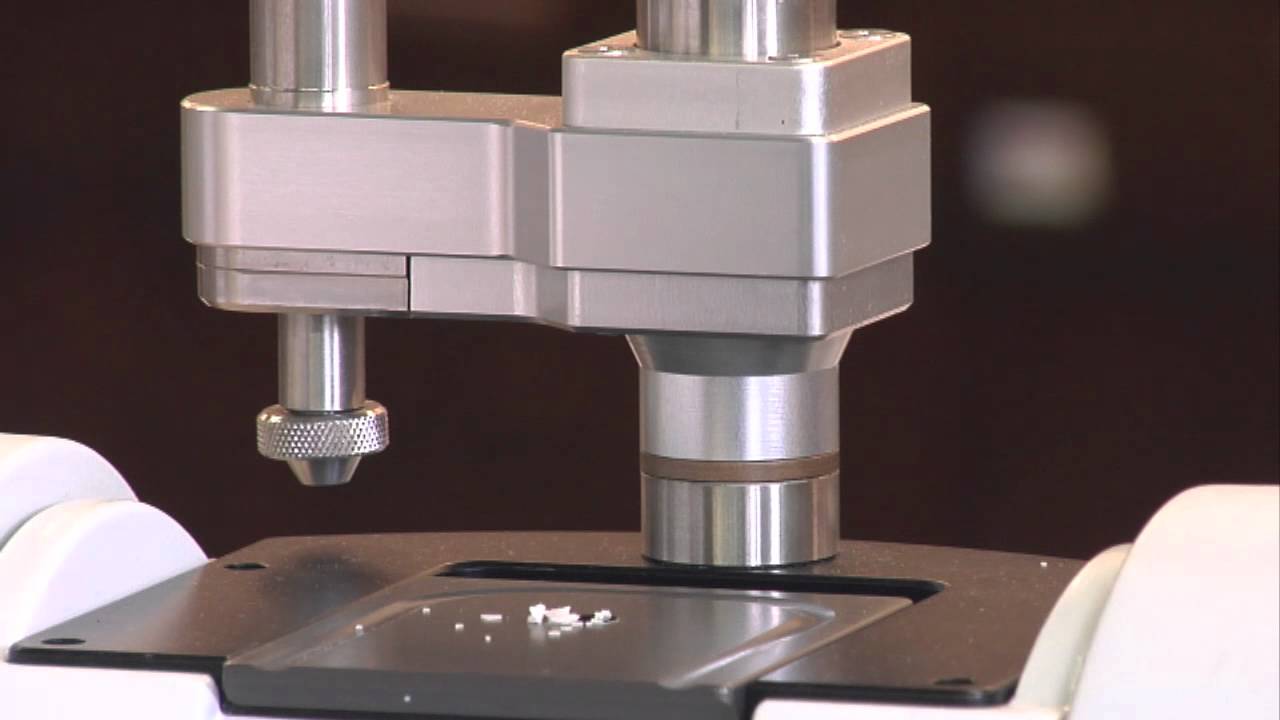
Spectroscopy in a Suitcase: Using an IR spectrometer (solid samples) — Royal Society of Chemistry



