

A антивандальная кнопка лучше всего указывать в виде смонтированного узла, а не в качестве автономной гарантии безопасности, герметичности или ударопрочности. Перед выпуском панели проверьте чертеж выбранного оператора, вырез, крепежную фурнитуру, толщину панели, передний зазор, пространство для задних выводов, принцип действия и документацию. Тот же металлический оператор может давать совершенно разные результаты при изменении монтажного пакета или интерфейса корпуса.
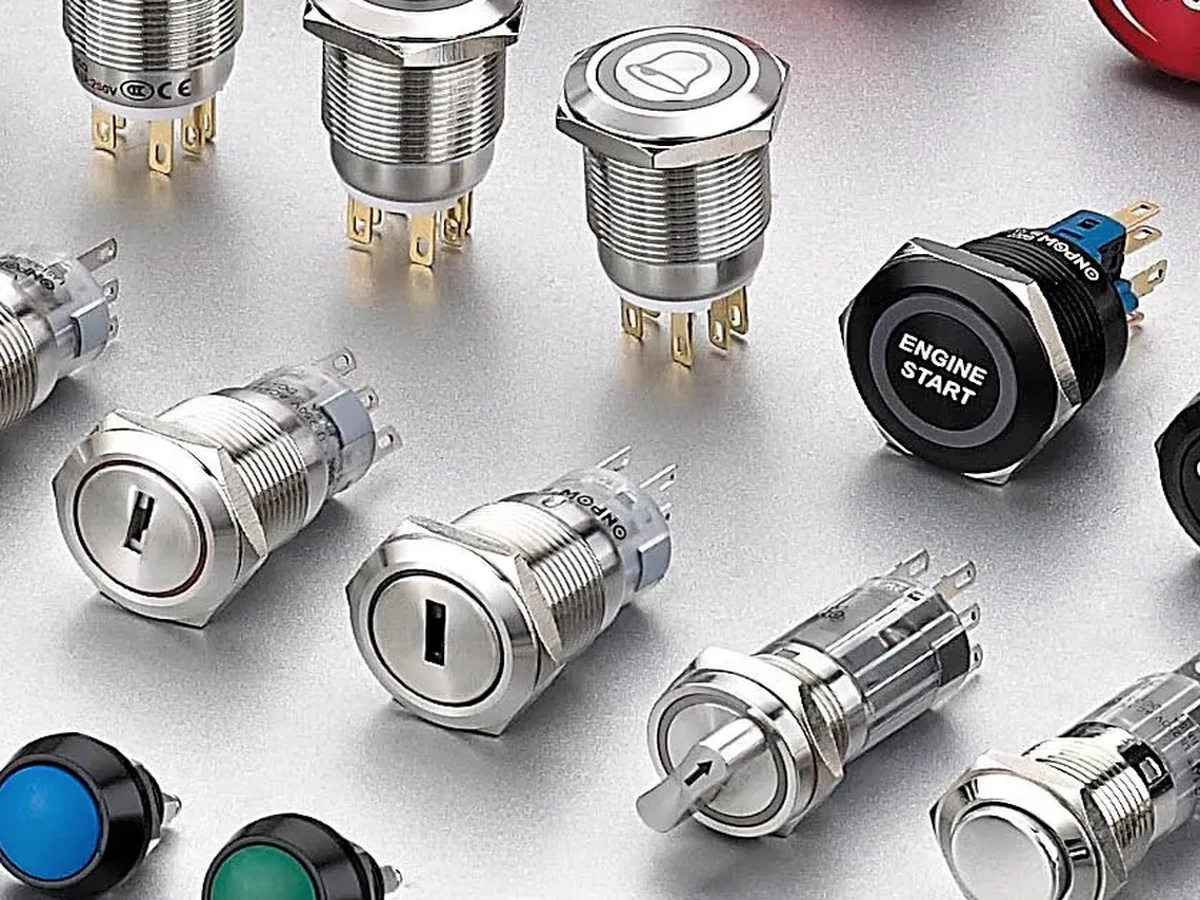
Часть 1. Прочитайте этикетку в качестве обзора монтажа
“Вандалозащищенный” — это поисковый запрос, который может привести к кнопкам контроля доступа, промышленным металлическим операторам, устройствам для общественных панелей, изделиям с подсветкой и различным вырезам под панели. Эта метка может помочь внести кандидатское изделие в список для рассмотрения, но она не определяет размер отверстия в панели, комплект крепежа, тип контактной группы или характеристики установленного корпуса.
Начните с интерфейса. Найдите на выбранном чертеже обозначение крепежного отверстия, форму корпуса, полезную длину монтажа, гайку или способ фиксации, расположение прокладки и передний профиль. Затем изучите предполагаемое использование и соответствующие требования проекта. Такая последовательность мешает покупателю выбрать знакомый металлический вид до того, как он узнает, можно ли вообще установить узел и обслуживать его.
| Вопрос | Доказательства для контроля | Почему это важно |
|---|---|---|
| Что описывает этикетка? | Чертеж и данные изделия для выбранного элемента | Превращение общего термина в показатель эффективности |
| Что такое интерфейс панели? | Вырез, допуск, толщина панели, ключирование | Определяет, возможно ли монтирование |
| Что такое функция оператора? | Действие, потребность в контакте, намерение освещения | Отделяет механику от цели управления |
| Что окружает оператора? | Расположение элементов на лицевой панели, надписи, защитный элемент, задняя крепежная фурнитура | Принять отзыв в качестве решения собрания |
Для варианта использования с публичным доступом, руководство по защищенной от вскрытия общественной панели предоставляет отдельную тему. Его не следует использовать для вывода о том, что каждая металлическая кнопка обеспечивает уровень безопасности.
Часть 2. Храните данные об IP, IK и подтверждениях монтажа отдельно
Термины IP и IK часто можно увидеть рядом с вандалозащищенными изделиями, однако они отвечают на разные вопросы и применяются при определенных условиях. МЭК 60529 определяет контекст IP-кода, в то время как МЭК 62262 регламентирует степени защиты от внешних механических воздействий. Ни один стандарт не позволяет покупателю распространять маркировку одного изделия на неизвестную панель, пакет прокладок, момент затяжки, корпус или смонтированную систему.
Важно: Не используйте маркетинговое обозначение кнопки, маркировку степени защиты от проникновения (IP) или маркировку механической прочности (IK) в качестве доказательства безопасности, степени защиты от проникновения или характеристик механической прочности установленной панели. Документация на выбранное изделие, конструкция монтажа и соответствующая проектная экспертиза должны определять границы окончательной сборки. МЭК 60529 и МЭК 62262.
Земля Руководство по степеням защиты IK и Руководство по сравнению IP65 и IP67 боковое чтение полезно, поскольку оно позволяет сохранять терминологию оценки разной. Они не заменяют записи по выбранным SKU или план проверки экспертной группой.
| Категория доказательств | Что это может поддерживать | То, что оно не может выдержать в одиночку |
|---|---|---|
| Чертеж изделия | анализ физического интерфейса и конфигурации | Заключение о производительности всей панели |
| Документация по рейтингу продуктов | заявленный результат теста для заявленной конфигурации | Измененная конструкция крепления или корпуса |
| Чертеж панели | размерная цепь, зазоры и планирование обслуживания | Неподтвержденный рейтинг компонента |
| Требование к проекту | критерии приемки и потребность в документации | Замена для выбранных данных о продукте |
Часть 3. Подтвердите подпорную стенку и доступ спереди
Металлический элемент управления обычно проходит через панель и удерживается крепежными деталями, предусмотренными для данного изделия. Монтажный комплект может включать материал панели, покрытие, накладку, шайбу, прокладку, гайку и любые элементы защиты от проворачивания. Номинального круглого отверстия недостаточно, если требуется шпоночный паз, лыска, фиксирующий язычок или специальное уплотнение.
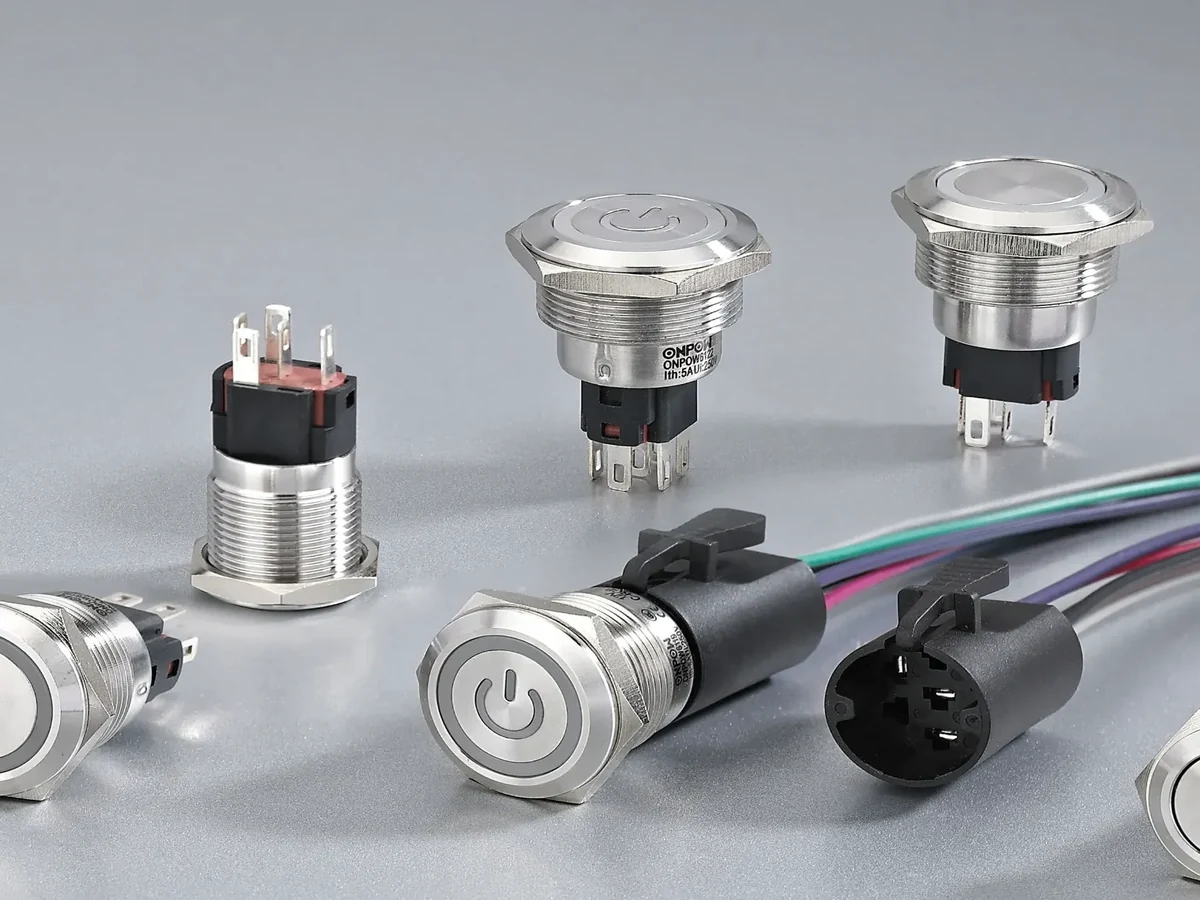
Проверьте доступ спереди одновременно. Лицевая панель должна иметь зазор относительно соседних надписей, защитных элементов, соседних операторов и края панели. руководство по компоновке панелей помогает представить это как проблему компоновки передней и задней частей, а не как решение о размере одного отверстия.
| Монтажное поле | Вопрос для обзора | Избежание доработок |
|---|---|---|
| Вырез и допуск | Определяет ли выбранный чертеж данный конкретный элемент? | Увеличение или переделка готовой панели |
| Толщина и отделка панели | Достаточна ли полезная длина корпуса после наложения всех слоев? | Гайка или набор прокладок, которые не садятся на место |
| Деталь против проворачивания | Нужно ли регулировать или выравнивать проем? | Элемент управления, вступающий в работу |
| Зазор между безелем и надписью | Может ли пользователь связаться с оператором и идентифицировать его? | Перегруженная или неоднозначная передняя панель |
Часть 4. Оставьте пространство сзади для терминалов и обслуживания
Лицевая сторона может выглядеть правильно, в то время как задняя часть не проходит сборку. Клеммы, контактные блоки, соединители, пространство для изгиба проводов, разгрузка от натяжения, кронштейны и закрытая дверь — все это занимает задний габарит. Задокументируйте вид в разрезе и метод обслуживания перед утверждением компоновки панели.
Задний доступ также влияет на обслуживание. Техническому специалисту может потребоваться затянуть крепежный элемент, отсоединить разъем, осмотреть клемму или заменить оператор без демонтажа не относящегося к делу оборудования. Предусмотренный путь обслуживания — это не второстепенная деталь; он может изменить предпочтительную форму клемм и требования к расстоянию между панелями.
| Элемент обратного конверта | Вопрос для вопроса | Последствие выбора |
|---|---|---|
| Клеммы или контактные блоки | Очищают ли они рельсы и кронштейны? | Избегает скрытых помех |
| Путь прокладки кабеля | Имеется ли пространство для изгиба и разгрузки натяжения? | Предотвращает принудительное прижатие проводников к арматуре |
| Ход двери и крышки | Очищает ли замыкание сборку? | Защищает от конфликта позднего замыкания |
| Доступ к услуге | Могут ли установка и удаление быть завершены? | Обеспечивает возможность замены |
IEC 60947-5-1 предлагает общий контекст для устройств цепей управления. Он не определяет задний габарит выбранного оператора или его использование на конкретной панели.
Часть 5. Отправьте чертежи вместе с запросом коммерческого предложения
Запрос, состоящий лишь из фразы “антивандальная кнопка”, оставляет слишком много пространства для догадок. Предоставьте упорядоченный набор информации, чтобы поставщик мог сопоставить вариант с реальным интерфейсом, назначением и требованиями к документации.
Ввод запроса предложений
| Ввод запроса предложений | Почему это важно | Распространенная ошибка предотвращена |
|---|---|---|
| Выпущенный чертеж выреза и допуск | Определяет монтажный интерфейс | Выбор по маркировке или диаметру головки |
| Материал панели, толщина, покрытие и облицовка | Тестирует стек удержания | Игнорирование слоев готовой панели |
| План компоновки фасада и экспликация | Tests access and identification | Crowding an operator after graphics release |
| Rear section and wiring envelope | Tests terminals and service clearance | Discovering a clash after assembly |
| Required action, contacts, and indication | Connects mechanics to the control need | Ordering from appearance alone |
| Project documentation request | Identifies the evidence needed for review | Assuming a rating applies without records |
Attach the drawing revision and identify whether the requirement is mechanical robustness, public access, exposure conditions, or simply a metal operator style. These are different review questions and may lead to different configurations.
Часть 6. Используйте маршруты ONPOW после того, как интерфейс станет известен
Once the interface and function are known, the GQ22 product-family route and the ONPOW metal push button category are suitable starting points for a drawing-based enquiry. They are not a confirmation that every item fits the panel or satisfies an unstated requirement.
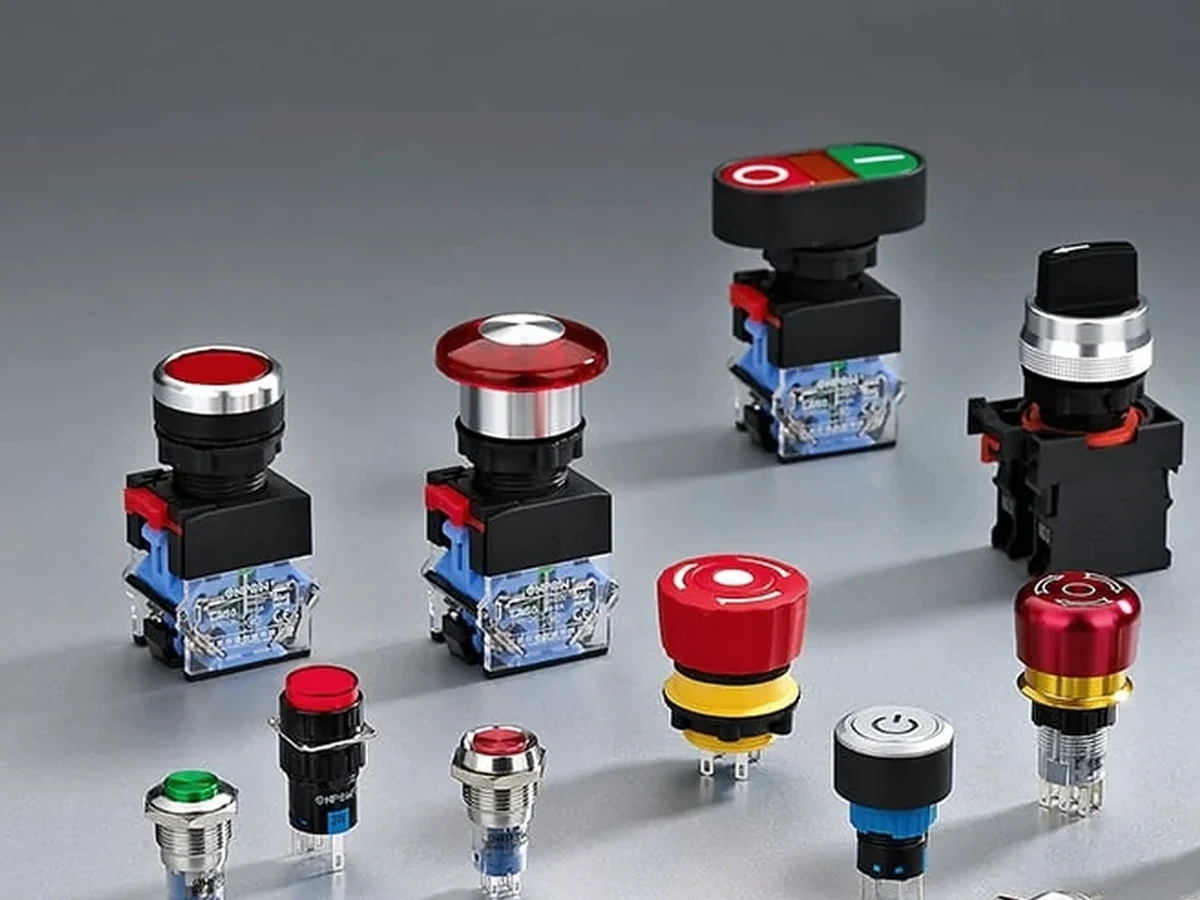
Send the panel drawing, desired action, contact need, illumination intention, environmental conditions, service-access constraints, quantity, destination, and document request to the ONPOW sales team. Ask for the selected SKU’s drawing and configuration confirmation before release. For related selection articles, visit the ONPOW Blog.
Часто задаваемые вопросы
Does vandal resistant mean an operator is secure in every panel?
No. The label does not establish the design or performance of the complete installed panel. Review the selected product, mounting stack, enclosure, and project requirements together.
Is an IK rating the same as a vandal-resistant claim?
No. IK is a defined mechanical-impact protection context, while “vandal resistant” is a broad product description. Check the selected documentation and its conditions.
Do I need to check the mounting cutout separately?
Yes. Confirm the cutout, tolerance, panel thickness, retaining method, and any anti-rotation detail in the selected drawing.
Why is rear access part of the selection?
Rear terminals, wiring, brackets, and service tools need space. A front-only review can miss an interference that prevents assembly or replacement.
Does IP protection come from the button alone?
No. IP context must be checked against the product configuration and installed assembly. Do not extend it automatically to the whole panel.
Can ONPOW provide a vandal-resistant push button?
Use the GQ22 route or metal category to begin a drawing-based enquiry. ONPOW should confirm the selected SKU’s available configuration and documentation against the released requirements.



