

A 30amp push button switch label is not a universal instruction to place a 30 A load directly through an operator. The number must be read with the selected product’s rating conditions and the intended circuit path. Before a design is released, qualified engineering personnel should review the device data, terminals, protective devices, control architecture, mounting interface, environment, and applicable requirements.
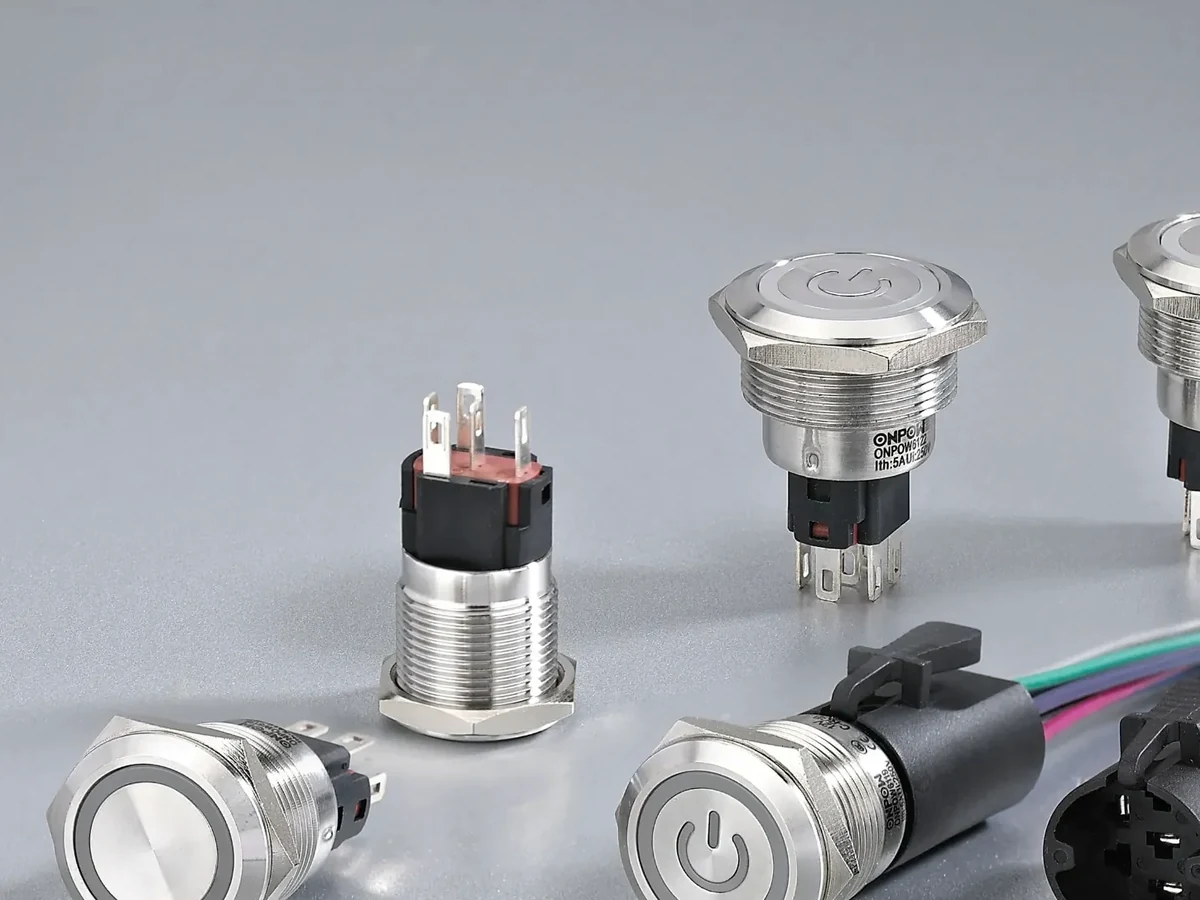
Part 1. Treat 30 A as a configuration question
Search results for “30amp push button switch” combine vehicle accessories, marine products, industrial panel operators, illuminated switches, 30 mm mounting products, and contactor questions. These are not automatically interchangeable. A current label may be tied to a particular circuit type, duty, voltage, terminal arrangement, or test condition that is not visible in a short product title.
Start by identifying what the number is expected to describe. Is it a requirement from an existing bill of materials, a load-path design value, an operator family, or a purchase description copied from a listing? Then identify whether the push button is intended to send a command, hold an operating state, or carry current in a specific path. The answer changes the documents that must be reviewed.
| Requirement question | Record to check | Почему это важно |
|---|---|---|
| What does 30 A refer to? | Selected product data and drawing | Prevents a title from becoming a design conclusion |
| Which circuit is involved? | Control and power drawings | Distinguishes command from load path |
| What does the operator do? | Action and contact definition | Keeps function separate from a current number |
| Where is it mounted? | Panel cutout and rear section | Ensures the selected form can be installed |
Земля 30 mm push-button guide is a useful reminder that cutout size and current rating are separate attributes. A 30 mm operator is not a 30 A statement, and a 30 A phrase does not define a mounting diameter.
Part 2. Separate a command path from a power path
Many panel designs use a push button to request an action through a control circuit, while another component performs switching in the power path. That architecture question cannot be answered from a keyword or a button colour. It depends on the selected equipment, control logic, load, protection, project requirements, and qualified engineering review.
IEC 60947-5-1 provides general context for control-circuit devices and switching elements. IEC 60947-4-1 provides general context for contactors and motor-starters. These sources are not wiring instructions and do not select a device for a particular system.
Важно: Do not infer that an operator can directly switch a particular 30 A load merely because a product title contains “30 A.” Confirm the selected device’s stated rating conditions and have the complete circuit and protection design reviewed by qualified engineering personnel. Source context: IEC 60947-5-1 и IEC 60947-4-1.
| Architecture question | What to document | Boundary protected |
|---|---|---|
| Is the button a command input? | Control function and contact need | Avoids treating a command as the load path |
| Is another device in the switching path? | System drawing and selected equipment | Avoids an unsupported contactor conclusion |
| What load is involved? | Application, voltage, current, duty, and protection records | Avoids a universal rating claim |
| What confirms operation? | Approved state feedback logic | Separates a request from actual operation |
For a related, lower-current boundary discussion, see the 20 A direct-load/contactor guide. It is a separate topic and not evidence that a 30 A requirement has been satisfied.
Part 3. Read rating conditions before comparing products
Current is only one field in a product comparison. The selected device documentation may set conditions involving voltage, circuit type, operating action, utilization category, terminals, temperature, enclosure, and other factors. Procurement should collect the exact fields required by the released design rather than comparing only the largest number in a listing.
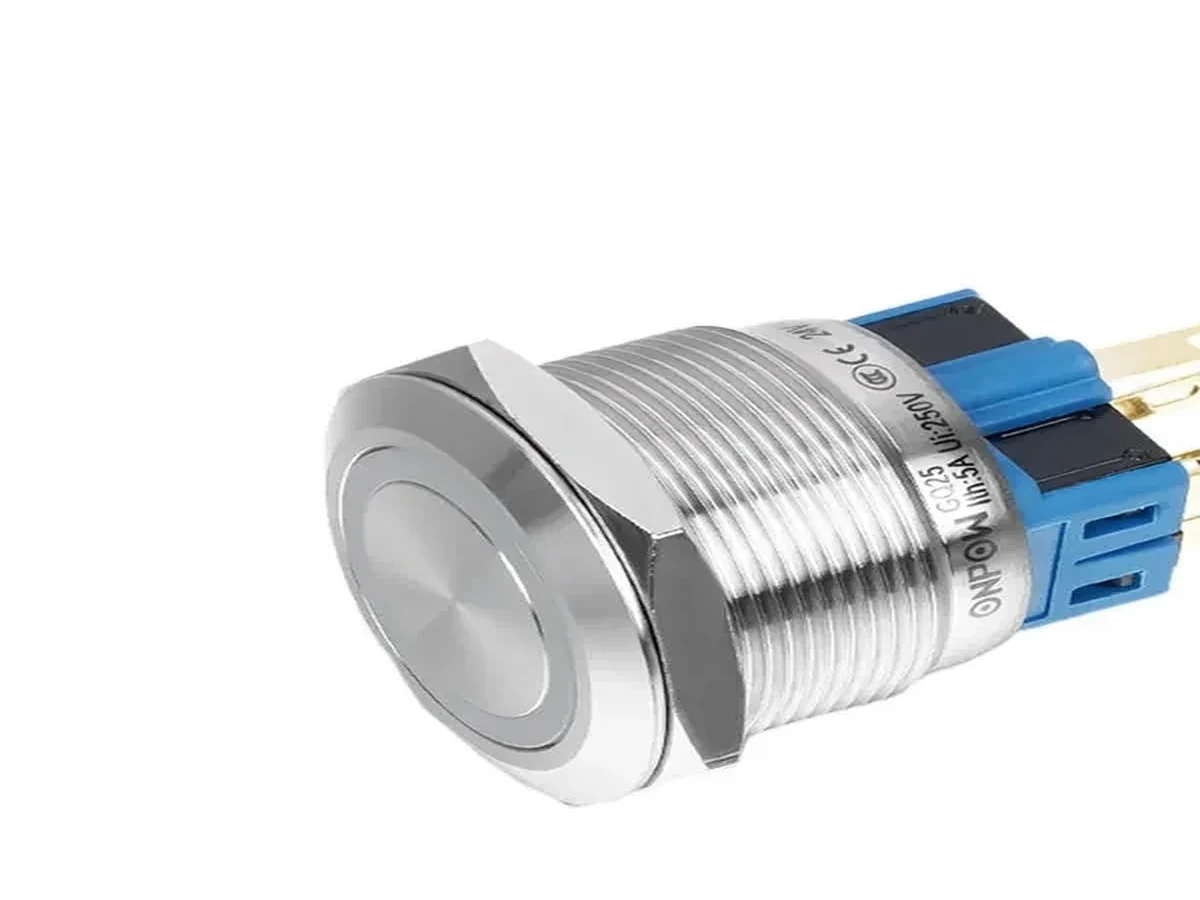
An illuminated head, a particular cap colour, a 30 mm bezel, or a robust-looking metal body does not establish a rating condition. Keep every claim tied to the selected SKU and its documentation. That makes it possible to distinguish a valid component review from a broad marketing comparison.
| Product field | Why it needs a source | Common false shortcut |
|---|---|---|
| Rated conditions | Defines the limits actually stated for the item | Reading “30 A” as all-purpose capability |
| Action and contacts | Defines how the operator behaves | Assuming a cap style defines contact logic |
| Терминалы | Defines connection and assembly interface | Ignoring conductor and access space |
| Mounting dimensions | Defines panel fit | Confusing current rating with cutout size |
| Documentation status | Provides a traceable review basis | Relying on a marketplace title |
IEC 60204-1 is broader machinery electrical-equipment context. It does not replace the selected product data, local requirements, or project engineering review.
Part 4. Review terminals, mounting, and service envelope
Electrical and mechanical checks need to meet at the panel. A selected operator must fit the cutout, panel thickness, front layout, rear terminals, connector or wiring path, strain relief, and enclosure closure. If the assembly can be wired only before nearby hardware is fitted, that service sequence must be documented rather than discovered during production.
Земля double-pole control-circuit guide shows why contact and circuit documentation deserve their own review. The руководство по компоновке панелей addresses the front/rear space relationship. Neither should be used as a substitute for a selected 30 A device data set.
| Interface item | Вопрос для обзора | Result of skipping it |
|---|---|---|
| Cutout and panel thickness | Does the operator mounting stack fit? | A candidate that cannot be installed |
| Terminal form | Can the required conductors be connected? | Late wiring or access conflict |
| Задний дорожный просвет | Do wires, connectors, and brackets have space? | Door-close or service interference |
| Front layout | Are labels and adjacent controls clear? | Ambiguous operator access |
| Documentation revision | Does purchasing use the released data? | Configuration drift |
Part 5. Put the right fields into an RFQ
A request for “a 30 amp button” is incomplete without circuit and interface context. Supply the information set below so the supplier can determine whether an exact configuration should enter the review. It is better to record unanswered fields than to assume them.
Ввод запроса предложений
| Ввод запроса предложений | Почему это важно | Распространенная ошибка предотвращена |
|---|---|---|
| Required function and circuit role | Separates command input from any power-path requirement | Buying from the current number alone |
| Selected rating conditions and data request | Makes the required evidence explicit | Copying a mixed-market listing |
| Action, contact, and terminal requirement | Defines the operating interface | Selecting by appearance or cap colour |
| Panel cutout, thickness, and layout | Tests mechanical installation | Confusing 30 mm and 30 A |
| Rear section and wiring envelope | Tests connection and service access | Discovering a clash after build |
| Quantity, destination, and document request | Frames a controlled quotation | Leaving commercial and traceability inputs open |
Attach the released drawings and state any conditions that remain to be confirmed. That provides a controlled basis for an enquiry without turning a general article into a circuit design approval.
Part 6. Start an ONPOW enquiry after the boundary is defined
Once the function, selected rating conditions, panel interface, and documentation needs are known, the ONPOW metal push button category can start a drawing-based enquiry. The GQ-L family route is another product-family reference. Neither page is evidence of an exact 30 A configuration or direct-load suitability.
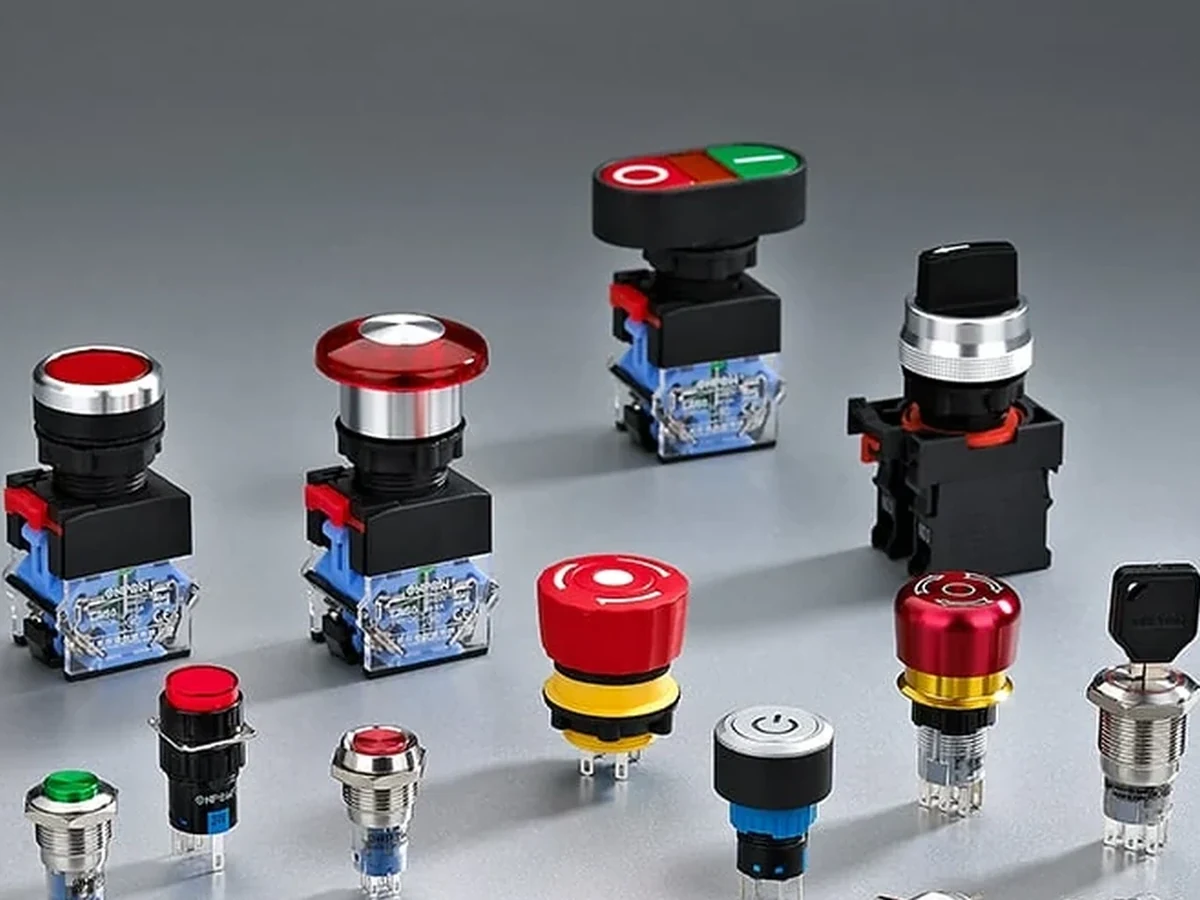
Send the released panel drawing, circuit role, target operating action, contact and terminal need, required documentation, environment, quantity, and destination to the ONPOW sales team. Ask for the selected SKU’s drawing and data before release. For further selection articles, visit the ONPOW Blog.
Часто задаваемые вопросы
Does 30 amp mean a push button can switch any 30 A load?
No. The selected device data and the complete circuit architecture must define what is permitted. A product title alone is not a direct-load approval.
Is a 30 A rating the same as a 30 mm cutout?
No. Current rating and mounting diameter are separate product attributes. Verify each one from the selected documentation.
When should a contactor be reviewed?
Review the system architecture whenever the design requires it. The decision depends on the selected equipment, circuit purpose, load, protection, and qualified engineering review, not the keyword alone.
Which rating conditions should be checked?
Check the exact conditions stated by the selected manufacturer, together with the circuit role, voltage, action, contacts, terminals, environment, and applicable project requirements.
Why do terminals and wiring still matter?
The correct product must still fit the rear envelope and allow the intended conductors, connectors, strain relief, and service access to be handled safely and practically.
Can ONPOW provide a 30 amp push button switch?
Use the ONPOW metal category to begin a requirement-based enquiry. ONPOW should confirm the selected SKU’s available configuration and documentation; this article does not claim an exact 30 A model.



