

Un interruptor de botón protegido utiliza un anillo elevado, una cubierta protectora, una tapa, un hueco u otro elemento físico para reducir el accionamiento involuntario. La protección debe abordar un escenario documentado de peligro o molestia sin hacer que la orden prevista sea difícil, invisible, difícil de limpiar o lenta de alcanzar. La protección es especialmente delicada en torno a las funciones de emergencia: no se debe replicar una protección de control normal en un control de parada de emergencia a menos que los requisitos aplicables y la evaluación de riesgos respalden el diseño exacto. Evalúe al operario, la protección, el panel, al usuario, los guantes, la dirección de aproximación y el entorno como una sola interfaz.
Regla de selección: trate el dispositivo, el actuador, los contactos, la carcasa, el cableado, la lógica de control, el usuario y el movimiento de la máquina como un solo sistema. Los ejemplos de productos ilustran únicamente la forma; la idoneidad final debe provenir de la documentación actual para el código de pedido exacto y de la validación en el equipo terminado.
Cómo funciona el mecanismo
El protector modifica la ruta de acceso físico al operador. Puede bloquear el contacto amplio de herramientas, ropa, material en movimiento o una persona apoyándose en el panel, al tiempo que permite una acción deliberada con los dedos. Una cubierta con bisagras añade otra acción y puede acumular contaminación. Una cubierta fija puede reducir el acceso lateral. Un montaje empotrado modifica el alcance. Estas diferencias deben probarse con usuarios reales y contactos accidentales previsibles.
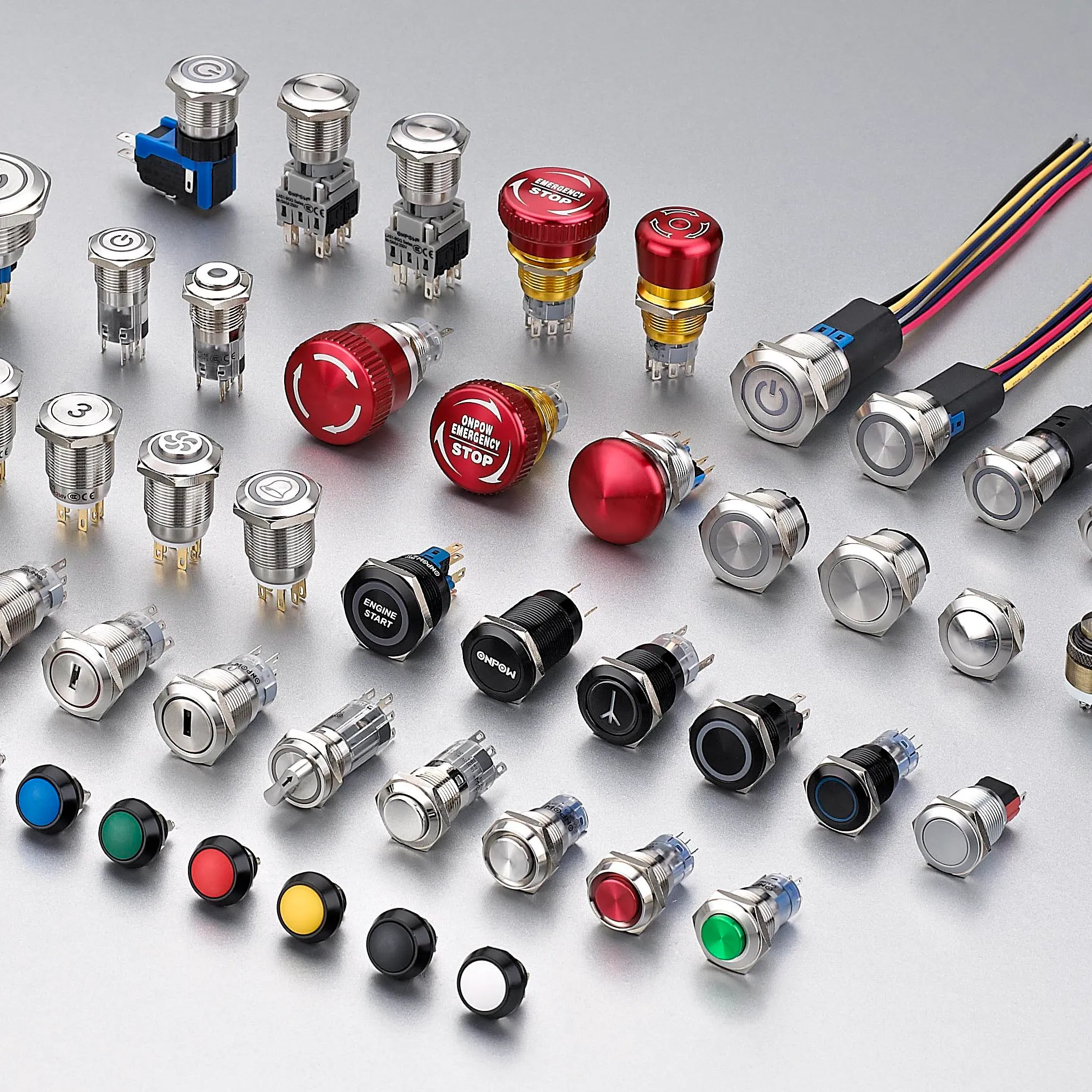
Criterios de selección de un vistazo
| Área de decisión | Qué verificar | Razón de ingeniería |
|---|---|---|
| Contacto no intencional | Identifica el objeto real, la dirección, la fuerza y la frecuencia | La geometría de la protección debe abordar un escenario real. |
| Acceso intencional | Probar el tamaño de los dedos, los guantes, el alcance, la postura y la velocidad requerida | La protección que impide el uso adecuado crea un nuevo problema. |
| Visibilidad | Mantén legibles el estado del operador y la leyenda | Los usuarios deben identificar el comando antes de actuar. |
| Formulario de guardia | Comparar cubierta fija, anillo realzado, tapa con bisagras o hueco | Cada uno cambia el acceso y la limpieza de forma diferente. |
| Límite de emergencia | Separe la protección de comandos ordinarios de los requisitos de parada de emergencia | El acceso y la función de emergencia necesitan una validación dedicada. |
| Medio ambiente | Revisar trampas de escombros, lavado, corrosión e impacto | Un protector puede acumular contaminación alrededor del operador. |
| Montaje | Verifique el recorte, la retención del protector, el grosor del panel y la holgura trasera | Los accesorios sueltos o giratorios anulan el diseño. |
| Validación humana | Usuarios previstos y uso indebido previsible | Un dibujo no puede probar la usabilidad por sí mismo. |
Esta tabla es intencionalmente cualitativa. Los límites numéricos, clasificaciones, par, fuerza, recorrido, declaraciones ambientales y valores de resistencia deben tomarse de la hoja de datos actual y evaluarse bajo las condiciones de la aplicación.
Proceso de selección detallado
Contacto no intencional
Qué verificar: Identifique el objeto real, la dirección, la fuerza y la frecuencia. La geometría del protector debe abordar un escenario real. El requisito debe estar escrito en la especificación del proyecto y rastreado hasta el dibujo del modelo o la hoja de datos exacta. Revise la tolerancia en el peor de los casos, el desgaste, la contaminación, el acceso para mantenimiento y el uso indebido previsible. Si la documentación disponible no define el límite, mantenga el punto abierto para la confirmación del proveedor y las pruebas de muestra en lugar de sustituirlo por una suposición.
Acceso intencional
Qué verificar: Pruebe el tamaño de los dedos, los guantes, el alcance, la postura y la velocidad requerida. La protección que impide el uso adecuado crea un nuevo problema. El requisito debe constar en la especificación del proyecto y rastrearse hasta el dibujo del modelo exacto o la ficha técnica. Revise la tolerancia en el peor de los casos, el desgaste, la contaminación, el acceso para el mantenimiento y el uso indebido previsible. Si la documentación disponible no define el límite, mantenga el punto abierto para la confirmación del proveedor y la prueba de muestras en lugar de sustituirlo por una suposición.
Visibilidad
Qué verificar: Mantenga legible el estado del operador y la leyenda. Los usuarios deben identificar el comando antes de actuar. El requisito debe escribirse en la especificación del proyecto y rastrearse hasta el dibujo del modelo exacto o la hoja de datos. Revise la tolerancia en el peor de los casos, el desgaste, la contaminación, el acceso para mantenimiento y el uso indebido previsible. Si la documentación disponible no define el límite, mantenga el punto abierto para la confirmación del proveedor y la prueba de muestras en lugar de sustituirlo por una suposición.
Formulario de guardia
Qué verificar: Compare cubierta fija, anillo elevado, tapa con bisagra o hueco. Cada uno cambia el acceso y la limpieza de forma diferente. El requisito debe escribirse en la especificación del proyecto y rastrearse hasta el dibujo del modelo exacto o la ficha técnica. Revise la tolerancia en el peor de los casos, el desgaste, la contaminación, el acceso de mantenimiento y el uso indebido previsible. Si la documentación disponible no define el límite, mantenga el punto abierto para la confirmación del proveedor y la prueba de muestras en lugar de sustituirlo por una suposición.
Límite de emergencia
Qué verificar: Separe la protección de comandos ordinarios de los requisitos de parada de emergencia. El acceso y la función de emergencia requieren una validación dedicada. El requisito debe redactarse en la especificación del proyecto y rastrearse hasta el dibujo del modelo o la hoja de datos exacta. Revise la tolerancia en el peor de los casos, el desgaste, la contaminación, el acceso para mantenimiento y el uso indebido previsible. Si la documentación disponible no define el límite, mantenga el punto abierto para la confirmación del proveedor y las pruebas de muestras en lugar de sustituirlo por una suposición.
Medio ambiente
Qué verificar: Compruebe los colectores de residuos, el sistema de lavado, la corrosión y los impactos. Un protector puede acumular contaminación alrededor del operador. El requisito debe redactarse en las especificaciones del proyecto y rastrearse hasta el dibujo del modelo exacto o la hoja de datos. Revise la tolerancia en el peor de los casos, el desgaste, la contaminación, el acceso para mantenimiento y el uso indebido previsible. Si la documentación disponible no define el límite, mantenga el punto abierto para la confirmación del proveedor y las pruebas de muestras en lugar de sustituirlo por una suposición.
Montaje
Qué verificar: Verifique el recorte, la retención del protector, el espesor del panel y el espacio libre trasero. Los accesorios sueltos o giratorios invalidan el diseño. El requisito debe redactarse en la especificación del proyecto y rastrearse hasta el dibujo del modelo exacto o la hoja de datos. Revise la tolerancia en el peor de los casos, el desgaste, la contaminación, el acceso para mantenimiento y el uso indebido previsible. Si la documentación disponible no define el límite, mantenga el punto abierto para la confirmación del proveedor y la prueba de muestras en lugar de sustituirlo por una suposición.
Validación humana
Qué verificar: Pruebe los usuarios previstos y el uso indebido previsible. Un dibujo no puede demostrar por sí solo la usabilidad. El requisito debe redactarse en la especificación del proyecto y rastrearse hasta el dibujo del modelo exacto o la ficha técnica. Revise la tolerancia en el peor de los casos, el desgaste, la contaminación, el acceso para mantenimiento y el uso indebido previsible. Si la documentación disponible no define el límite, mantenga el punto abierto para la confirmación del proveedor y la prueba de muestras en lugar de sustituirlo por una suposición.

Revisión de la solicitud
- Evitar el contacto de la cadera o el hombro en paneles abarrotados. Registre el comando esperado, la respuesta, el comportamiento de liberación, la condición anormal y la evidencia de aceptación para la máquina ensamblada.
- Proteger un botón de reinicio cerca del flujo de material. Registrar el comando esperado, la respuesta, el comportamiento de liberación, la condición anormal y la evidencia de aceptación para la máquina ensamblada.
- Reducción del contacto de herramientas durante el mantenimiento. Registre el comando esperado, la respuesta, el comportamiento de liberación, la condición anormal y la evidencia de aceptación para la máquina ensamblada.
- Blindaje de un comando expuesto en equipos móviles. Registre el comando esperado, la respuesta, el comportamiento de liberación, la condición anormal y la evidencia de aceptación para la máquina ensamblada.
- Empotrar un control que no sea de emergencia en una interfaz pública. Registrar el comando esperado, la respuesta, el comportamiento de liberación, la condición anormal y la evidencia de aceptación para la máquina ensamblada.
Para cada aplicación, incluya el inicio, la operación normal, el apagado, la pérdida de energía, la restauración de energía, el modo de mantenimiento, el reemplazo de componentes y las fallas identificadas por la evaluación de riesgos. Un interruptor de control general no debe tratarse como una función de seguridad completa.
Lista de verificación de puesta en marcha
- Congelar el requisito. Indique la acción prevista, condición normal, alimentación, carga, movimiento, entorno y usuario.
- Coincidir con el código de pedido. Compare la pieza entregada con el dibujo aprobado, el esquema de contactos, el actuador, el tipo de terminal y los accesorios.
- Inspeccionar la instalación. Verificar alineación, elementos de sujeción, holgura trasera, recorrido de cables, alivio de tensión, protección de partes activas y acceso para mantenimiento.
- Prueba cada estado. Verificar el funcionamiento y la liberación en los extremos de tolerancia, velocidades previstas, cargas, guantes, contaminación y condiciones ambientales.
- Probar condiciones anormales. Incluya conductores desconectados, mecanismos bloqueados o dañados, pérdida de energía, contaminación y otras fallas creíbles.
- Registrar el resultado. Guardar modelo, revisión, método de prueba, observaciones, criterios de aceptación, fecha y aprobador.
Errores comunes
- Agregar una cubierta sin probar el acceso con guantes. Evite esto asignando la comprobación a un plano, hoja de datos, registro de cableado o prueba de puesta en marcha con un criterio de aceptación nombrado.
- Oscureciendo la leyenda o la iluminación. Evite esto asignando la comprobación a un plano, hoja de datos, registro de cableado o prueba de puesta en marcha con un criterio de aceptación nombrado.
- Creación de un bolsillo que atrapa líquido o residuos. Evite esto asignando la comprobación a un plano, hoja de datos, registro de cableado o prueba de puesta en marcha con un criterio de aceptación nombrado.
- Usar una protección normal en una parada de emergencia por analogía. Evite esto asignando la comprobación a un plano, hoja de datos, registro de cableado o prueba de puesta en marcha con un criterio de aceptación nombrado.
- No identificar la dirección del contacto accidental. Evite esto asignando la comprobación a un plano, hoja de datos, registro de cableado o prueba de puesta en marcha con un criterio de aceptación nombrado.
Qué incluir en una solicitud de cotización (RFQ)
Proporcione la aplicación, el mercado objetivo, las normas aplicables, la función de la máquina, la alimentación y la carga, la interfaz de control, la lógica de contactos, el dibujo mecánico, la trayectoria de movimiento, las dimensiones del panel, el método de cableado, el entorno, la frecuencia de operación, la cantidad, las necesidades de documentación y el plan de validación de muestras. Pida al proveedor que identifique las suposiciones y excepciones. ONPOW ofrece productos relevantes en su familia de productos específica de la aplicación y lo más amplio gama de productos de control industrial.
Guías relacionadas de ONPOW
- Cómo funciona un microinterruptor
- Microinterruptor vs interruptor de límite
- Vida mecánica vs. vida eléctrica
Referencias autorizadas
- aparatos para circuitos de control IEC 60947-5-1
- IEC 60529 grados de protección proporcionados por las envolventes
- Requisitos de protección de maquinaria de OSHA
- Requisitos de seguridad eléctrica de OSHA
Video educativo

El video de seguridad sobre protección de maquinaria de Weeklysafety proporciona antecedentes generales. Las decisiones del proyecto aún requieren las normas aplicables y la documentación del producto.
Preguntas frecuentes
¿Qué hace un protector de botón pulsador?
Cambia la ruta de acceso para que sea menos probable que un contacto amplio o no intencionado accione el botón.
¿Es siempre más segura una cubierta con bisagras?
No. Añade una acción y puede retrasar el uso, atrapar residuos o permanecer abierto; pruebe el riesgo real y el flujo de trabajo.
¿Puede un paro de emergencia estar protegido?
Solo cuando la disposición exacta cumpla con los requisitos aplicables y la evaluación de riesgos; no asuma que una cubierta ordinaria es aceptable.
¿Cómo se debe probar un guardia?
Utilice usuarios reales, guantes, iluminación, condiciones de limpieza, acciones previstas y escenarios creíbles de contacto accidental.
Decisión final
Apruebe el componente únicamente cuando los límites documentados de mecánica, electricidad, medio ambiente, usabilidad, instalación y mantenimiento se ajusten al sistema ensamblado. Resuelva las incógnitas mediante información actual del fabricante y pruebas antes de la liberación para producción.



