

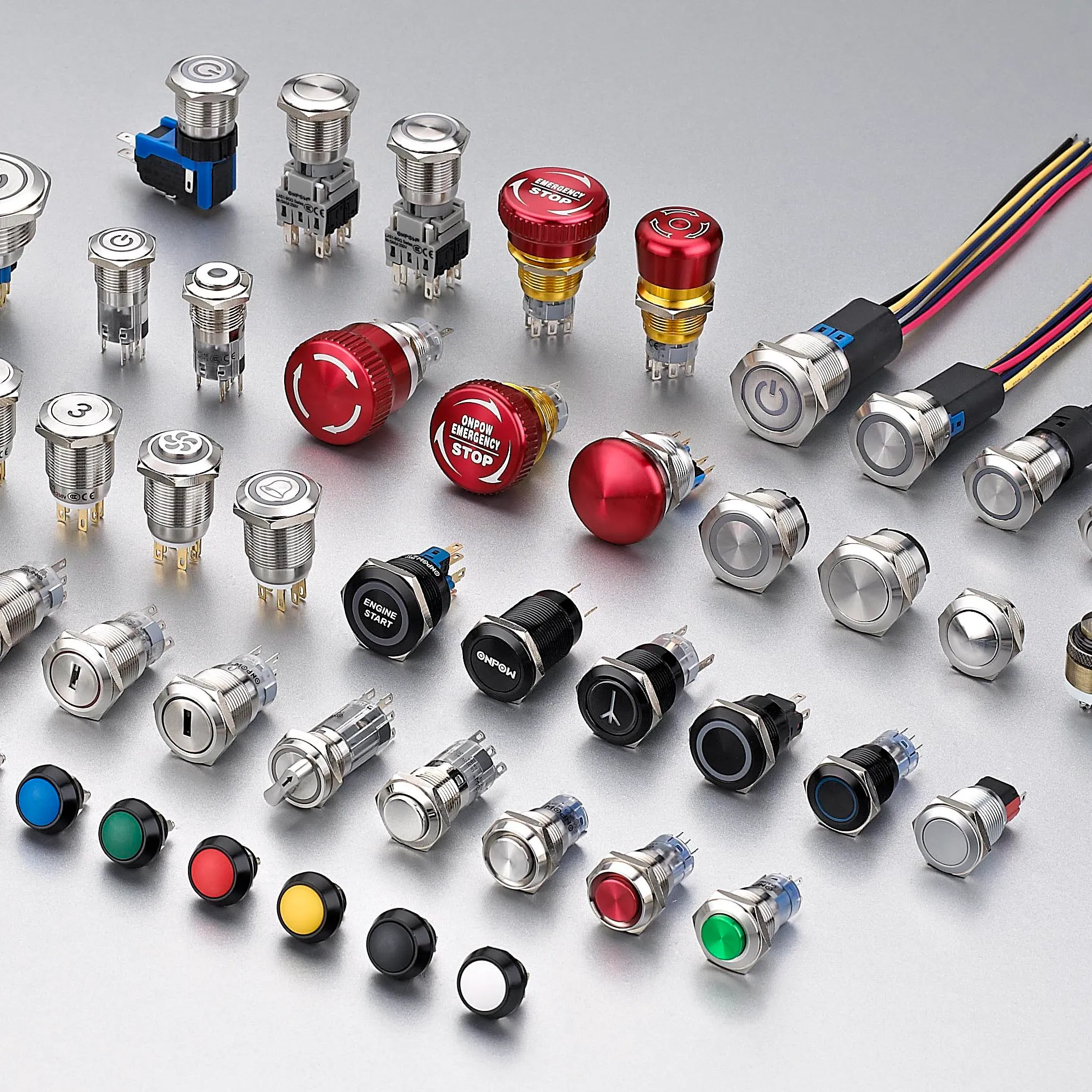
Przycisk z osłoną wykorzystuje podniesiony pierścień, osłonę tunelową, pokrywę, wgłębienie lub inną cechę fizyczną, aby ograniczyć niezamierzone uruchomienie. Osłona musi przeciwdziałać udokumentowanemu zagrożeniu lub uciążliwemu scenariuszowi, nie czyniąc zamierzonego polecenia trudnym, niewidocznym, trudnym do czyszczenia ani wolnym w osiągnięciu. Stosowanie osłon jest szczególnie ważne w przypadku funkcji awaryjnych: zwykła osłona elementu sterującego nie może być kopiowana na sterownik zatrzymania awaryjnego, chyba że obowiązujące wymagania i ocena ryzyka uzasadniają konkretny projekt. Operatora, osłonę, panel, użytkownika, rękawice, kierunek podejścia i środowisko należy oceniać jako jeden interfejs.
Zasada wyboru: Traktuj urządzenie, siłownik, styki, obudowę, okablowanie, logikę sterowania, użytkownika oraz ruch maszyny jako jeden system. Przykłady produktów ilustrują jedynie formę; ostateczna przydatność musi wynikać z aktualnej dokumentacji dla konkretnego kodu zamówienia oraz z walidacji w gotowym urządzeniu.
Jak działa ten mechanizm
Osłona zmienia fizyczną drogę dostępu do operatora. Może blokować szeroki kontakt z narzędziami, odzieżą, poruszającym się materiałem lub osobą opierającą się o panel, jednocześnie umożliwiając celowe działanie palcem. Pokrywa na zawiasach dodaje kolejną czynność i może gromadzić zanieczyszczenia. Stała osłona może ograniczyć dostęp boczny. Wpuszczany montaż zmienia zasięg. Różnice te należy przetestować z udziałem rzeczywistych użytkowników oraz w warunkach przewidywalnego kontaktu przypadkowego.
Kryteria wyboru w skrócie
| Obszar decyzyjny | Co zweryfikować | Powód inżynieryjny |
|---|---|---|
| Niezamierzony kontakt | Zidentyfikuj rzeczywisty obiekt, kierunek, siłę i częstotliwość | Geometria osłony musi odnosić się do rzeczywistego scenariusza. |
| Celowy dostęp | Przetestuj rozmiar palca, rękawice, zasięg, postawę oraz wymaganą prędkość | Zabezpieczenie, które uniemożliwia prawidłowe użytkowanie, tworzy nowy problem. |
| Widoczność | Zapewnij czytelność stanu operatora i legendy | Użytkownicy muszą zidentyfikować polecenie przed przystąpieniem do działania. |
| Formularz ochrony | Porównaj stałą osłonę, podniesiony pierścień, uchylną pokrywę lub wgłębienie | Każda zmiana wpływa na dostęp i sprzątanie w inny sposób. |
| Granica awaryjna | Oddzielić zwykłą ochronę sterowania od wymagań zatrzymania awaryjnego | Dostęp awaryjny i funkcja wymagają dedykowanej walidacji. |
| Środowisko | Sprawdź pułapki na zanieczyszczenia, spłukiwanie, korozję i uderzenia | Strażnik może gromadzić zanieczyszczenia wokół operatora. |
| Montaż | Zweryfikuj wycięcie, utrzymanie osłony, grubość panelu oraz prześwit z tyłu | Luźne lub obracające się akcesoria niweczą cel projektu. |
| Weryfikacja przez człowieka | Przewidywani użytkownicy i przewidywane niewłaściwe użycie | Rysunek sam w sobie nie może udowodnić użyteczności. |
Ta tabela ma charakter celowo jakościowy. Limity numeryczne, parametry znamionowe, moment obrotowy, siła, przemieszczenie, deklaracje środowiskowe i wartości wytrzymałościowe należy pobrać z aktualnego arkusza danych i ocenić w warunkach aplikacji.
Szczegółowy proces selekcji
Niezamierzony kontakt
Co zweryfikować: Zidentyfikuj rzeczywisty obiekt, kierunek, siłę i częstotliwość. Geometria osłony musi odnosić się do realnego scenariusza. Wymaganie należy zapisać w specyfikacji projektu i powiązać z dokładnym rysunkiem modelu lub arkuszem danych. Przeanalizuj najgorszy przypadek tolerancji, zużycia, zanieczyszczenia, dostępu konserwacyjnego oraz przewidywalnego niewłaściwego użycia. Jeśli dostępna dokumentacja nie definiuje granicy, pozostaw tę kwestię otwartą do potwierdzenia przez dostawcę i przetestowania próbek zamiast zastępowania jej założeniem.
Celowy dostęp
Co zweryfikować: Przetestuj rozmiar palców, rękawice, zasięg, postawę i wymaganą prędkość. Ochrona uniemożliwiająca prawidłowe użytkowanie tworzy nowy problem. Wymaganie powinno być zapisane w specyfikacji projektu i powiązane z dokładnym rysunkiem modelu lub kartą katalogową. Przeanalizuj tolerancję w najgorszym przypadku, zużycie, zanieczyszczenie, dostęp do konserwacji oraz przewidywalne niewłaściwe użytkowanie. Jeśli dostępna dokumentacja nie definiuje granicy, pozostaw tę kwestię otwartą do potwierdzenia przez dostawcę i przetestowania próbek zamiast przyjmować założenia.
Widoczność
Co zweryfikować: Stan operatora i legenda muszą być czytelne. Użytkownicy muszą zidentyfikować polecenie przed podjęciem działania. Wymóg ten należy opisać w specyfikacji projektu i powiązać z konkretnym rysunkiem modelu lub kartą katalogową. Należy przeanalizować tolerancję w najgorszym przypadku (worst-case), zużycie, zanieczyszczenie, dostęp konserwacyjny oraz przewidywalne niewłaściwe użytkowanie. Jeśli dostępna dokumentacja nie definiuje granicy, należy pozostawić tę kwestię otwartą do potwierdzenia przez dostawcę i testów próbek, zamiast zastępować ją domysłem.
Formularz ochrony
Co zweryfikować: Porównaj stałą osłonę, podniesiony pierścień, uchylną pokrywę lub wgłębienie. Każde z nich w inny sposób wpływa na dostęp i czyszczenie. Wymaganie to powinno zostać zapisane w specyfikacji projektu i powiązane z dokładnie określoną rysunkiem modelu lub arkuszem danych. Przeanalizuj najgorszy przypadek tolerancji, zużycia, zanieczyszczenia, dostępu konserwacyjnego oraz przewidywalnego niewłaściwego użycia. Jeśli dostępna dokumentacja nie definiuje granicy, pozostaw tę kwestię otwartą do potwierdzenia przez dostawcę i testów próbek, zamiast zastępować ją założeniem.
Granica awaryjna
Co zweryfikować: Oddziel ochronę zwykłych poleceń od wymagań zatrzymania awaryjnego. Dostęp awaryjny i funkcja zatrzymania awaryjnego wymagają dedykowanej walidacji. Wymóg ten należy opisać w specyfikacji projektu i powiązać z dokładnym rysunkiem modelu lub kartą katalogową. Należy przeanalizować tolerancję w najgorszym przypadku, zużycie, zanieczyszczenie, dostęp konserwacyjny oraz przewidywalne niewłaściwe użycie. Jeśli dostępna dokumentacja nie definiuje granicy, należy pozostawić tę kwestię otwartą do potwierdzenia przez dostawcę i przetestowania próbek, zamiast przyjmować założenia.
Środowisko
Co zweryfikować: Sprawdź pułapki na zanieczyszczenia, spłukiwanie, korozję i uderzenia. Osłona może gromadzić zanieczyszczenia wokół operatora. Wymóg należy opisać w specyfikacji projektu i powiązać z dokładnym rysunkiem modelu lub kartą katalogową. Przeanalizuj najbardziej niekorzystne tolerancje, zużycie, zanieczyszczenia, dostęp konserwacyjny oraz przewidywalne niewłaściwe użycie. Jeśli dostępna dokumentacja nie definiuje granicy, pozostaw tę kwestię otwartą do potwierdzenia przez dostawcę i przetestowania próbek, zamiast opierać się na domysłach.
Montaż
Co zweryfikować: Zweryfikuj wycięcie, utrzymanie osłony, grubość panelu oraz prześwit z tyłu. Luźne lub obracające się akcesoria niweczą projekt. Wymóg należy zapisać w specyfikacji projektu i powiązać z dokładnym rysunkiem modelu lub kartą katalogową. Przeanalizuj najgorszy przypadek tolerancji, zużycia, zanieczyszczenia, dostępu konserwacyjnego oraz przewidywalnego niewłaściwego użytkowania. Jeśli dostępna dokumentacja nie definiuje granicy, pozostaw tę kwestię otwartą do potwierdzenia przez dostawcę i testów próbek, zamiast zastępować ją założeniem.
Weryfikacja przez człowieka
Co zweryfikować: Przetestuj przewidywanych użytkowników i przewidywane niewłaściwe użycie. Rysunek sam w sobie nie może udowodnić użyteczności. Wymaganie powinno być zapisane w specyfikacji projektu i powiązane z dokładnym rysunkiem modelu lub arkuszem danych. Przeanalizuj tolerancję w najgorszym przypadku, zużycie, zanieczyszczenie, dostęp do konserwacji oraz przewidywane niewłaściwe użycie. Jeśli dostępna dokumentacja nie definiuje granicy, pozostaw tę kwestię otwartą do potwierdzenia przez dostawcę i testowania próbek, zamiast zastępować ją założeniem.

Przegląd aplikacji
- Zapobieganie kontaktowi bioder lub ramion na zatłoczonych panelach. Zarejestruj oczekiwane polecenie, odpowiedź, zachowanie przy zwolnieniu, stan nieprawidłowy oraz dowód akceptacji dla zmontowanej maszyny.
- Zabezpieczenie przycisku resetu w pobliżu przepływu materiału. Zarejestruj oczekiwaną komendę, odpowiedź, zachowanie przy zwolnieniu, stan nieprawidłowy oraz dowód akceptacji dla zmontowanej maszyny.
- Zmniejszenie kontaktu z narzędziem podczas konserwacji. Zarejestruj oczekiwaną komendę, odpowiedź, zachowanie przy zwolnieniu, stan nieprawidłowy oraz dowód akceptacji dla zmontowanej maszyny.
- Osłanianie odsłoniętego elementu sterującego na urządzeniu mobilnym. Należy zarejestrować oczekiwaną komendę, odpowiedź, zachowanie po zwolnieniu, stan awaryjny oraz dowód akceptacji dla zmontowanej maszyny.
- Wpuszczenie w głąb elementu sterującego niebędącego elementem awaryjnym w interfejsie publicznym. Zarejestruj oczekiwaną komendę, odpowiedź, zachowanie po zwolnieniu, stan nieprawidłowy oraz dowód akceptacji dla zmontowanej maszyny.
Dla każdego zastosowania należy uwzględnić rozruch, normalną pracę, wyłączenie, zanik zasilania, przywrócenie zasilania, tryb konserwacji, wymianę komponentów oraz uszkodzenia zidentyfikowane w ocenie ryzyka. Ogólny wyłącznik sterujący nie powinien być traktowany jako kompletna funkcja bezpieczeństwa.
Lista kontrolna odbioru technicznego
- Zablokuj wymaganie. Określ zamierzoną czynność, warunek normalny, zasilanie, obciążenie, ruch, środowisko oraz użytkownika.
- Dopasuj kod zamówienia. Porównaj dostarczoną część z zatwierdzonym rysunkiem, schematem styków, siłownikiem, stylem zacisków i akcesoriami.
- Sprawdź instalację. Sprawdź osiowanie, elementy złączne, luz z tyłu, prowadzenie kabli, odciążenie naciągu, ochronę części pod napięciem oraz dostęp serwisowy.
- Przetestuj każdy stan. Sprawdzić działanie i zwolnienie przy skrajnych tolerancjach, oczekiwanych prędkościach, obciążeniach, w rękawicach, przy obecności zanieczyszczeń oraz w warunkach środowiskowych.
- Przetestuj nienormalne warunki. Uwzględnij odłączone przewody, zablokowane lub uszkodzone mechanizmy, utratę zasilania, zanieczyszczenia oraz inne wiarygodne uszkodzenia.
- Zarejestruj wynik. Zapisz model, wersję, metodę testową, obserwacje, kryteria akceptacji, datę i osobę zatwierdzającą.
Częste błędy
- Dodanie osłony bez przetestowania dostępu w rękawicach. Zapobiegnij temu, przypisując sprawdzenie do rysunku, arkusza danych, rejestru okablowania lub testu uruchomieniowego z podanym kryterium akceptacji.
- Zaciemnienie legendy lub iluminacji. Zapobiegnij temu, przypisując sprawdzenie do rysunku, arkusza danych, rejestru okablowania lub testu uruchomieniowego z podanym kryterium akceptacji.
- Tworzenie kieszeni, która zatrzymuje ciecz lub zanieczyszczenia. Zapobiegnij temu, przypisując sprawdzenie do rysunku, arkusza danych, rejestru okablowania lub testu uruchomieniowego z podanym kryterium akceptacji.
- Używając analogicznie zwykłej osłony na wyłączniku awaryjnym. Zapobiegnij temu, przypisując sprawdzenie do rysunku, arkusza danych, rejestru okablowania lub testu uruchomieniowego z podanym kryterium akceptacji.
- Nierozpoznanie kierunku przypadkowego kontaktu. Zapobiegnij temu, przypisując sprawdzenie do rysunku, arkusza danych, rejestru okablowania lub testu uruchomieniowego z podanym kryterium akceptacji.
Co uwzględnić w zapytaniu ofertowym (RFQ)
Podaj zastosowanie, rynek docelowy, obowiązujące normy, funkcję maszyny, zasilanie i obciążenie, interfejs sterowania, logikę styków, rysunek mechaniczny, tor ruchu, wymiary panelu, metodę okablowania, środowisko, częstotliwość pracy, ilość, zapotrzebowanie na dokumentację oraz plan walidacji próbek. Poproś dostawcę o wskazanie założeń i wyłączeń. ONPOW oferuje powiązane produkty w swoim rodzina produktów dedykowana do konkretnych zastosowań i szerszy kontekst asortyment produktów sterowania przemysłowego.
Powiązane poradniki ONPOW
- Jak działa mikroprzełącznik
- Mikrostycznik a wyłącznik krańcowy
- Życie mechaniczne kontra życie elektryczne
Autorytatywne źródła
- urządzenia w obwodach sterowniczych zgodne z normą IEC 60947-5-1
- IEC 60529 Stopnie ochrony zapewniane przez obudowy
- Wymagania OSHA dotyczące osłon maszyn
- Wymagania bezpieczeństwa elektrycznego OSHA
Film edukacyjny

Film ze spotkania dotyczącego bezpieczeństwa osłon maszyn autorstwa Weeklysafety zawiera ogólne informacje. Decyzje projektowe nadal wymagają zastosowania odpowiednich norm i dokumentacji produktu.
Często zadawane pytania
Do czego służy osłona przycisku?
Zmienia to drogę dostępu, tak aby przypadkowy lub niezamierzony kontakt z przyciskiem był mniej prawdopodobny.
Czy osłona na zawiasach jest zawsze bezpieczniejsza?
Nie. Dodaje to działanie i może opóźnić użycie, zatrzymywać zanieczyszczenia lub pozostać otwarte; przetestuj rzeczywiste ryzyko i przebieg pracy.
Czy awaryjny wyłącznik zatrzymujący może być osłonięty?
Tylko wtedy, gdy dokładny układ spełnia obowiązujące wymagania oraz ocenę ryzyka; nie należy zakładać, że zwykła osłona jest dopuszczalna.
Jak należy przetestować strażnika?
Użyj prawdziwych użytkowników, rękawic, oświetlenia, warunków czyszczenia, zamierzonych działań oraz wiarygodnych scenariuszy przypadkowego kontaktu.
Ostateczna decyzja
Zatwierdź komponent tylko wtedy, gdy udokumentowane granice mechaniczne, elektryczne, środowiskowe, użyteczności, instalacji i konserwacji w pełni pasują do zmontowanego systemu. Rozstrzygnij kwestie niewiadome za pomocą aktualnych informacji od producenta i testów przed dopuszczeniem do produkcji.



