A push button IEC 62474 material declaration is useful when its product identity, declaration type, referenced list and data version match the information your equipment project needs. Receiving a file with a familiar standard number is only the beginning of review. The purchasing team must be able to connect the declaration to the ordered switch and pass it downstream without losing its meaning. Start by agreeing the format and edition with the customer. Then confirm coverage, resolve unanswered fields and preserve the supplier’s original response alongside your assessment.
This guide focuses on exchanging usable component information. It does not determine whether a particular ONPOW model satisfies a substance restriction or replace the complete standard and a project-specific compliance assessment.
Agree the declaration edition before requesting a file
The IEC 62474 consolidated publication describes a framework for communicating material information for electrical and electronic products. It distinguishes a response about compliance from a composition declaration. Its public description also identifies the related database and exchange resources. These are useful reference points when a customer still requests an IEC 62474 deliverable.
There is also a newer publication, IEC 82474-1:2025, covering material declaration content, exchange and additional subjects. Its published scope includes process chemical information, whereas the older IEC 62474 scope excludes process chemicals and emissions during use. Do not silently replace one requested deliverable with another or assume their fields are interchangeable. Ask the receiving organization which edition and exchange specification its system accepts.
For a practical purchase request, record the customer requirement exactly, including amendments, template identifier and destination system. If the customer supplies only a spreadsheet headed “material declaration,” ask whether it is a contractual questionnaire or an actual standard-format submission. This distinction prevents a well-prepared answer from being rejected because the receiving portal expects something different.
Identify the switch configuration represented by the response
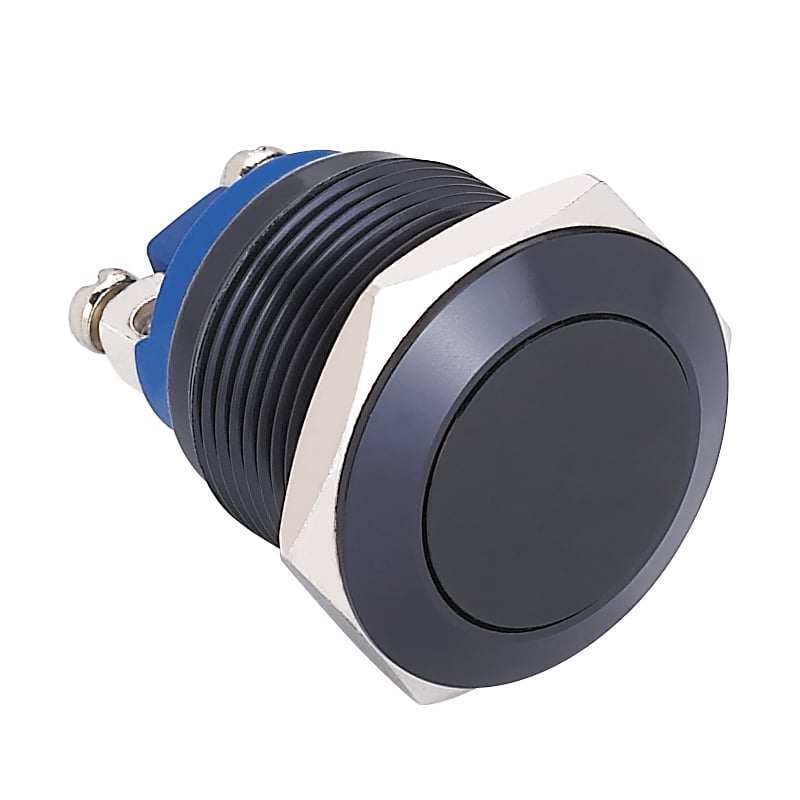
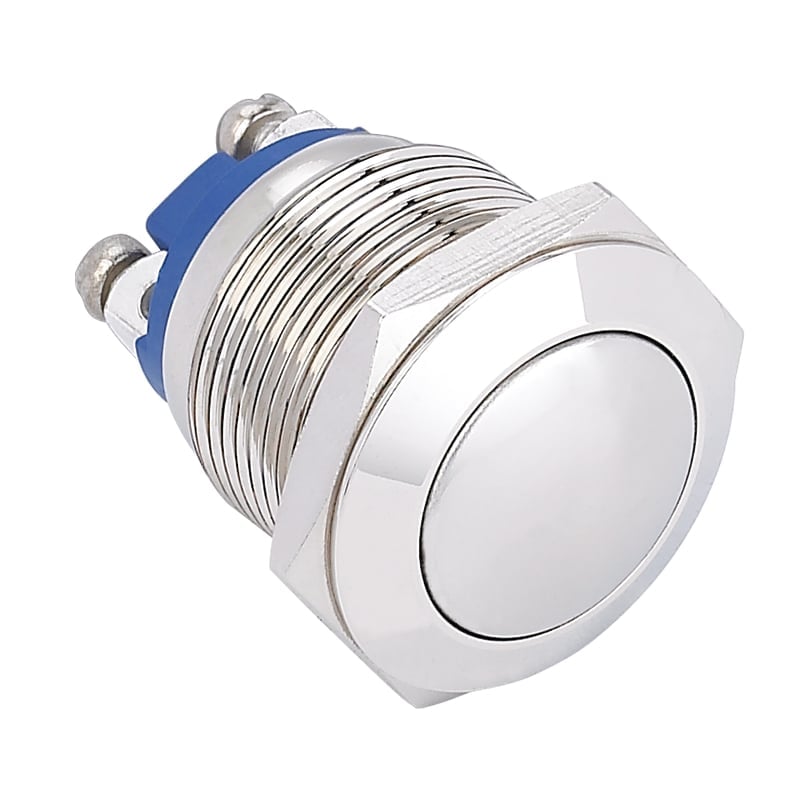
A model family can contain different illumination options, terminal styles and visible operating heads. The declaration should identify the supplied configuration clearly enough for the equipment manufacturer to trace it to a purchase line. A catalogue picture helps the team recognize a product but cannot establish its material composition or justify grouping variants together.
예를 들어, ONPOW GQ19F-10/J/N product page is an identification starting point for an enquiry. Use the exact supplier-confirmed ordering code and revision in the request. If another GQ19 variant is included, list it explicitly and ask the supplier to explain the declaration’s coverage. Do not infer that matching dimensions or a common series name means identical internal materials.
Keep the requested product list separate from the supplier’s confirmed coverage list. Comparing those two lists is more reliable than searching a PDF for the word “GQ19.” A response that covers three codes out of four should remain a partial response, with the remaining item assigned for follow-up. This avoids turning an administrative omission into a blanket acceptance.
Build a receiving checklist that preserves meaning
The following table is a recommended procurement review aid. It is not a reproduction of mandatory standard fields. The exact data requirements must come from the agreed edition, customer specification and applicable exchange resources.
| 검토 항목 | What the buyer should establish | Useful follow-up when unclear |
|---|---|---|
| 제품 커버리지 | Ordered code and revision map to the supplier response | Request a code-by-code coverage attachment |
| Declaration purpose | Compliance response or composition information serves the receiving task | Ask which deliverable the customer actually needs |
| Reference list | List owner, identity and version are identifiable | Obtain the exact list reference used to answer |
| Meaning of answers | Yes, no, unknown and not applicable remain distinct | Ask for definitions and supporting context |
| Data relationships | Each answer remains attached to the correct product or declared item | Preserve the original hierarchy and identifiers |
| Transfer format | The receiving system can import the agreed file | Perform a controlled import and review exceptions |
| Revision control | The accepted file and later changes can be distinguished | Record issue date, revision and change contact |
Use the checklist at receipt and after an import. A successful upload confirms that a system accepted a file, but it does not prove that all products or meanings survived the transfer. Inspect the receiving record and compare several important entries with the original supplier response.
Separate a compliance response from composition information
A request for a declaration about a specified list is different from a request to describe material composition. Decide which question you need answered before asking for a document. Otherwise, a supplier may answer a narrow list while the receiving engineer expects a detailed breakdown, creating avoidable delay.
The IEC implementation guidance publication explicitly supports organizations submitting and receiving declarations. Its public summary identifies both declaration approaches and discusses using different lists. That helps explain why the request must define its reference context. It does not authorize buyers to invent missing material data or convert a supplier’s statement into a wider claim.
If information is confidential, discuss an appropriate controlled disclosure route with the supplier and the receiving compliance team. A restricted attachment, nominated recipient or agreed data system may solve a transfer problem. Leave unavailable fields unresolved until the responsible party supplies an acceptable answer. Substituting an estimate would make the record appear more complete while reducing its reliability.
Review lists, thresholds and unknown answers together
A yes-or-no answer has little value when the question it answers has been detached from the record. Preserve the referenced list and its version, the applicable reporting context and any explanation accompanying the answer. A later reviewer should not need to guess what the supplier meant when the file was created.
Do not interpret a negative response as a universal statement that a substance is absent at every concentration. Reporting rules and application conditions matter. Equally, a blank cell should not become “no” during spreadsheet cleanup. Keep unknown and not-applicable responses visibly different, and request the basis for a not-applicable classification when it affects the buying decision.
For related regulatory-document boundaries, consult the REACH 물질 선언 검토. Keep that assessment connected to this data workflow without copying its conclusion into every field. The legal question and the exchange question need separate answers even when both use information from the same supplier.
Test the handoff with a small controlled import
Before processing a large switch list, agree a small sample that includes a straightforward item and an item with an exception or unresolved answer. Import it into a disposable review area or use the receiving system’s validation process. Compare product identifiers, answer states, reference versions and explanatory notes with the supplier original.
If the receiver rejects the file, preserve the rejection message and identify whether the issue is format, content or scope. A formatting correction should not change the substance answer. If the supplier issues a replacement, retain both revisions and document which one was accepted. This allows the team to distinguish a corrected technical answer from a harmless change in file structure.
Assign ownership for resolving import exceptions. Procurement may obtain the replacement file, while the compliance specialist decides whether the content is sufficient. Record those responsibilities before the order becomes urgent. A shared folder containing several similarly named attachments is a weak substitute for an identified accepted revision and named reviewer.
Use a configuration example to expose gaps early
Imagine a panel builder requests information for a non-illuminated switch and an illuminated alternative. The supplier returns a declaration containing only the first ordering code. Both products appear together in the sales quotation, but the declaration’s coverage is narrower. The sensible next step is to request confirmation for the second code, rather than extend the first answer because the heads look similar.
Next, suppose the supplier confirms both codes but uses an older reference-list version than the customer requested. Preserve that answer as received and ask the customer and supplier to resolve the version mismatch. An older document is not automatically false, yet it may not answer the current question. Your review note should identify the mismatch and the action needed to close it.
Finally, consider an import that drops a supplier’s explanation from an exceptions column. The original file and imported record now communicate different information. Restore the explanation through an agreed field or linked attachment, then repeat the comparison. The objective is a faithful transfer of the supplier’s response, not merely an error-free upload screen.
Prepare the enquiry and change-control record
Send the supplier the exact ordered codes, expected format, applicable edition, requested reference list and customer deadline. Explain who will receive the information and whether a controlled disclosure route is available. Ask for a technical contact who can clarify coverage and answer definitions. Keep the request concise enough that each unresolved question can receive a specific response.
When the supplier changes a product or updates a declaration, compare the new coverage and reference context with the accepted record. Decide whether the downstream file needs replacement and notify the responsible customer contact where appropriate. Avoid setting an arbitrary universal expiry date; use the customer’s rules and relevant changes to determine review timing.
For supporting evidence review, the 실험실 인증 범위 가이드 explains why a laboratory name alone does not establish that a particular result supports your purchase. The RoHS declaration scope review addresses a different question: which supplied configuration a regulatory statement covers. Together, these records help maintain a usable equipment file.
자주 묻는 질문
Does an IEC 62474 file certify an ONPOW push button?
No. A material declaration communicates information within its stated scope. A standard number, imported file or product photograph does not establish certification of an ONPOW model. Obtain supplier-confirmed coverage and have the responsible project team assess the actual requirement.
Can a spreadsheet be accepted instead of a structured exchange file?
That depends on the customer’s agreed deliverable and system requirements. A readable questionnaire can be useful commercially, but it should not be described as a conforming exchange file without checking the applicable requirements. Agree the format before the supplier prepares its response.
Should we replace IEC 62474 references with IEC 82474-1 automatically?
No. Confirm the contractual edition and receiving system first. The 2025 publication has additional scope and features. A deliberate migration can require updated questions, mapping and validation rather than a simple change to the document heading.
What should we do with an unknown answer?
Keep it visible, identify the affected product and request the missing information or an agreed alternative route. The responsible reviewer should decide whether the unresolved point prevents acceptance. Do not convert unknown into a negative response to make the file look complete.
추가 학습 자료
IEC explains environmental services and supply-chain confidence as background to the use of material information. This general educational video is not an IEC 62474 data-field tutorial or evidence about an ONPOW product.