

Limit switch actuator types translate machine motion into reliable switch operation. A plunger accepts direct axial movement, a roller reduces sliding friction, a lever increases reach and changes mechanical advantage, and a rod or whisker tolerates wider approach variation. The actuator is not a cosmetic option: it determines approach direction, required force, permitted speed, travel, repeatability, and exposure to impact. Select the actuator only after the machine motion and tolerance stack are documented, then verify the exact switch drawing and test the assembled mechanism.
Seçim kuralı: cihazı, aktüatörü, kontakları, muhafazayı, kablolamayı, kontrol mantığını, kullanıcıyı ve makine hareketini tek bir sistem olarak ele alın. Ürün örnekleri yalnızca formu göstermektedir; nihai uygunluk, tam sipariş kodu için güncel belgelerden ve bitmiş ekipmandaki doğrulamadan gelmelidir.
Mekaniğin nasıl çalıştığı
The actuator transfers external movement to an internal snap-action or slow-action contact mechanism. Reliable operation requires the moving target to cross the operating point while staying inside the permitted overtravel and force limits. Release motion must also cross the reset point. Cam shape, alignment, speed, vibration, and wear can change the effective stroke, so a switch that clicks on a bench may still be unreliable in the machine.

Bir bakışta seçim kriterleri
| Karar alanı | Nelerin doğrulanması gerekiyor | Mühendislik gerekçesi |
|---|---|---|
| Straight plunger | Direct axial approach with tightly controlled alignment | Compact and repeatable, but poorly suited to side loading. |
| Roller plunger | Direct approach where the target also slides across the actuator | Rolling contact reduces rubbing but adds height and a rotating part. |
| Hinge lever | A cam approaches from the side and additional reach is needed | The lever changes force and travel at the internal plunger. |
| Roller lever | Repeated cam travel across the actuator | The roller reduces sliding wear and helps a cam pass smoothly. |
| Adjustable lever | The operating radius must be tuned during setup | Adjustment adds flexibility but must be locked and documented. |
| Rod or whisker | The target position varies across a wider area | Flexible reach tolerates misalignment but usually reduces positional precision. |
| Fork or special head | The mechanism requires bidirectional or application-specific engagement | Use only with the exact manufacturer motion diagram. |
| Sealed actuator assembly | Dust, oil, spray, or condensation can reach the switch | The complete housing and cable entry must match the environment. |
Bu tablo kasıtlı olarak kalatiftir. Sayısal limitler, derecelendirmeler, tork, kuvvet, strok, çevresel iddialar ve dayanıklılık değerleri güncel veri sayfasından alınmalı ve uygulama koşulları altında değerlendirilmelidir.
Ayrıntılı seçim süreci
Straight plunger
Neyin doğrulanacağı: Direct axial approach with tightly controlled alignment. Compact and repeatable, but poorly suited to side loading. The requirement should be written in the project specification and traced to the exact model drawing or datasheet. Review worst-case tolerance, wear, contamination, maintenance access, and foreseeable misuse. If the available documentation does not define the boundary, keep the point open for supplier confirmation and sample testing rather than substituting an assumption.
Roller plunger
Neyin doğrulanacağı: Direct approach where the target also slides across the actuator. Rolling contact reduces rubbing but adds height and a rotating part. The requirement should be written in the project specification and traced to the exact model drawing or datasheet. Review worst-case tolerance, wear, contamination, maintenance access, and foreseeable misuse. If the available documentation does not define the boundary, keep the point open for supplier confirmation and sample testing rather than substituting an assumption.
Hinge lever
Neyin doğrulanacağı: A cam approaches from the side and additional reach is needed. The lever changes force and travel at the internal plunger. The requirement should be written in the project specification and traced to the exact model drawing or datasheet. Review worst-case tolerance, wear, contamination, maintenance access, and foreseeable misuse. If the available documentation does not define the boundary, keep the point open for supplier confirmation and sample testing rather than substituting an assumption.
Roller lever
Neyin doğrulanacağı: Repeated cam travel across the actuator. The roller reduces sliding wear and helps a cam pass smoothly. The requirement should be written in the project specification and traced to the exact model drawing or datasheet. Review worst-case tolerance, wear, contamination, maintenance access, and foreseeable misuse. If the available documentation does not define the boundary, keep the point open for supplier confirmation and sample testing rather than substituting an assumption.
Adjustable lever
Neyin doğrulanacağı: The operating radius must be tuned during setup. Adjustment adds flexibility but must be locked and documented. The requirement should be written in the project specification and traced to the exact model drawing or datasheet. Review worst-case tolerance, wear, contamination, maintenance access, and foreseeable misuse. If the available documentation does not define the boundary, keep the point open for supplier confirmation and sample testing rather than substituting an assumption.
Rod or whisker
Neyin doğrulanacağı: The target position varies across a wider area. Flexible reach tolerates misalignment but usually reduces positional precision. The requirement should be written in the project specification and traced to the exact model drawing or datasheet. Review worst-case tolerance, wear, contamination, maintenance access, and foreseeable misuse. If the available documentation does not define the boundary, keep the point open for supplier confirmation and sample testing rather than substituting an assumption.
Fork or special head
Neyin doğrulanacağı: The mechanism requires bidirectional or application-specific engagement. Use only with the exact manufacturer motion diagram. The requirement should be written in the project specification and traced to the exact model drawing or datasheet. Review worst-case tolerance, wear, contamination, maintenance access, and foreseeable misuse. If the available documentation does not define the boundary, keep the point open for supplier confirmation and sample testing rather than substituting an assumption.
Sealed actuator assembly
Neyin doğrulanacağı: Dust, oil, spray, or condensation can reach the switch. The complete housing and cable entry must match the environment. The requirement should be written in the project specification and traced to the exact model drawing or datasheet. Review worst-case tolerance, wear, contamination, maintenance access, and foreseeable misuse. If the available documentation does not define the boundary, keep the point open for supplier confirmation and sample testing rather than substituting an assumption.

Başvuru incelemesi
- Map the full target path, not just its final position. Record the expected command, response, release behavior, abnormal condition, and acceptance evidence for the assembled machine.
- Check approach and departure angles at tolerance extremes. Record the expected command, response, release behavior, abnormal condition, and acceptance evidence for the assembled machine.
- Keep the actuator out of the role of a mechanical hard stop. Record the expected command, response, release behavior, abnormal condition, and acceptance evidence for the assembled machine.
- Measure available overtravel after the electrical operating point. Record the expected command, response, release behavior, abnormal condition, and acceptance evidence for the assembled machine.
- Test slow, normal, and maximum machine speed. Record the expected command, response, release behavior, abnormal condition, and acceptance evidence for the assembled machine.
Her uygulama için başlangıç, normal çalışma, kapatma, güç kaybı, gücün yeniden gelmesi, bakım modu, bileşen değişimi ve risk değerlendirmesi ile belirlenen hatalar dahil edilmelidir. Genel bir kontrol anahtarı, eksiksiz bir güvenlik işlevi olarak değerlendirilmemelidir.
Devreye alma kontrol listesi
- Gereksinimi dondurun. İstenen eylemi, normal durumu, beslemeyi, yükü, hareketi, ortamı ve kullanıcıyı belirtin.
- Sipariş kodunu eşleştir. Teslim edilen parçayı onaylı çizim, kontak şeması, aktüatör, terminal tipi ve aksesuarlar ile karşılaştırın.
- Montajı incele. Hizalamayı, bağlantı elemanlarını, arka boşluğu, kablo düzenini, gerilim azaltıcıyı, gerilimsizleme elemanlarını, akım taşıyan kısımların korunmasını ve servis erişimini kontrol edin.
- Her durumu test et. Çalışma ve bırakma (fonksiyonunu) tolerans uç değerlerinde, beklenen hızlarda, yüklerde, eldivenlerle, kontaminasyon ve çevresel koşullarda doğrulayın.
- Anormal durumları test edin. Kopmuş iletkenler, bloke olmuş veya hasar görmüş mekanizmalar, güç kaybı, kirlenme ve diğer muhtemel arızaları dahil edin.
- Sonucu kaydet. Modeli, revizyonu, test yöntemini, gözlemleri, kabul kriterlerini, tarihi ve onaylayan kişiyi kaydedin.
Common mistakes
- Choosing by catalog photograph instead of the motion drawing. Prevent this by assigning the check to a drawing, datasheet, wiring record, or commissioning test with a named acceptance criterion.
- Allowing a cam edge to strike a lever sideways. Prevent this by assigning the check to a drawing, datasheet, wiring record, or commissioning test with a named acceptance criterion.
- Using excessive overtravel to compensate for poor alignment. Prevent this by assigning the check to a drawing, datasheet, wiring record, or commissioning test with a named acceptance criterion.
- Ignoring the release point and reset margin. Prevent this by assigning the check to a drawing, datasheet, wiring record, or commissioning test with a named acceptance criterion.
- Assuming a roller makes every impact acceptable. Prevent this by assigning the check to a drawing, datasheet, wiring record, or commissioning test with a named acceptance criterion.
What to include in an RFQ
Provide the application, target market, applicable standards, machine function, supply and load, control interface, contact logic, mechanical drawing, motion path, panel dimensions, cable method, environment, operating frequency, quantity, documentation needs, and sample-validation plan. Ask the supplier to identify assumptions and exceptions. ONPOW offers relevant products in its application-specific product family and the broader industrial control product range.
Related ONPOW guides
Authoritative references
- IEC 60947-5-1 control-circuit devices
- IEC 60529 degrees of protection provided by enclosures
- OSHA machine guarding requirements
- OSHA electrical safety requirements
Educational video
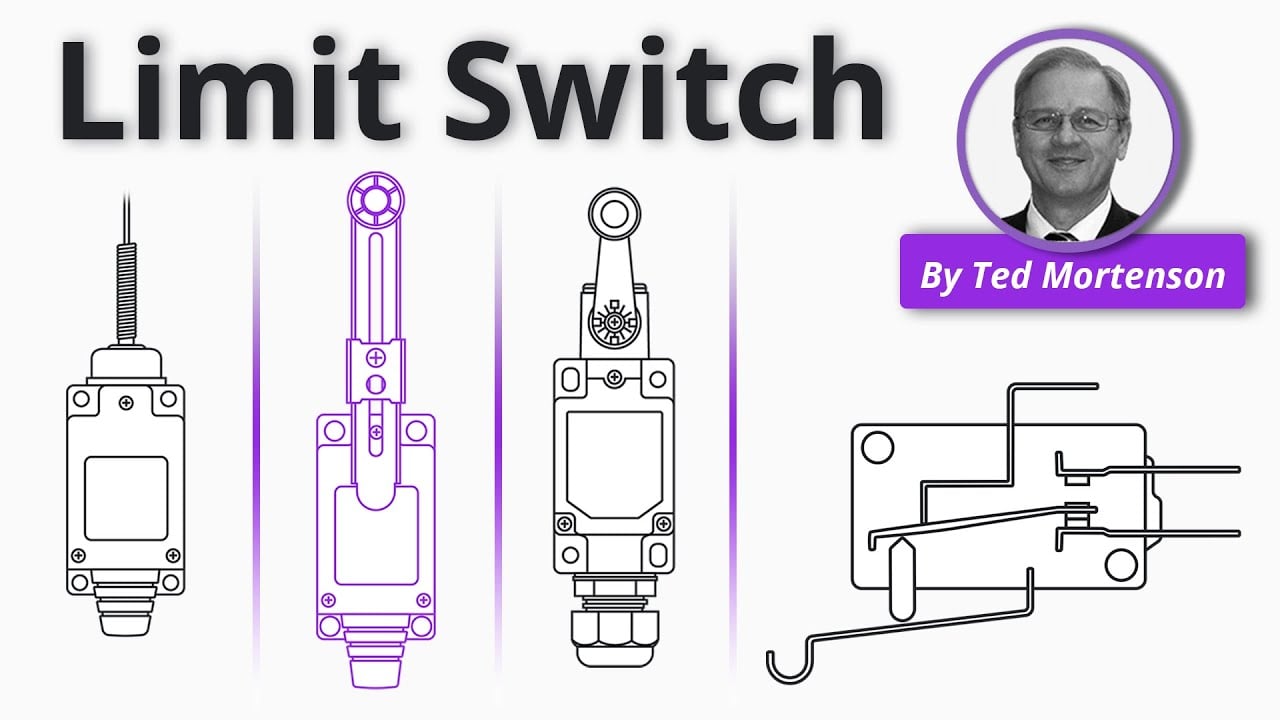
Limit Switch Explained by RealPars provides general background. Project decisions still require the applicable standards and product documentation.
Frequently asked questions
Hangi aktüatör en hassastır?
Doğruluk; tam olarak kullanılan anahtara, montaja, kamaya, kuvvete, sıcaklığa, aşınmaya ve tolerans yığınına bağlıdır. Bir itici genellikle doğrudandır, ancak model verileri ve monte edilmiş test karar verir.
Bir silindir ne zaman kullanılmalıdır?
Bir kam veya hedef aktüatörün üzerinden geçtiğinde ve kayma sürtünmesinin azaltılması faydalı olduğunda bir makara kullanın.
Bir limit switch, makine hareketini mekanik olarak durdurabilir mi?
Hayır. Bir mekanik durdurucu gerektiğinde makinenin ayrı bir mekanik durdurucuya ihtiyacı vardır; anahtar aktüatörü, belgelenmiş hareket mesafesi içinde kalmalıdır.
Mikro anahtar ile limit anahtar aynı şey midir?
Bir mikro anahtar dahili anahtarlama elemanı olabilirken, bir sınır anahtarı genellikle eksiksiz monte edilmiş konum algılama tertibatını tanımlar.
Final decision
Approve the component only when the documented mechanical, electrical, environmental, usability, installation, and maintenance boundaries all fit the assembled system. Resolve unknowns through current manufacturer information and testing before production release.



