

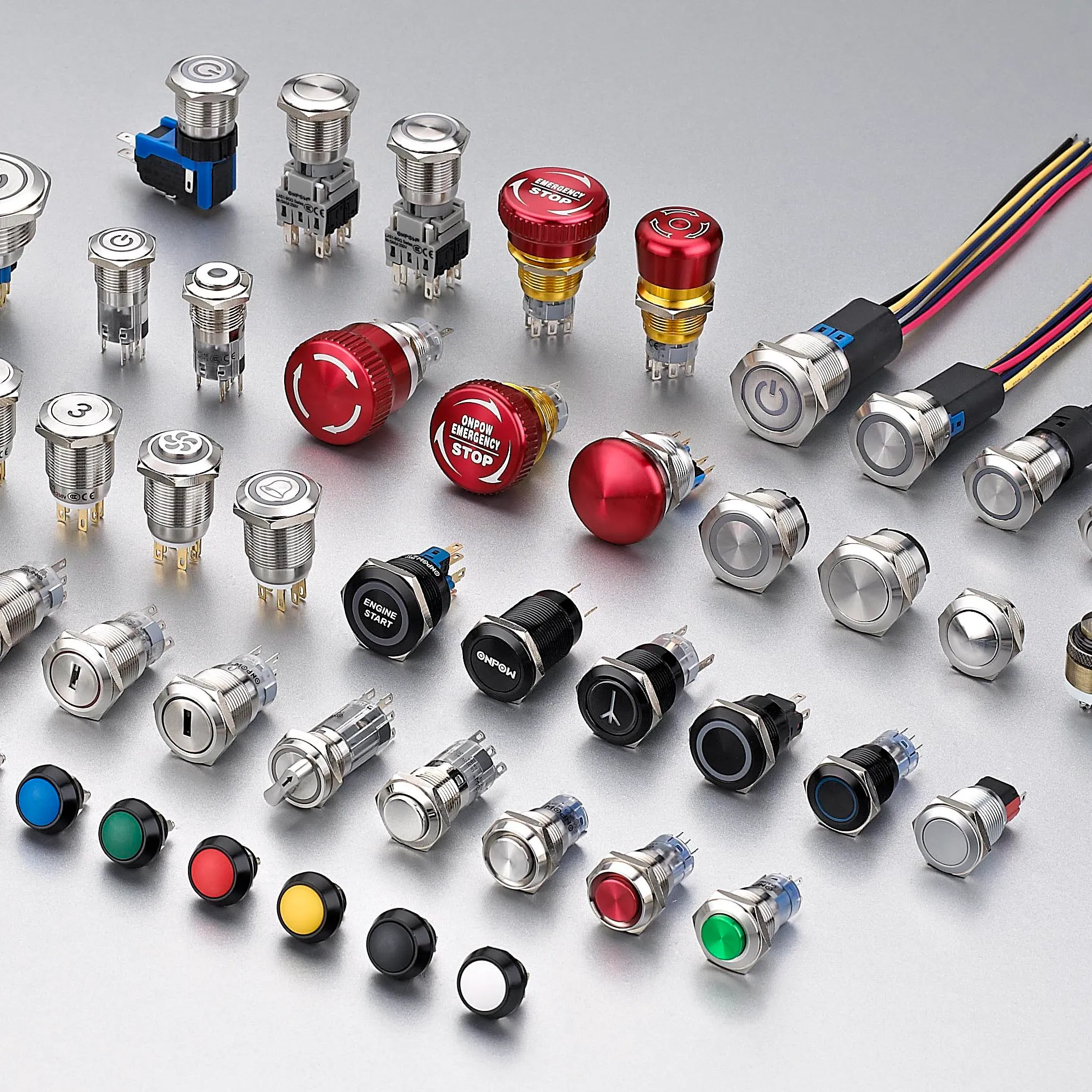
Choosing a touch switch versus a push button is mainly a human-interface and environment decision. A touch switch senses a finger or object through capacitive, resistive, piezoelectric, optical, or another method, depending on its design. A mechanical push button requires physical travel and normally provides tactile feedback. Touch interfaces can offer a flush, easy-to-clean surface; mechanical buttons can provide unmistakable movement and glove-friendly operation. Neither is automatically better, and neither product name proves suitability for an emergency or safety function.
Krótka odpowiedź: Wybór jest decyzją systemową. Należy wspólnie potwierdzić interfejs mechaniczny, interfejs elektryczny, środowisko, reakcję człowieka, plan konserwacji oraz obowiązujące normy. Poniższe przykłady stanowią wskazówki decydujące, a nie uniwersalne oceny produktów.
Jak działa urządzenie lub system
The important boundary is not simply “electronic versus mechanical.” A capacitive touch switch detects a change in an electric field and needs electronics, calibration, and a defined user interaction. A piezoelectric switch responds to mechanical stress without conventional moving contacts at the front. A conventional push button mechanically moves contacts or a separate contact block. Each architecture produces a different output and can react differently to gloves, moisture, cleaning, electromagnetic disturbance, impact, and power loss. Selection should begin with users and operating conditions, then move to electrical integration.

Kryteria wyboru w skrócie
| Obszar decyzyjny | Co zweryfikować | Dlaczego to ma znaczenie |
|---|---|---|
| User feedback | Touch designs may use light or sound; push buttons commonly provide travel and tactile force | The operator must know whether the command was detected without relying on machine motion. |
| Gloves | Mechanical buttons are often easier with varied gloves; touch performance depends on sensing method and setup | Test every glove type used in production, including wet or contaminated conditions. |
| Cleaning | Flush touch surfaces can reduce crevices; mechanical operators may need additional cleaning consideration | Material compatibility and sealing must still be verified for the actual cleaning process. |
| False activation | Touch systems require control of water films, nearby conductive objects, grounding, and sensitivity | Mechanical buttons require force and travel but can still be struck or obstructed. |
| Electrical output | Touch switches may need power and produce an electronic output; push buttons often provide dry contacts | Confirm the PLC input, leakage current, voltage levels, contact load, and failure state. |
| Środowisko | Both types need explicit temperature, ingress, impact, vibration, and chemical limits | A stainless appearance alone does not establish environmental suitability. |
| Safety role | Use purpose-designed devices and a validated safety architecture for safety functions | A convenient touch surface must not replace an emergency-stop device merely because it is red or prominent. |
| Konserwacja | Touch units may need diagnostic and calibration checks; mechanical units need travel and contact checks | Define how technicians will test the command and detect degradation without unsafe assumptions. |
Tabela ma charakter celowo jakościowy. Limity numeryczne muszą pochodzić z aktualnej karty katalogowej dla konkretnego modelu oraz z warunków projektowych maszyny. Nie należy przenosić wartości z podobnie wyglądającego produktu, innego napięcia, innej kategorii obciążenia ani ze strony konkurencji.
Jak dokonać wyboru
User feedback
Touch designs may use light or sound; push buttons commonly provide travel and tactile force This matters because the operator must know whether the command was detected without relying on machine motion. Record the chosen value, the source document, and the condition under which it applies. If the requirement cannot be verified from the current product documentation, keep it open for supplier confirmation rather than filling the gap with an assumption.
Gloves
Mechanical buttons are often easier with varied gloves; touch performance depends on sensing method and setup This matters because test every glove type used in production, including wet or contaminated conditions. Record the chosen value, the source document, and the condition under which it applies. If the requirement cannot be verified from the current product documentation, keep it open for supplier confirmation rather than filling the gap with an assumption.
Cleaning
Flush touch surfaces can reduce crevices; mechanical operators may need additional cleaning consideration This matters because material compatibility and sealing must still be verified for the actual cleaning process. Record the chosen value, the source document, and the condition under which it applies. If the requirement cannot be verified from the current product documentation, keep it open for supplier confirmation rather than filling the gap with an assumption.
False activation
Touch systems require control of water films, nearby conductive objects, grounding, and sensitivity This matters because mechanical buttons require force and travel but can still be struck or obstructed. Record the chosen value, the source document, and the condition under which it applies. If the requirement cannot be verified from the current product documentation, keep it open for supplier confirmation rather than filling the gap with an assumption.
Electrical output
Touch switches may need power and produce an electronic output; push buttons often provide dry contacts This matters because confirm the PLC input, leakage current, voltage levels, contact load, and failure state. Record the chosen value, the source document, and the condition under which it applies. If the requirement cannot be verified from the current product documentation, keep it open for supplier confirmation rather than filling the gap with an assumption.
Środowisko
Both types need explicit temperature, ingress, impact, vibration, and chemical limits This matters because a stainless appearance alone does not establish environmental suitability. Record the chosen value, the source document, and the condition under which it applies. If the requirement cannot be verified from the current product documentation, keep it open for supplier confirmation rather than filling the gap with an assumption.
Safety role
Use purpose-designed devices and a validated safety architecture for safety functions This matters because a convenient touch surface must not replace an emergency-stop device merely because it is red or prominent. Record the chosen value, the source document, and the condition under which it applies. If the requirement cannot be verified from the current product documentation, keep it open for supplier confirmation rather than filling the gap with an assumption.
Konserwacja
Touch units may need diagnostic and calibration checks; mechanical units need travel and contact checks This matters because define how technicians will test the command and detect degradation without unsafe assumptions. Record the chosen value, the source document, and the condition under which it applies. If the requirement cannot be verified from the current product documentation, keep it open for supplier confirmation rather than filling the gap with an assumption.
Przegląd aplikacji
Wykorzystaj poniższe scenariusze jako wytyczne do przeglądu inżynieryjnego. Same w sobie nie potwierdzają one przydatności:
- Use a flush touch interface where frequent wipe-down and low physical effort are priorities. During commissioning, verify the command, expected response, abnormal response, and reset behavior in the assembled machine.
- Use a mechanical push button where strong tactile confirmation and broad glove compatibility are required. During commissioning, verify the command, expected response, abnormal response, and reset behavior in the assembled machine.
- Combine a touch command with visual confirmation so detection is clear before machine response. During commissioning, verify the command, expected response, abnormal response, and reset behavior in the assembled machine.
- Separate routine touch controls from dedicated safety controls that follow the applicable design requirements. During commissioning, verify the command, expected response, abnormal response, and reset behavior in the assembled machine.
- Prototype both options with real operators when accessibility, contamination, or repetitive use is important. During commissioning, verify the command, expected response, abnormal response, and reset behavior in the assembled machine.
Dla każdego przypadku należy uwzględnić skrajne tolerancje, rozruch, wyłączenie, utratę zasilania, przywrócenie zasilania, tryb konserwacji, przewidywalne niewłaściwe użycie oraz wymianę komponentów. W przypadkach, gdy polecenie wpływa na bezpieczeństwo personelu, funkcja bezpieczeństwa musi być zaprojektowana i zwieziona niezależnie od zwykłego sterowania procesem.
Uruchomienie i weryfikacja
- Zablokuj wymaganie. Opisz zamierzony stan, działanie operatora, obciążenie, zasilanie, środowisko i czas reakcji prostym językiem.
- Sprawdź dokładny model. Dopasuj kod zamówienia do jego aktualnego rysunku, tabeli znamionowej, schematu wyprowadzeń i instrukcji.
- Sprawdź instalację. Potwierdzić wycięcie, elementy złączne, osiowanie, wpust kablowy, prześwit z tyłu, odciążenie naciągu oraz zabezpieczenie części pod napięciem.
- Test normalnego działania. Przeprowadź ćwiczenia z urządzeniem w całym oczekiwanym zakresie ruchu, przez użytkowników, z różnymi obciążeniami oraz w warunkach środowiskowych.
- Przetestuj nienormalne warunki. Uwzględnij odłączony przewód, zablokowany mechanizm, brak zasilania, zanieczyszczenie oraz inne usterki zidentyfikowane w ocenie ryzyka.
- Zapisz wyniki. Zachowaj model, wersję, metodę testową, datę, kryteria akceptacji, zarejestrowane obserwacje oraz osobę zatwierdzającą.
- Zaplanuj okresowe kontrole. Częstotliwość przeglądów i wymian należy opierać na warunkach pracy, otoczeniu, krytyczności i zaobserwowanym zużyciu, a nie na wymyślonym, uniwersalnym harmonogramie.
Częste błędy przy rekrutacji
- Assuming every touch switch is capacitive and behaves the same way. Zapobiegnij temu poprzez wyznaczenie właściciela, zarejestrowanie odpowiedniego rysunku technicznego lub karty katalogowej oraz przetestowanie faktycznej instalacji zamiast polegania na nazwie produktu lub zdjęciu z katalogu.
- Testing with bare dry fingers when operators wear gloves or work with moisture. Zapobiegnij temu poprzez wyznaczenie właściciela, zarejestrowanie odpowiedniego rysunku technicznego lub karty katalogowej oraz przetestowanie faktycznej instalacji zamiast polegania na nazwie produktu lub zdjęciu z katalogu.
- Treating an illuminated ring as proof that the machine accepted the command. Zapobiegnij temu poprzez wyznaczenie właściciela, zarejestrowanie odpowiedniego rysunku technicznego lub karty katalogowej oraz przetestowanie faktycznej instalacji zamiast polegania na nazwie produktu lub zdjęciu z katalogu.
- Ignoring the powered electronic output and plc input compatibility. Zapobiegnij temu poprzez wyznaczenie właściciela, zarejestrowanie odpowiedniego rysunku technicznego lub karty katalogowej oraz przetestowanie faktycznej instalacji zamiast polegania na nazwie produktu lub zdjęciu z katalogu.
- Choosing a mechanical button by panel diameter without checking rear depth and contact blocks. Zapobiegnij temu poprzez wyznaczenie właściciela, zarejestrowanie odpowiedniego rysunku technicznego lub karty katalogowej oraz przetestowanie faktycznej instalacji zamiast polegania na nazwie produktu lub zdjęciu z katalogu.
- Using a general touch control as an emergency-stop or guard-reset device without validation. Zapobiegnij temu poprzez wyznaczenie właściciela, zarejestrowanie odpowiedniego rysunku technicznego lub karty katalogowej oraz przetestowanie faktycznej instalacji zamiast polegania na nazwie produktu lub zdjęciu z katalogu.
Co uwzględnić w zapytaniu ofertowym do dostawcy
Przydatne zapytanie powinno określać zastosowanie, rynek docelowy, obowiązujące normy, szczegóły dotyczące zasilania i obciążenia, interfejs sterowania, rysunek mechaniczny, wymiary panelu lub montażowe, metodę okablowania, środowisko, oczekiwaną częstotliwość pracy, ilość oraz wymaganą dokumentację. Należy dodać fotografie lub szkic ruchu, gdy sposób działania siłownika lub obsługi przez operatora jest trudny do opisania. Poproś dostawcę o wskazanie przyjętych założeń i odstępstw. W przypadku nowego lub zmodyfikowanego projektu należy pozyskać próbki i przeprowadzić pełną walidację przed złożeniem zamówienia wielkoseryjnego.
ONPOW zapewnia ONPOW touch switch products w szerszym kontekście asortyment produktów sterowania przemysłowego. Skorzystaj ze stron produktów, aby zidentyfikować kandydackie rodziny, a następnie potwierdź dokładny model na podstawie aktualnych informacji technicznych oraz warunków swojego projektu.
Powiązane materiały ONPOW
Autorytatywne źródła
- Microchip capacitive-touch introduction
- IEC 60204-1 electrical equipment of machines
- Wymagania OSHA dotyczące osłon maszyn
Film edukacyjny
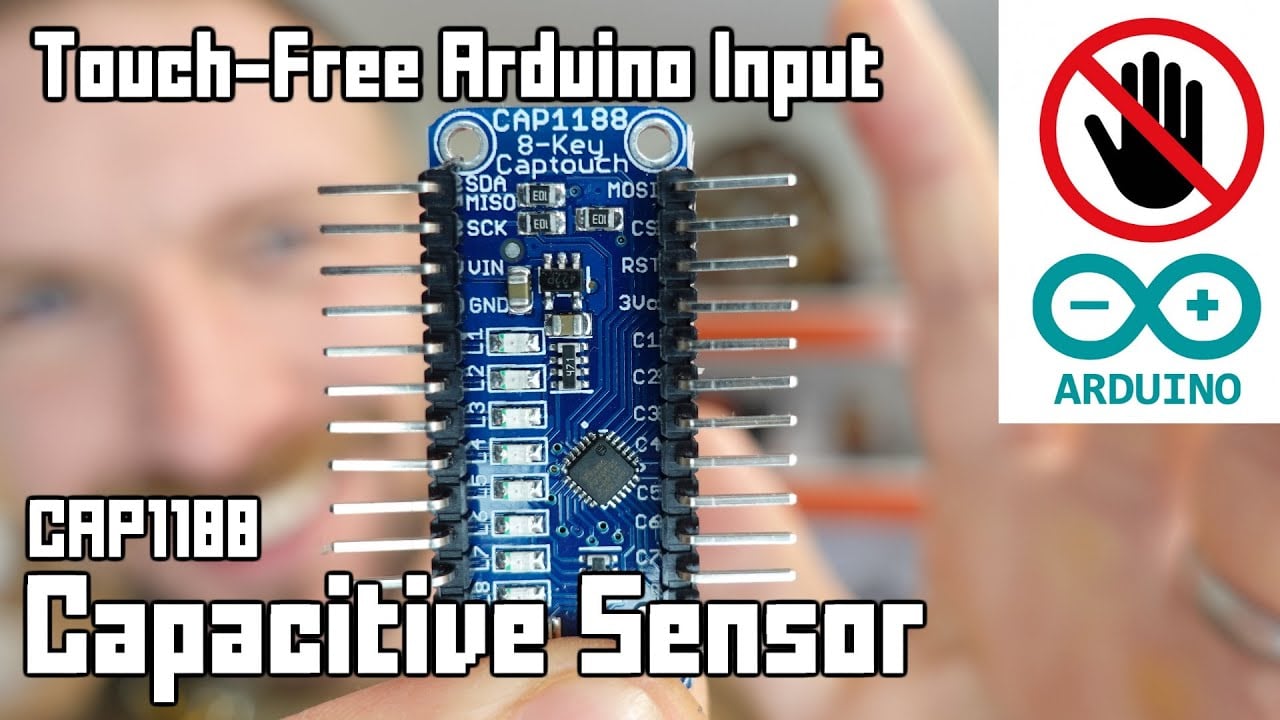
Further learning: Arduino Capacitive Touch-Free Touch Sensor Tutorial by Playful Technology. The video explains the underlying concept; the project must still follow its own risk assessment and manufacturer documentation.
Często zadawane pytania
Czy przełącznik dotykowy ma ruchome części?
To zależy od technologii. Czujniki pojemnościowe i optyczne mogą działać bez ruchu frontu, podczas gdy konstrukcja piezoelektryczna ugięłaby się pod wpływem siły. Sprawdź rzeczywistą konstrukcję.
Czy pojemnościowy przełącznik dotykowy będzie działał w rękawiczkach?
Być może, ale materiał rękawic, grubość, wilgoć, nakładka, uziemienie, czułość i elektronika – to wszystko ma znaczenie. Przetestuj konfigurację produkcyjną.
Co jest łatwiejsze w czyszczeniu?
Płaska powierzchnia dotykowa może ograniczyć szczeliny, jednak materiał obudowy, uszczelnienie krawędzi, chemikalia, temperatura oraz kompletny montaż panelu nadal decydują o łatwości czyszczenia.
Co trwa dłużej?
Żywotność zależy od technologii, częstotliwości pracy, obciążenia, środowiska, uderzeń, elektroniki oraz konserwacji. Porównaj zadeklarowane warunki testowe zamiast ogólnych twierdzeń.
Can a touch switch replace an emergency stop?
A routine touch switch should not be assumed suitable. Emergency-stop functions require purpose-designed devices, defined behavior, and a validated safety system.
Ostateczna reguła wyboru
Wybierz komponent tylko wtedy, gdy jego udokumentowane granice mechaniczne, elektryczne, środowiskowe, użyteczności i utrzymaniowe mieszczą się w całości w zmontowanym systemie. Jeśli jedna granica pozostaje nieznana, potraktuj ją jako otwarte pytanie inżynieryjne. Krótkie opóźnienie walidacji jest mniej kosztowne niż projektowanie wokół założenia, które pojawia się dopiero po instalacji.



