

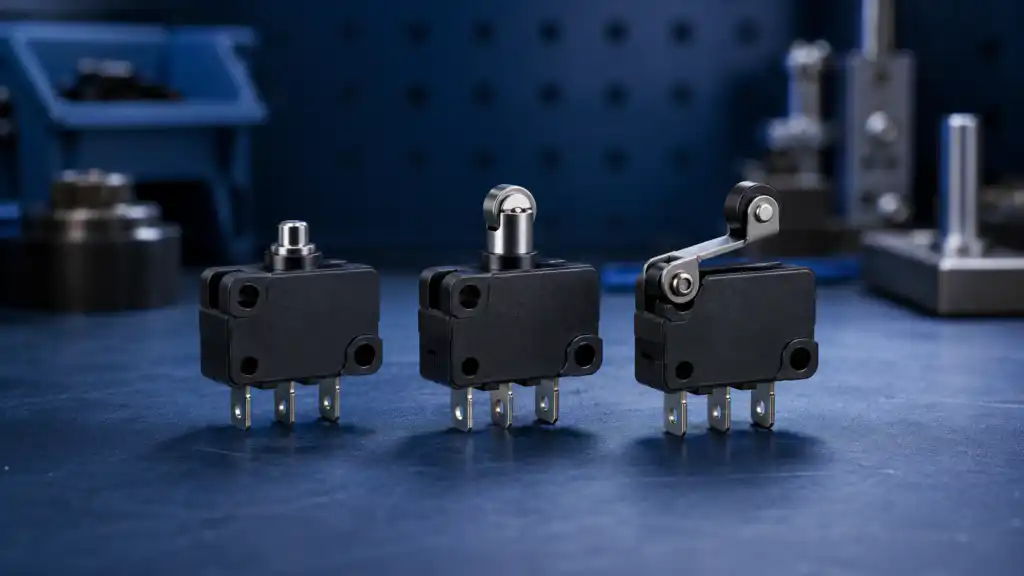
Типы приводных элементов концевых выключателей преобразуют движение машины в надежное срабатывание выключателя. Плунжер воспринимает прямое осевое движение, ролик уменьшает трение скольжения, рычаг увеличивает радиус действия и изменяет механическое преимущество, а шток или упругий стержень допускают больший разброс направления подхода. Приводной элемент не является декоративной опцией: он определяет направление подхода, необходимое усилие, допустимую скорость, ход, повторяемость и устойчивость к ударным нагрузкам. Выбирайте приводной элемент только после документирования движения машины и размерной цепи, после чего сверьтесь с точным чертежом выключателя и испытайте собранный механизм.
Правило отбора: рассматривайте устройство, исполнительный механизм, контакты, корпус, проводку, логику управления, пользователя и движение машины как единую систему. Примеры изделий иллюстрируют только форм-фактор; окончательная пригодность должна определяться на основе актуальной документации для конкретного кода заказа и путем валидации в готовом оборудовании.
Как работает механизм
Привод передает внешнее движение на внутренний механизм контактного действия (мгновенного или замедленного). Для надежной работы необходимо, чтобы движущийся объект пересекал рабочую точку, оставаясь при этом в пределах допустимого хода и усилий. Возвратное движение также должно пересекать точку сброса. Форма кулачка, юстировка, скорость, вибрация и износ могут изменять эффективный ход, поэтому переключатель, который срабатывает при проверке на столе, может оказаться ненадежным в машине.

Критерии отбора с первого взгляда
| Область принятия решений | Что проверять | Техническая причина |
|---|---|---|
| Прямой плунжер | Прямой осевой доступ с жестко контролируемым выравниванием | Компактная и легко воспроизводимая, но плохо приспособленная для боковой загрузки. |
| Роликовый плунжер | Прямой подход, при котором цель также скользит по приводному механизму | Контакт качения уменьшает трение, но увеличивает высоту и добавляет вращающуюся деталь. |
| Рычаг петли | Кулачок приближается сбоку, и требуется дополнительный вылет | Рычаг изменяет усилие и ход на внутреннем плунжере. |
| Роликовый рычаг | Повторное перемещение кулачка по штоку приводного механизма | Ролик уменьшает износ от скольжения и помогает кулачку двигаться плавно. |
| Регулируемый рычаг | Радиус действия должен быть настроен во время установки | Регулировка добавляет гибкости, но должна быть заблокирована и задокументирована. |
| Стержень или усик | Целевое положение варьируется на более широкой площади | Гибкий доступ допускает несоосность, но обычно снижает точность позиционирования. |
| Вилка или специальная насадка | Механизм требует двустороннего взаимодействия или взаимодействия, специфичного для конкретного приложения | Использовать только с точной кинематической схемой производителя. |
| Герметичный узел привода | Пыль, масло, брызги или конденсат могут попасть на переключатель | Полный корпус и кабельный ввод должны соответствовать условиям окружающей среды. |
Эта таблица носит исключительно качественный характер. Числовые пределы, номинальные параметры, крутящий момент, усилие, ход, экологические характеристики и показатели долговечности должны браться из актуального технического описания и оцениваться в условиях конкретного применения.
Подробный процесс отбора
Прямой плунжер
Что проверить: Прямой осевой подход с жестко контролируемым выравниванием. Компактность и повторяемость, но плохая приспособленность к боковым нагрузкам. Требование должно быть записано в спецификации проекта и соотнесено с точным чертежом модели или техническим паспортом. Проверьте худший случай допуска, износ, загрязнение, доступ для обслуживания и предсказуемое неправильное использование. Если имеющаяся документация не определяет границу, оставьте этот пункт открытым для подтверждения поставщиком и испытания образцов, вместо того чтобы подменять его предположением.
Роликовый плунжер
Что проверить: Прямой подход, при котором цель также скользит по приводному механизму. Контакт качения уменьшает трение, но увеличивает высоту и добавляет вращающуюся деталь. Требование должно быть зафиксировано в спецификации проекта и соотнесено с конкретным чертежом модели или техническим описанием. Проанализируйте худший случай допусков, износ, загрязнение, доступ для технического обслуживания и предсказуемое неправильное использование. Если имеющаяся документация не определяет границу, оставьте этот вопрос открытым для подтверждения поставщиком и испытания образцов, вместо того чтобы подменять его предположением.
Рычаг петли
Что проверить: Кулачок приближается сбоку, и требуется дополнительный вылет. Рычаг изменяет усилие и ход на внутреннем плунжере. Требование должно быть записано в спецификации проекта и соотнесено с конкретным чертежом модели или техническим паспортом. Проверьте наихудший допуск, износ, загрязнение, доступ для обслуживания и предсказуемое неправильное использование. Если имеющаяся документация не определяет границу, оставьте этот вопрос открытым для подтверждения поставщиком и тестирования образцов, вместо того чтобы подставлять предположение.
Роликовый рычаг
Что проверить: Многократное перемещение кулачка по исполнительному механизму. Ролик уменьшает износ от трения скольжения и способствует плавному прохождению кулачка. Это требование должно быть зафиксировано в проектной спецификации и соотнесено с конкретным чертежом модели или техническим паспортом. Проведите анализ наихудшего сочетания допусков, износа, загрязнения, доступа для технического обслуживания и предсказуемого неправильного использования. Если имеющаяся документация не определяет граничные условия, оставьте этот вопрос открытым для подтверждения поставщиком и испытания образцов, вместо того чтобы подменять его допущением.
Регулируемый рычаг
Что проверить: Радиус действия должен быть настроен во время пусконаладки. Регулировка добавляет гибкости, но должна быть зафиксирована и задокументирована. Это требование должно быть прописано в проектной спецификации и соотнесено с конкретным чертежом модели или техническим паспортом. Необходимо проанализировать худший случай с учетом допусков, износа, загрязнения, доступа для технического обслуживания и предсказуемого неправильного использования. Если имеющаяся документация не определяет границу, оставьте этот вопрос открытым для подтверждения поставщиком и испытания образцов, вместо того чтобы подменять его допущением.
Стержень или усик
Что проверить: Целевое положение варьируется в более широкой зоне. Гибкий допуск на досягаемость компенсирует смещение, но обычно снижает точность позиционирования. Требование должно быть записано в проектной спецификации и соотнесено с конкретным чертежом модели или техническим паспортом. Проверьте допуски для худшего случая, износ, загрязнение, доступность для технического обслуживания и предсказуемое неправильное использование. Если имеющаяся документация не определяет границу, оставьте этот вопрос открытым для подтверждения поставщиком и испытания образцов, вместо того чтобы подменять его предположением.
Вилка или специальная насадка
Что проверить: Механизм требует двунаправленного или специализированного зацепления. Используйте только с точной схемой движения от производителя. Требование должно быть записано в спецификации проекта и соотнесено с точным чертежом модели или техническим паспортом. Проверьте худший случай допусков, износ, загрязнение, доступ для обслуживания и предсказуемое неправильное использование. Если имеющаяся документация не определяет границу, оставьте этот пункт открытым для подтверждения поставщиком и тестирования образцов, вместо того чтобы подменять его предположением.
Герметичный узел привода
Что проверить: Пыль, масло, брызги или конденсат могут попасть на переключатель. Корпус в сборе и кабельный ввод должны соответствовать условиям окружающей среды. Это требование должно быть прописано в проектной спецификации и соотнесено с точным чертежом модели или техническим описанием. Проанализируйте худший случай допусков, износ, загрязнение, доступ для обслуживания и предсказуемое неправильное использование. Если имеющаяся документация не определяет границу, оставьте этот вопрос открытым для подтверждения поставщиком и тестирования образцов, вместо того чтобы полагаться на предположения.

Рассмотрение заявки
- Определите полный путь перемещения цели, а не только ее конечное положение. Запишите ожидаемую команду, ответ, поведение при отпускании, ненормальное состояние и свидетельство приемки для собранной машины.
- Проверьте углы въезда и съезда при предельных значениях допусков. Запишите ожидаемую команду, реакцию, поведение при размыкании, ненормальное состояние и подтверждение приемки для собранной машины.
- Не используйте привод в качестве механического жесткого упора. Зафиксируйте ожидаемую команду, отклик, поведение при сбросе, аварийное состояние и свидетельства приемки для собранной машины.
- Измерьте доступный запас хода после электрической точки срабатывания. Запишите ожидаемую команду, реакцию, поведение при отпускании, ненормальное состояние и подтверждение приемки для собранной машины.
- Проверьте малую, нормальную и максимальную скорость машины. Запишите ожидаемую команду, отклик, поведение при отпускании, ненормальное состояние и подтверждение приемки собранной машины.
Для каждого применения включите запуск, нормальную работу, выключение, потерю питания, восстановление питания, режим технического обслуживания, замену компонентов и неисправности, выявленные в ходе оценки рисков. Общий переключатель управления не должен рассматриваться как полная защитная функция.
Чек-лист ввода в эксплуатацию
- Зафиксировать требование. Укажите предполагаемое действие, нормальное состояние, питание, нагрузку, движение, окружающую среду и пользователя.
- Сравните код заказа. Сравните доставленную деталь с утвержденным чертежом, контактной схемой, приводом, типом выводов и дополнительными принадлежностями.
- Проверить установку. Проверьте центровку, крепеж, задний зазор, прокладку кабелей, снятие натяжения, защиту токоведущих частей и доступ для обслуживания.
- Проверьте каждый штат. Проверьте срабатывание и отпускание при предельных допусках, ожидаемых скоростях, нагрузках, работе в перчатках, загрязнении и различных условиях окружающей среды.
- Проверка нештатных условий. Включите отключенные проводники, заблокированные или поврежденные механизмы, потерю питания, загрязнение и другие возможные неисправности.
- Запишите результат. Сохраните модель, версию, метод испытаний, наблюдения, критерии приемки, дату и утверждающего лица.
Распространенные ошибки
- Выбор по фотографии из каталога вместо движения чертежа. Предотвратите это, закрепив проверку за чертежом, техническим паспортом, монтажной ведомостью или пусконаладочным испытанием с указанным критерием приемки.
- Боковой удар кулачкового выступа по рычагу. Предотвратите это, закрепив проверку за чертежом, техническим паспортом, монтажной ведомостью или пусконаладочным испытанием с указанным критерием приемки.
- Использование чрезмерного хода для компенсации плохого выравнивания. Предотвратите это, закрепив проверку за чертежом, техническим паспортом, монтажной ведомостью или пусконаладочным испытанием с указанным критерием приемки.
- Игнорируя точку отпускания и запас на сброс. Предотвратите это, закрепив проверку за чертежом, техническим паспортом, монтажной ведомостью или пусконаладочным испытанием с указанным критерием приемки.
- При условии, что каток делает каждый удар приемлемым. Предотвратите это, закрепив проверку за чертежом, техническим паспортом, монтажной ведомостью или пусконаладочным испытанием с указанным критерием приемки.
Что включить в запрос предложений (RFQ)
Предоставьте информацию о применении, целевом рынке, применимых стандартах, функции машины, питании и нагрузке, интерфейсе управления, логике контактов, чертеже механической части, траектории движения, размерах панели, способе подключения кабелей, условиях окружающей среды, частоте работы, количестве, требованиях к документации и плане проверки образцов. Попросите поставщика указать допущения и исключения. Компания ONPOW предлагает соответствующую продукцию в своей семейство специализированной продукции и более широкий ассортимент продукции для промышленного управления.
Похожие руководства ONPOW
- Как работает микропереключатель
- Микропереключатель против концевого выключателя
- Механическая жизнь против электрической жизни
Авторитетные источники
- Аппаратура распределения и управления низковольтная. Часть 5-1. Устройства цепей управления и коммутационные элементы
- ГОСТ 60529 Степени защиты, обеспечиваемые оболочками (Код IP)
- Требования OSHA к ограждению оборудования
- Требования OSHA по электробезопасности
Обучающее видео
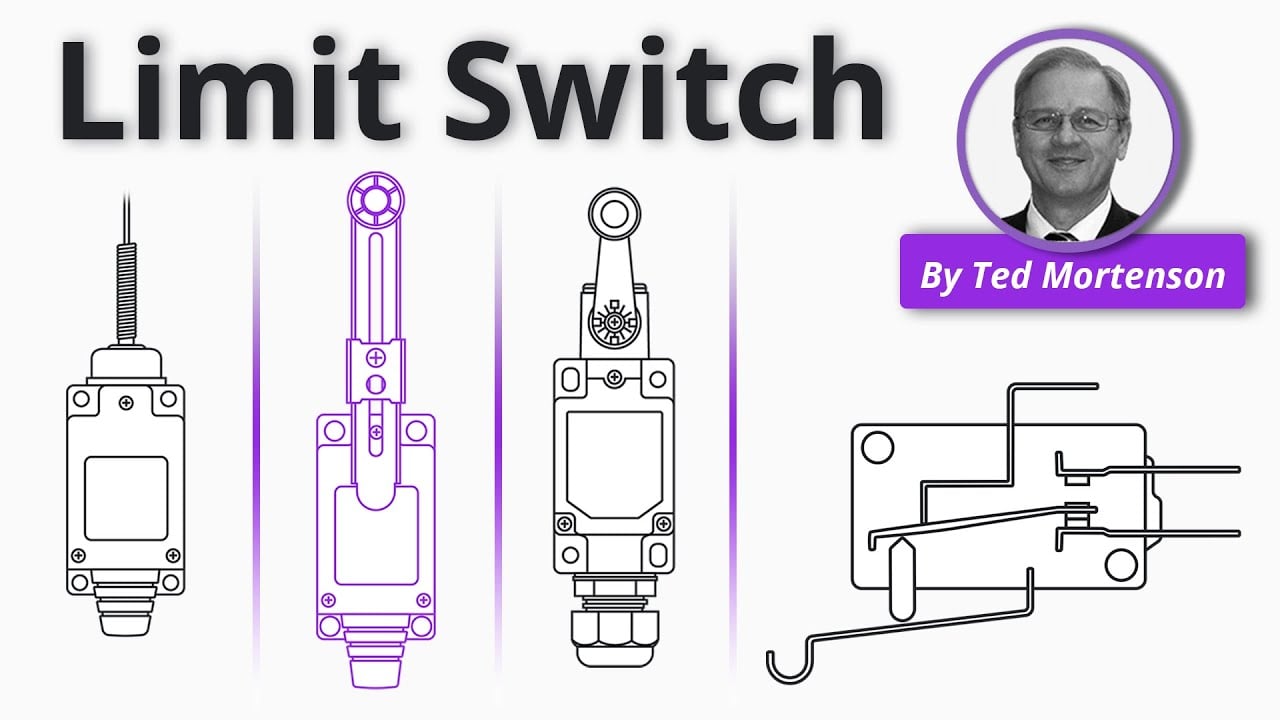
Видео «Limit Switch Explained» от RealPars дает общую справочную информацию. При принятии проектных решений по-прежнему необходимо руководствоваться применимыми стандартами и документацией на продукцию.
Часто задаваемые вопросы
Какой привод самый точный?
Точность зависит от конкретного переключателя, крепления, кулачка, усилия, температуры, износа и размерной цепи. Толкатель часто действует напрямую, но окончательное решение принимается на основе данных модели и результатов сборки и испытаний.
Когда следует использовать валик?
Используйте ролик, когда кулачок или упор движется по приводному элементу и требуется снизить трение скольжения.
Может ли концевой выключатель механически остановить движение машины?
Нет. Для машины требуется отдельный механический упор, когда таковой необходим; привод выключателя должен оставаться в пределах своего запротоколированного хода.
Является ли микропереключатель тем же самым, что и концевой выключатель?
Микропереключатель может быть внутренним коммутационным элементом, в то время как концевой выключатель часто представляет собой полностью собранный узел определения положения.
Окончательное решение
Утверждайте компонент только тогда, когда задокументированные механические, электрические, экологические ограничения, ограничения по удобству использования, установке и обслуживанию полностью соответствуют собранной системе. Устраняйте неопределенности с помощью актуальной информации от производителя и испытаний перед запуском в производство.
Customization
ONPOW undertakes a variety of custom needs for push-button development. Confirm whether packaging, marking or documentation OEM/ODM applies to Limit Switch Actuator Types: How to Match Motion, Force, and Travel in the quotation.
Minimum order quantity, lead time and trade terms are not published here; confirm them with sales at sales@onpow.com.



